The First NCI-Designated Comprehensive Cancer Center Using 3D Genomics Testing to Diagnose Lymphoma and Sarcoma—a True Game Changer - Summary - MDSpire
Advertisement
The First NCI-Designated Comprehensive Cancer Center Using 3D Genomics Testing to Diagnose Lymphoma and Sarcoma—a True Game Changer
Diagnosing lymphoma and sarcoma can be extraordinarily complex, with more than 70 recognized subtypes of lymphoma and more than 100 distinct types of sarcoma. Many subtypes share similar features yet behave in dramatically different ways in standard testing, leaving oncologists with diagnostic quandaries and delays to treatment.
To introduce and evaluate the impact of 3D genomics testing in the diagnosis and treatment of lymphoma and sarcoma, addressing existing diagnostic challenges.
Key Findings:
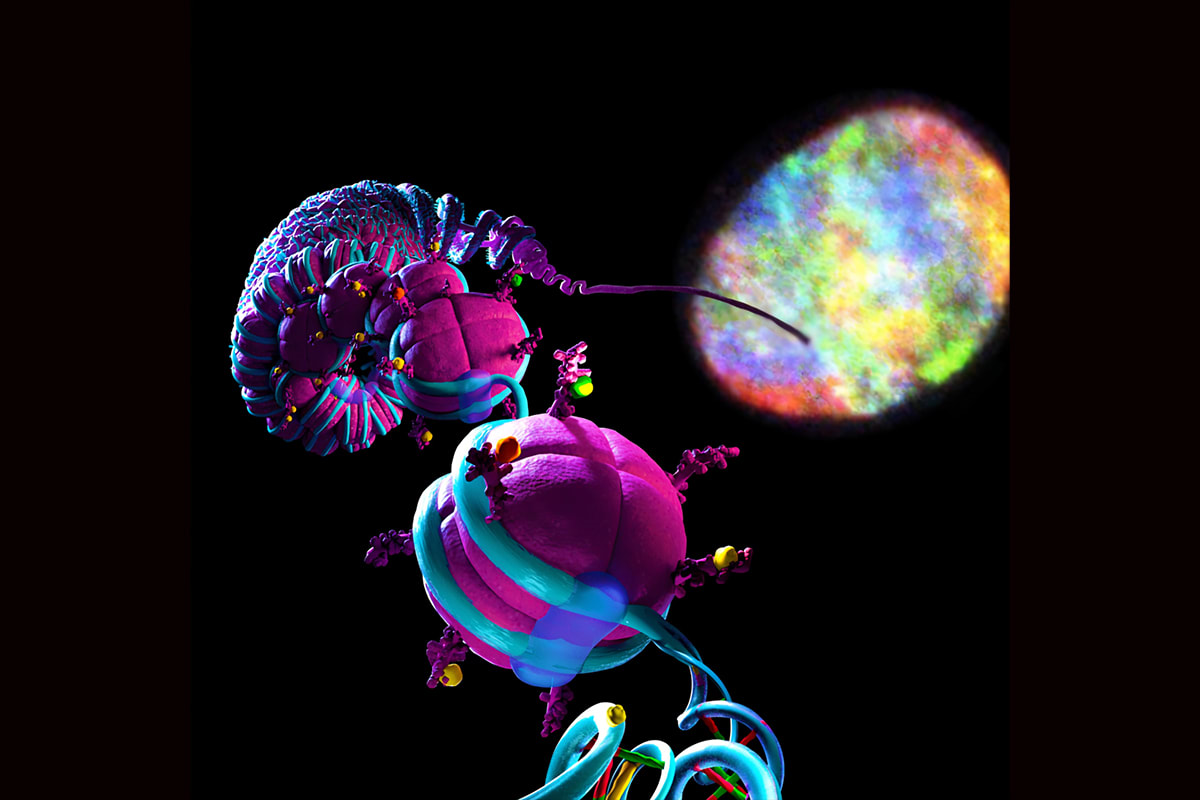
3D genomics testing offers a more detailed understanding of cancer behavior by examining DNA structure, leading to improved diagnostic accuracy.
The technology aids in distinguishing between closely related cancer subtypes, which is crucial for effective treatment planning.
Existing biopsy slides can be used for testing, enhancing accessibility and reducing the need for new biopsies, thus streamlining the diagnostic process.
Interpretation:
The integration of 3D genomics testing allows for more precise diagnoses and tailored treatment plans, potentially improving patient outcomes in complex cancers by enabling earlier intervention.
Limitations:
The study does not address the long-term outcomes of using 3D genomics testing in clinical practice.
Further validation across diverse populations and cancer types is needed to generalize findings.
Potential costs and resource implications of implementing this technology in clinical settings are not discussed.
Conclusion:
3D genomics testing represents a significant advancement in cancer diagnostics, enabling earlier and more effective treatment strategies for lymphoma and sarcoma patients.