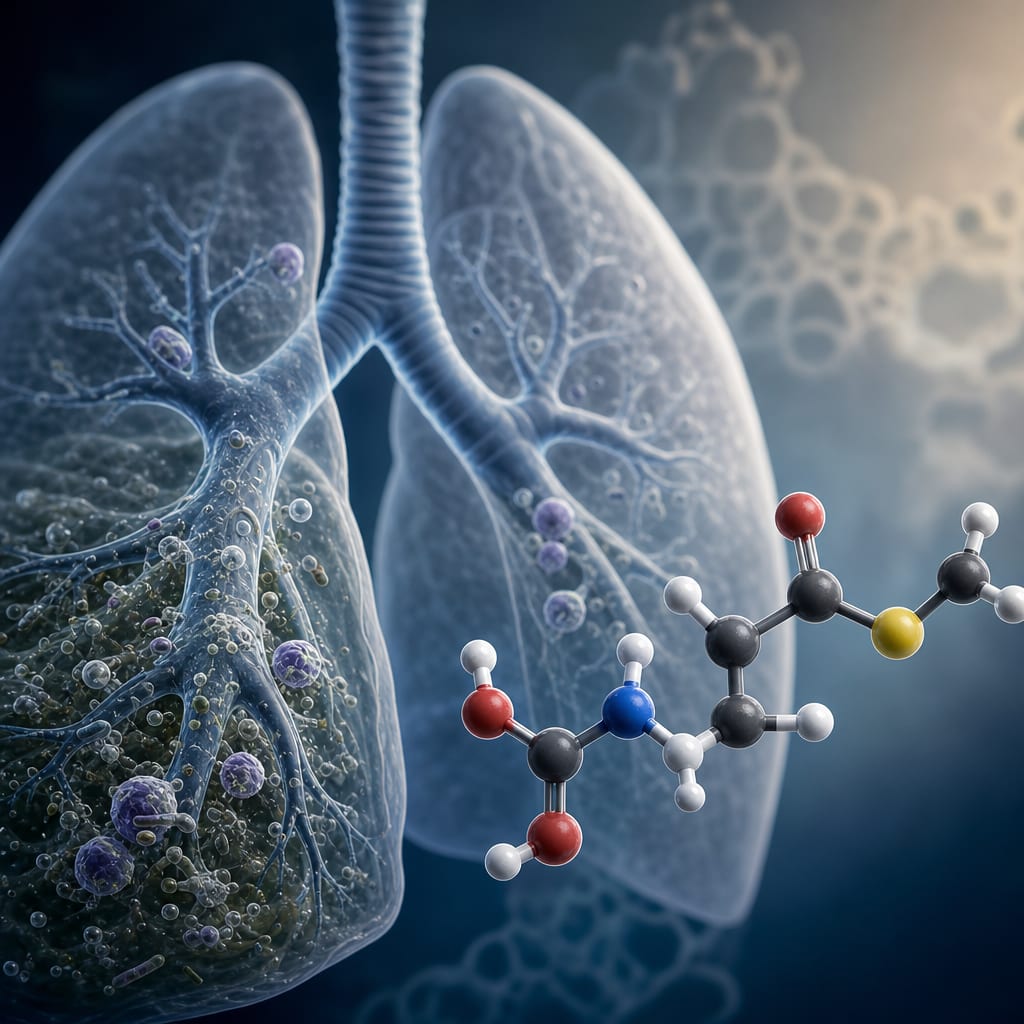
To consolidate existing evidence and clinical insights on the use of N-acetylcysteine (NAC) in treating various respiratory conditions, emphasizing both its therapeutic benefits and limitations.
Key Findings:
NAC is effective as an adjunct therapy in COPD, particularly for preventing exacerbations.
Low-dose NAC may aid recovery during acute exacerbations of COPD (AECOPD).
NAC is safe and may reduce oxidative stress in tuberculosis (TB) and anti-tubercular drug-induced liver injury (AT-DILI).
In non-cystic fibrosis bronchiectasis, NAC may reduce exacerbations in frequent exacerbators.
NAC improves lung function and mucociliary clearance in cystic fibrosis (CF).
NAC shows potential benefits in bacterial and viral infections, but evidence for interstitial lung disease (ILD) and asthma is insufficient, highlighting the need for further research.
Interpretation:
NAC's antioxidant, anti-inflammatory, immunomodulatory, and anti-biofilm properties provide significant clinical utility in chronic respiratory diseases, supporting its use beyond mucolytic effects and emphasizing the need for broader clinical application.
Limitations:
Further evidence is required to establish NAC's efficacy in asthma and ILDs.
NAC remains underutilized in clinical practice, with many clinicians unaware of its benefits and applications.
Conclusion:
NAC is a proven adjunctive therapy for COPD, bronchiectasis, and cystic fibrosis, with promising but inconclusive evidence for TB and respiratory infections, necessitating further research to fully establish its therapeutic potential.