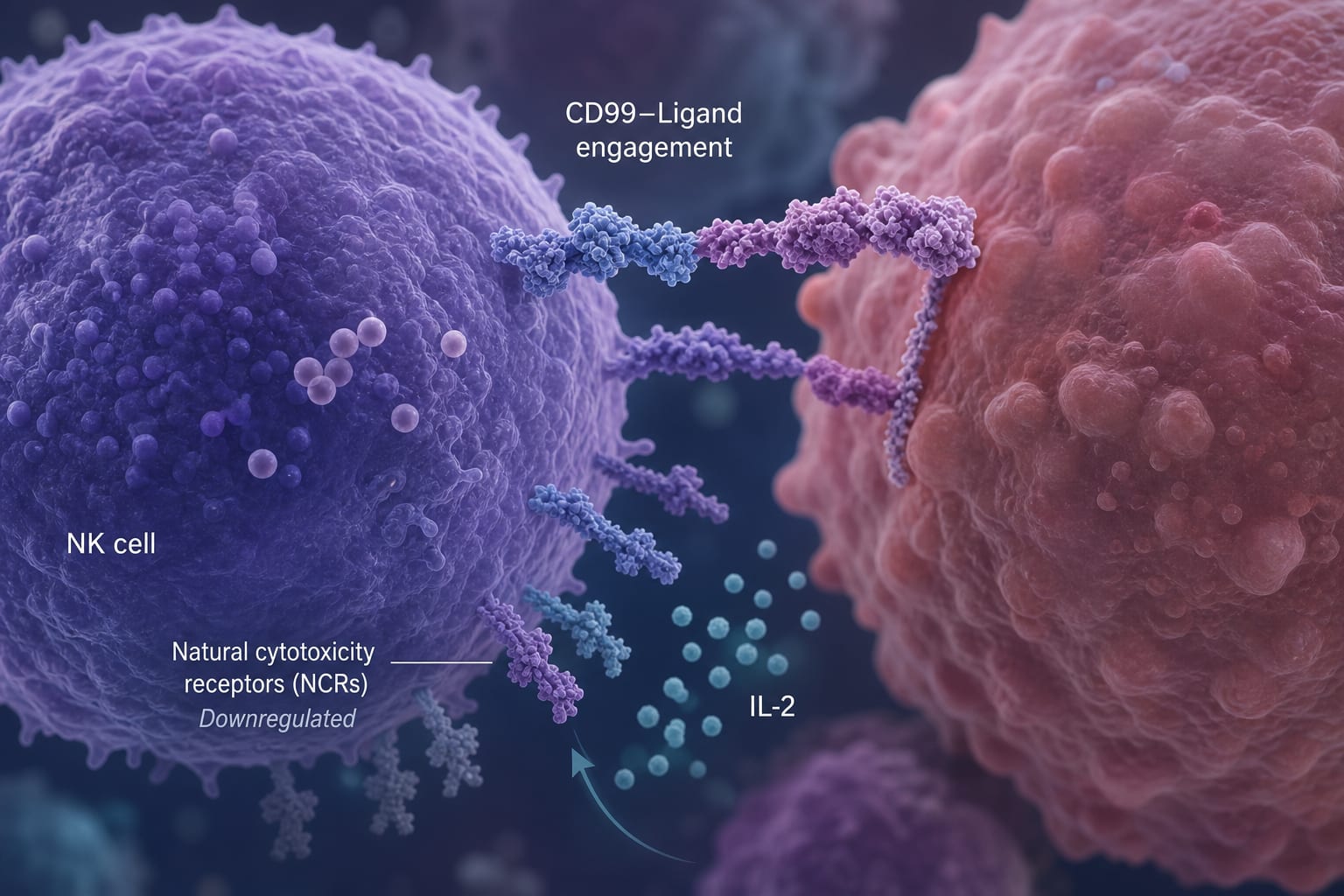
To investigate the effect of CD99 engagement on NK cells and its role in modulating specific NK cell receptor types during IL-2 activation.
Key Findings:
CD99 engagement modulates NK cell phenotypes, particularly through downregulation of natural cytotoxicity receptors (NCRs), which may impact NK cell functionality.
Differential effects were observed between PBMCs and purified NK cell cultures, indicating the influence of the immune cell environment.
No significant changes in cytokine production were observed in NK cells despite receptor modulation, suggesting a complex regulatory mechanism.
Interpretation:
CD99 and its ligand interactions contribute to the regulation of NK cell activation states and receptor dynamics in a context-dependent manner, which could inform future therapeutic strategies.
Limitations:
The study does not explore the long-term effects of CD99 engagement on NK cell functionality, which could be critical for understanding its role in immune responses.
The specific mechanisms underlying the observed receptor modulation remain to be fully elucidated.
Conclusion:
The findings suggest a previously unrecognized role of CD99 in shaping NK cell activation states and phenotypic heterogeneity.