To identify risk factors and tumor characteristics of RCC patients based on occupational categories, particularly focusing on the impact of chlorinated solvents, including specific tumor characteristics such as size and grade.
Key Findings:
1252 patients included, with 69.6% being men and a median age of 64 years.
49.9% of patients had hypertension, 27.9% were smokers, and 13.7% had occupational exposure to chlorinated solvents.
87.5% of patients had at least one RCC risk factor, and 20.4% had at least three.
78% of tumors were clear cell RCC, with 46.2% having an ISUP score > 2, indicating a significant prevalence of aggressive tumor characteristics.
Interpretation:
The study highlights the significant association between occupational exposure to chlorinated solvents and RCC, alongside other common risk factors, suggesting that targeted prevention strategies could be developed for high-risk occupational groups.
Limitations:
Limited generalizability due to the study being conducted in a specific geographic region.
Potential recall bias in self-reported occupational exposure, and confounding factors such as lifestyle choices may also influence the results.
Conclusion:
Identifying high-risk occupational groups and understanding the impact of chlorinated solvents is crucial for RCC prevention and screening efforts.
by Matthieu Ferragu, Jean-Christophe Bernhard, Alexis Fontenil, Julien Guillotreau, Frédéric Panthier, Nicolas Branger, Olivier Belas, Jean-Jacques Patard, François Audenet, Louis Surlemont, Richard Mallet, Thibaut Waeckel, Pierre Bigot
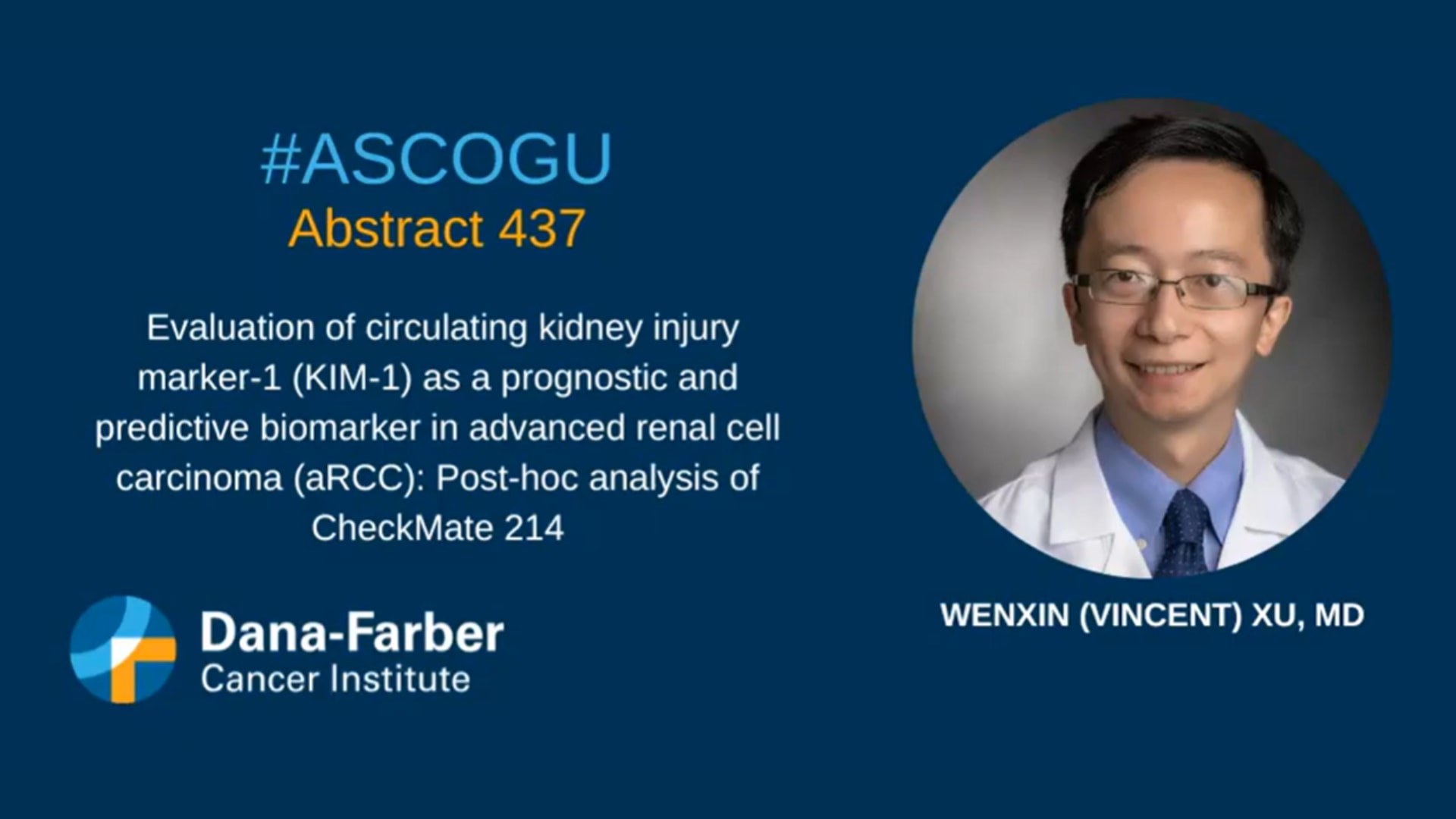
Evaluation of circulating kidney injury marker-1 (KIM-1) as a prognostic and predictive biomarker in advanced renal cell carcinoma (aRCC): Post-hoc analysis of CheckMate 214.