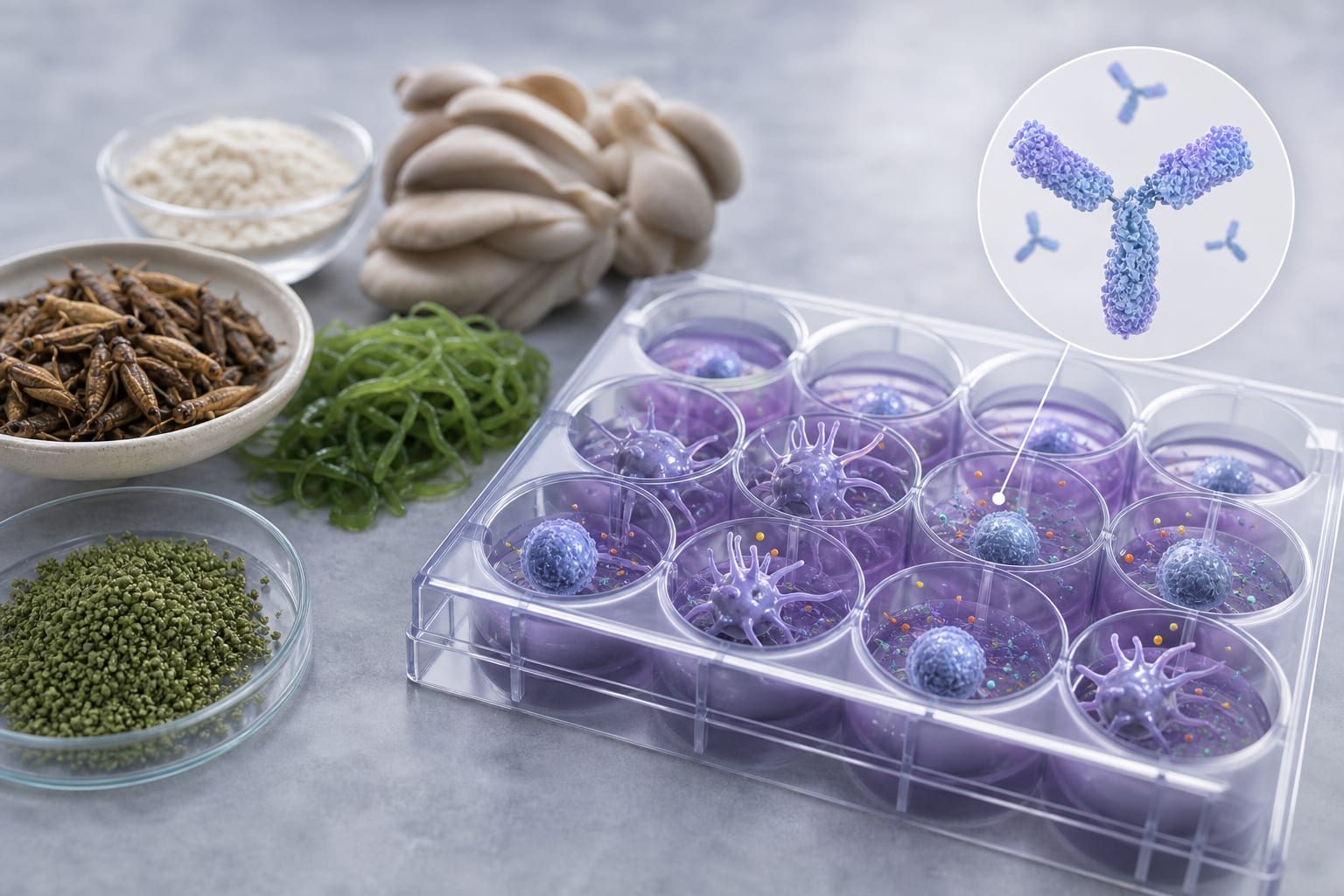
To review immune endotyping approaches that capture graded immune responses and their relevance for assessing the allergenicity of novel foods (NF).
Approach:
Key Findings:
Food allergies affect up to 10% of the global population, with increasing prevalence among children.
Current guidelines for NF allergenicity risk assessment focus on known allergens and potential IgE cross-reactivity.
De novo sensitization to NF is less understood and lacks validated predictive methods.
Immune endotyping can reveal substantial diversity in clinical reactivity profiles among food-allergic patients.
Interpretation:
The review emphasizes the need for advanced immune profiling to better assess the allergenicity of novel foods, particularly in the absence of known allergenic potential.
Limitations:
Current methods for assessing allergenicity in NF do not adequately address de novo sensitization.
There is a lack of validated predictive methods for assessing the allergenicity of novel foods.
Conclusion:
Immune endotyping approaches may enhance the understanding of food allergy mechanisms and improve safety assessments for novel foods.
Federal prosecutors allege that a Florida physician and research staff fabricated clinical trial records that were submitted into database systems used to evaluate investigational drugs.