Joint Preservation Surgery Shows Promise in Young Adults with Hip Dysplasia - Summary - MDSpire
Advertisement
Joint Preservation Surgery Shows Promise in Young Adults with Hip Dysplasia
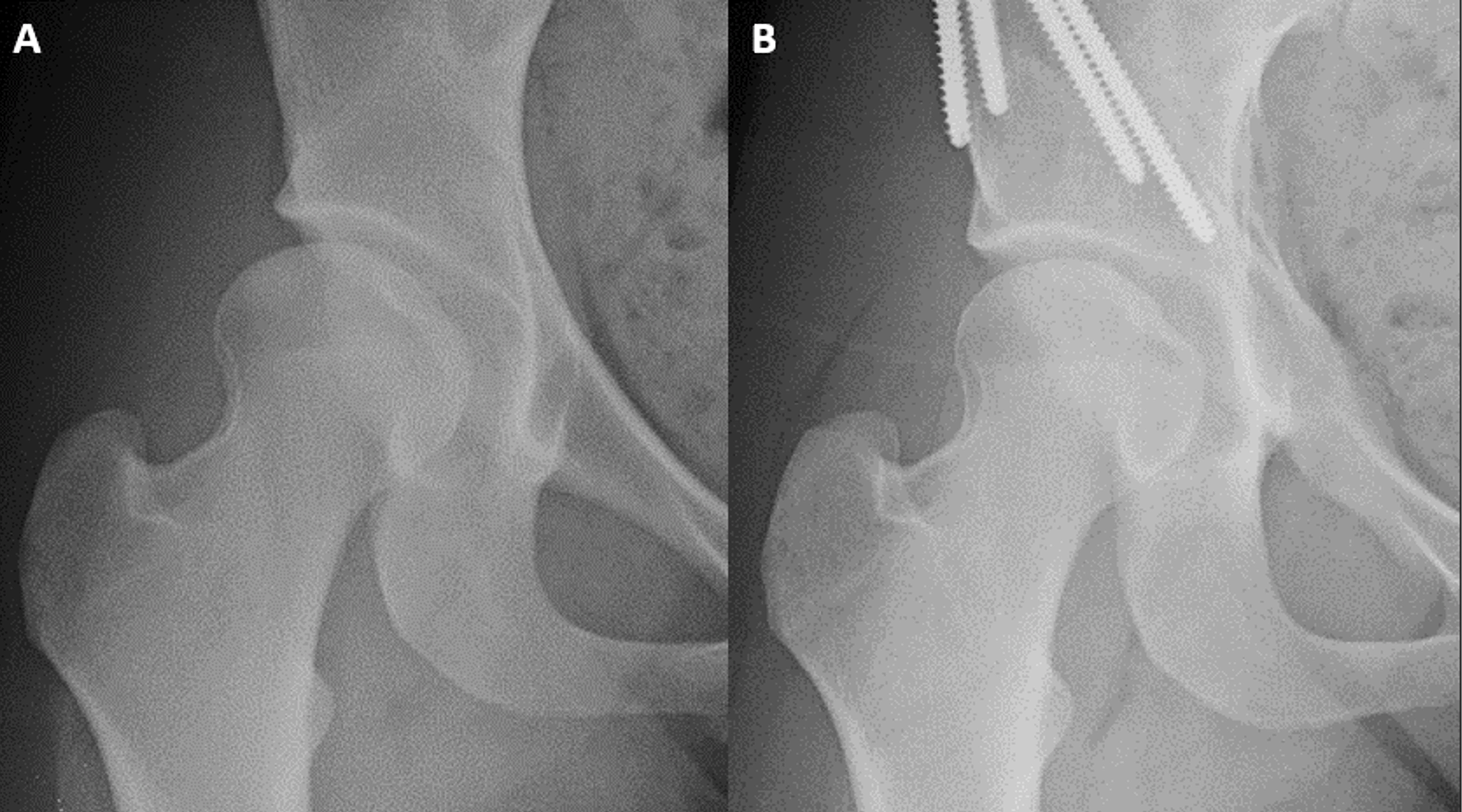
Periacetabular osteotomy (PAO) surgery corrects the deformed hip socket dysplastic to increase contact between the ball and socket, thereby reducing pain and improving stability and function.
To evaluate the effectiveness of periacetabular osteotomy (PAO) in treating hip dysplasia in young adults, particularly those with borderline acetabular dysplasia.
Key Findings:
95% hip longevity at 10 years and 92% at 15 years post-PAO, indicating long-lasting improvement.
94.9% of patients reported symptom improvement after PAO, compared to other treatments.
91.2% satisfaction rate among patients treated for borderline acetabular dysplasia.
Interpretation:
PAO is a promising intervention for young patients with hip dysplasia, potentially delaying or preventing secondary osteoarthritis, especially when performed early.
Limitations:
PAO requires specialized training and facilities, limiting accessibility.
Hip dysplasia symptoms can be misdiagnosed, delaying treatment, and potential complications of PAO should be considered.
Conclusion:
PAO can significantly improve quality of life for young adults with hip dysplasia, but further research is needed to optimize outcomes, address limitations, and broaden access.