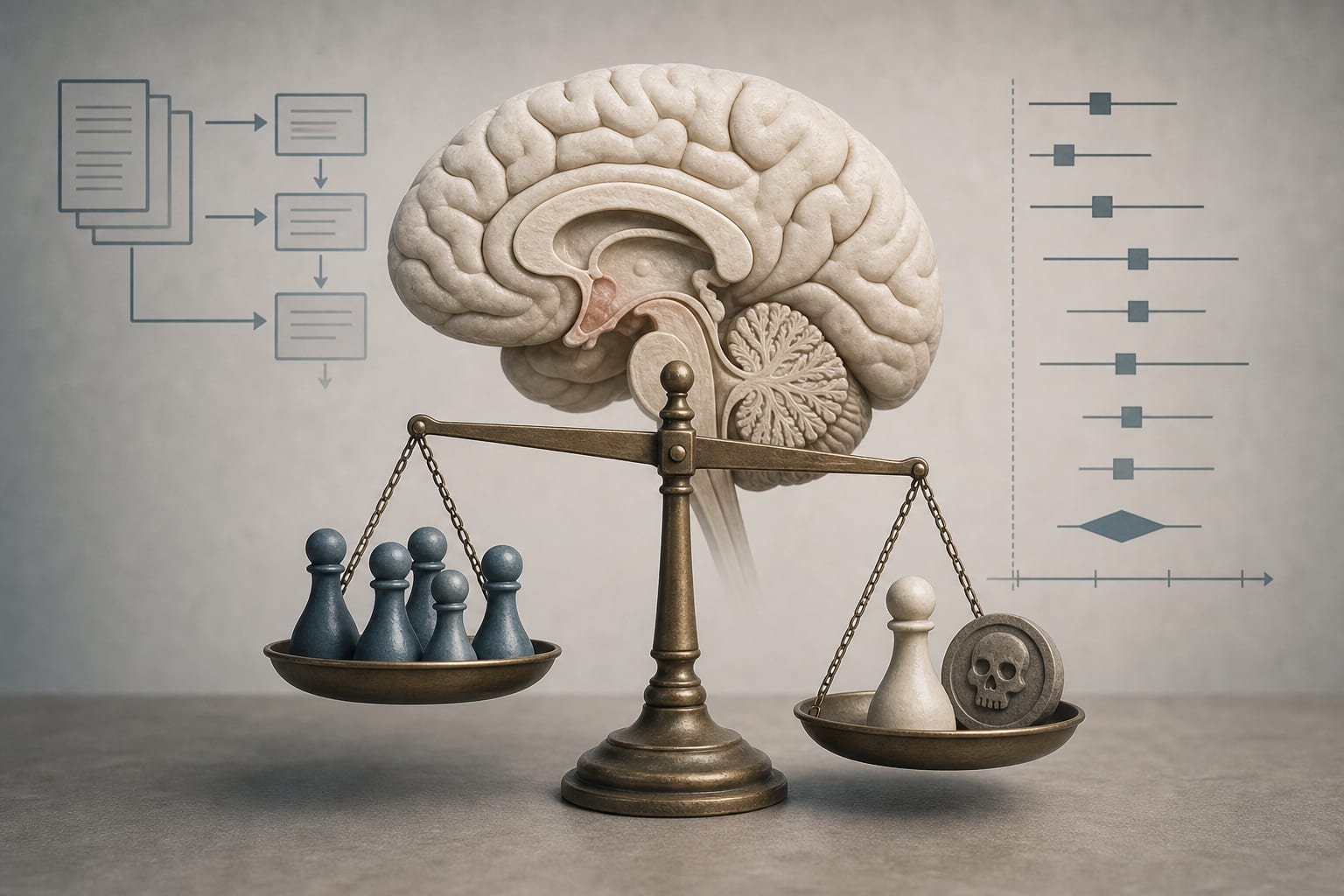
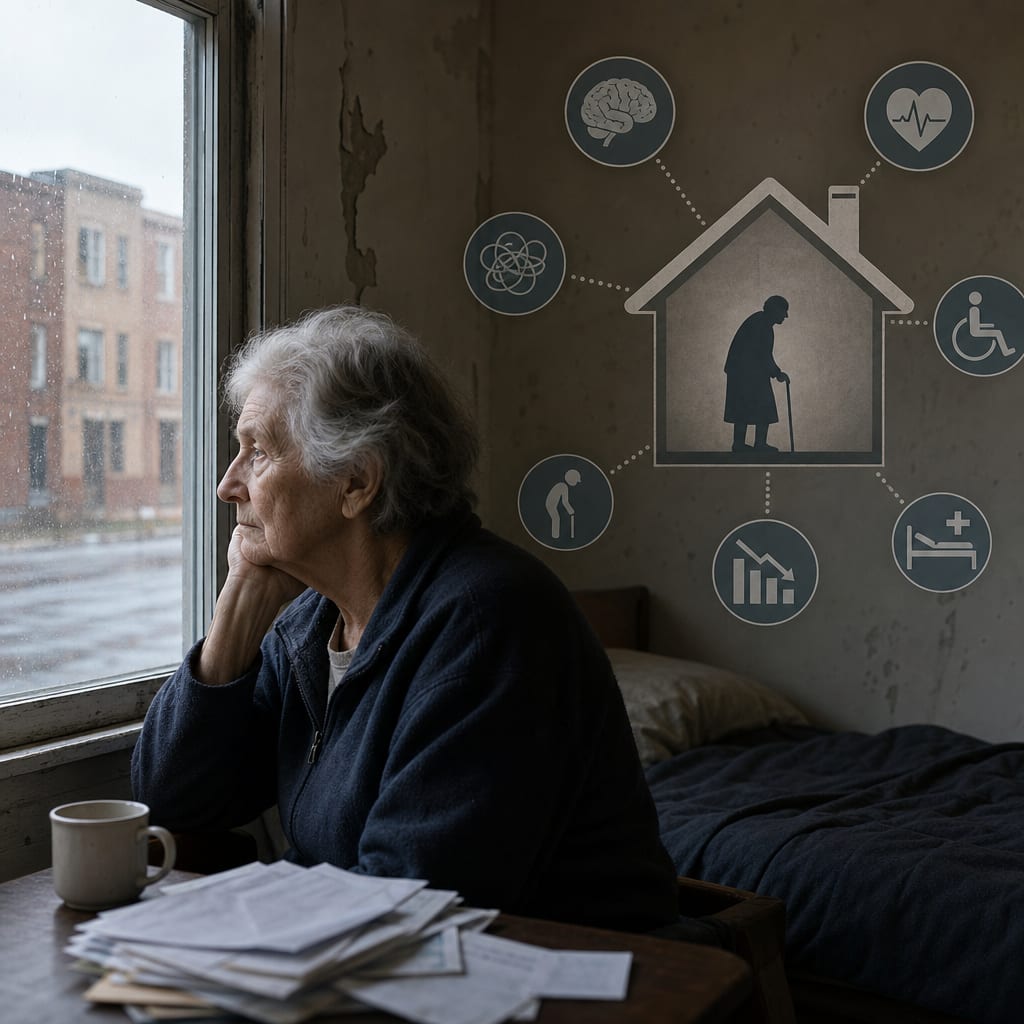
To explore community perceptions of dementia and brain health, as well as barriers to optimal brain health and dementia care in rural communities in Cameroon, highlighting the significance of addressing these challenges.
Key Findings:
Low public awareness of dementia and brain health, leading to misconceptions and stigma, which adversely affects health-seeking behaviors.
Healthcare workers often lack training, resulting in underdiagnosis or misdiagnosis of dementia, impacting patient outcomes.
Cultural beliefs and reliance on traditional medicine significantly influence health-seeking behaviors, complicating access to care.
Interpretation:
The findings highlight the critical need for culturally sensitive education and training to improve dementia care and reduce stigma in rural Cameroon, suggesting specific strategies for implementation.
Limitations:
Limited generalizability due to the qualitative nature of the study, which may affect the applicability of findings to broader contexts.
Potential bias in participant selection through purposive sampling, which may not fully represent the community's views.
Conclusion:
Understanding community perceptions and barriers is essential for developing effective strategies to enhance brain health and dementia care in rural settings, with a call for actionable next steps.