Translation, cross-cultural adaptation and preliminary application of the premature infant oral motor intervention in Chinese neonatal nursing practice: a pilot randomized controlled trial - Summary - MDSpire
Advertisement
Translation, cross-cultural adaptation and preliminary application of the premature infant oral motor intervention in Chinese neonatal nursing practice: a pilot randomized controlled trial
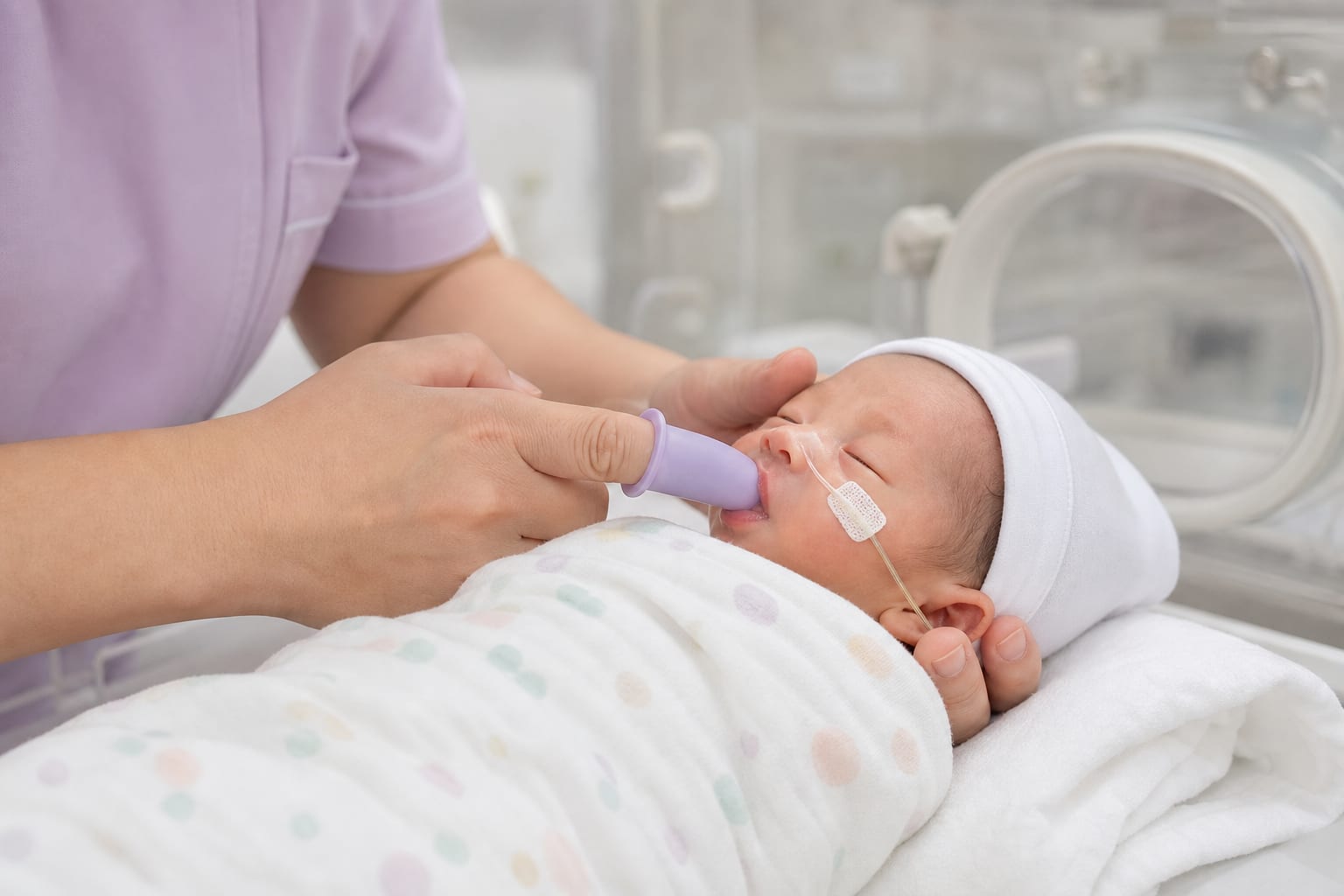
To translate, culturally adapt, and preliminarily validate the PIOMI for neonatal nurses in mainland China, emphasizing its significance for improving neonatal care, and to pilot-test its clinical feasibility and preliminary efficacy on oral sucking performance in very-preterm infants.
Key Findings:
Delphi response rate was 85.71% with I-CVI ranging from 0.88 to 1.00 and S-CVI/Ave at 0.96, indicating strong expert consensus.
Implementation consistency among 117 NICU nurses showed a Pearson correlation coefficient of 0.68 (p < 0.001), suggesting reliable application of the intervention.
In the pilot RCT (n = 76), the intervention group had a higher proportion of preterm infants with normal sucking patterns (50.0%) compared to the control group (21.1%) (p = 0.008), highlighting the intervention's potential effectiveness.
Interpretation:
The Chinese PIOMI demonstrates satisfactory content validity and acceptable implementation consistency, indicating feasibility for bedside nurses and potential to improve care for preterm infants.
Limitations:
The study is a pilot trial with a small sample size, which may limit the generalizability of the findings.
Further multicenter trials are needed to confirm the findings and address potential biases.
Conclusion:
Preliminary evidence suggests improved oral sucking performance in very preterm infants with the CMV-PIOMI, warranting larger trials for validation to confirm these promising initial results.