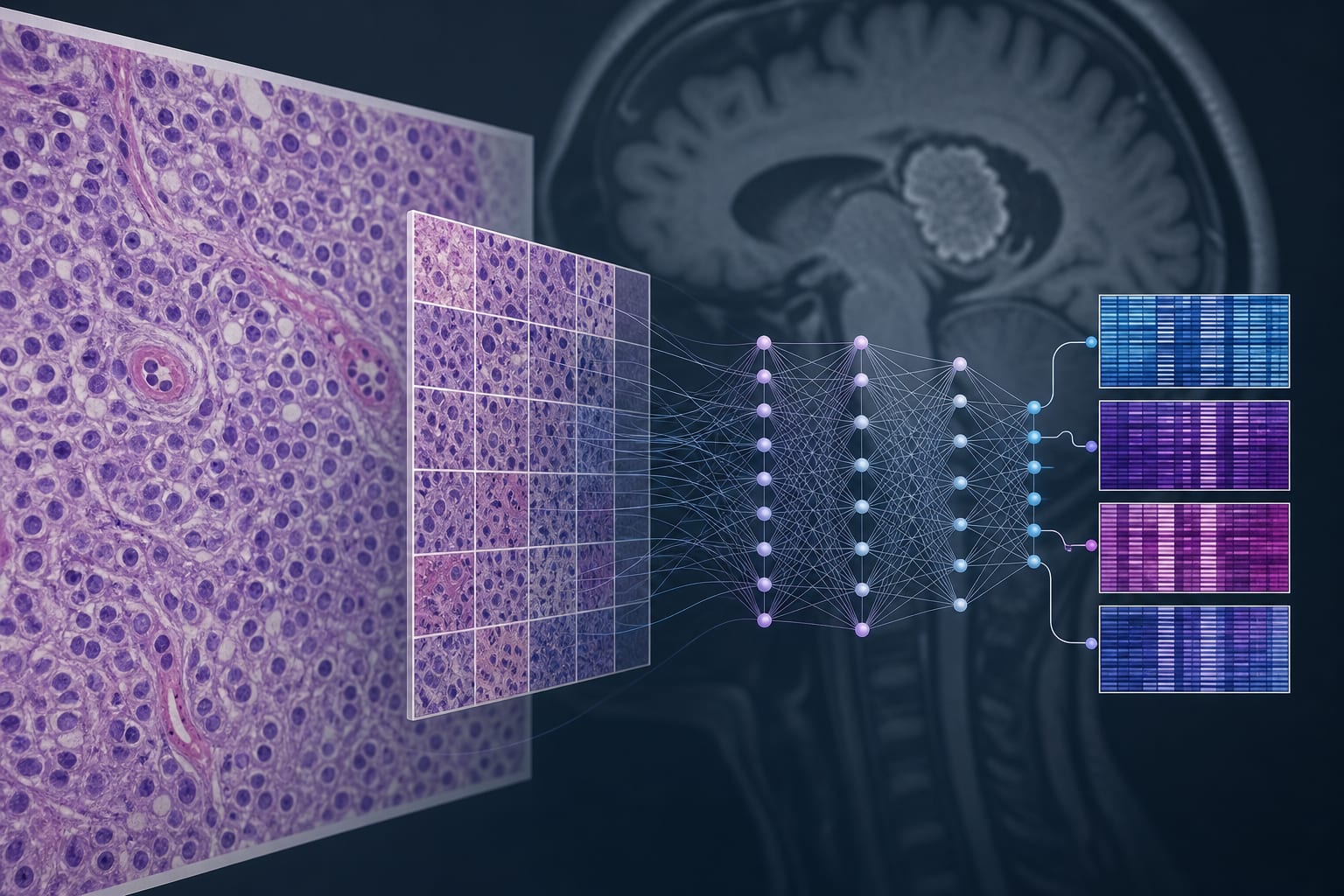
To explore the evolving analytical strategies required for peptide therapeutics, particularly in the context of GLP-1 drugs, without implying conclusions.
Approach:
Key Findings:
Peptide therapeutics require more than just pass/fail metrics; deep structural characterization is essential, as stated in the source.
Conventional small-molecule workflows are inadequate for peptide analysis due to the complexity of microheterogeneity, as noted in the source.
GLP-1 analogs illustrate the limitations of relying solely on purity percentages for understanding molecular integrity, as discussed in the source.
Advanced analytical techniques are necessary to detect and characterize impurities that can significantly impact biological activity, as highlighted in the source.
Interpretation:
Limitations:
The article does not provide specific case studies or empirical data to support the claims, as noted in the source.
It lacks detailed information on the regulatory implications of the discussed analytical methods, as mentioned in the source.
Conclusion:
The analytical landscape for peptide therapeutics is shifting towards a more nuanced understanding of structural integrity and microheterogeneity, as indicated in the source.