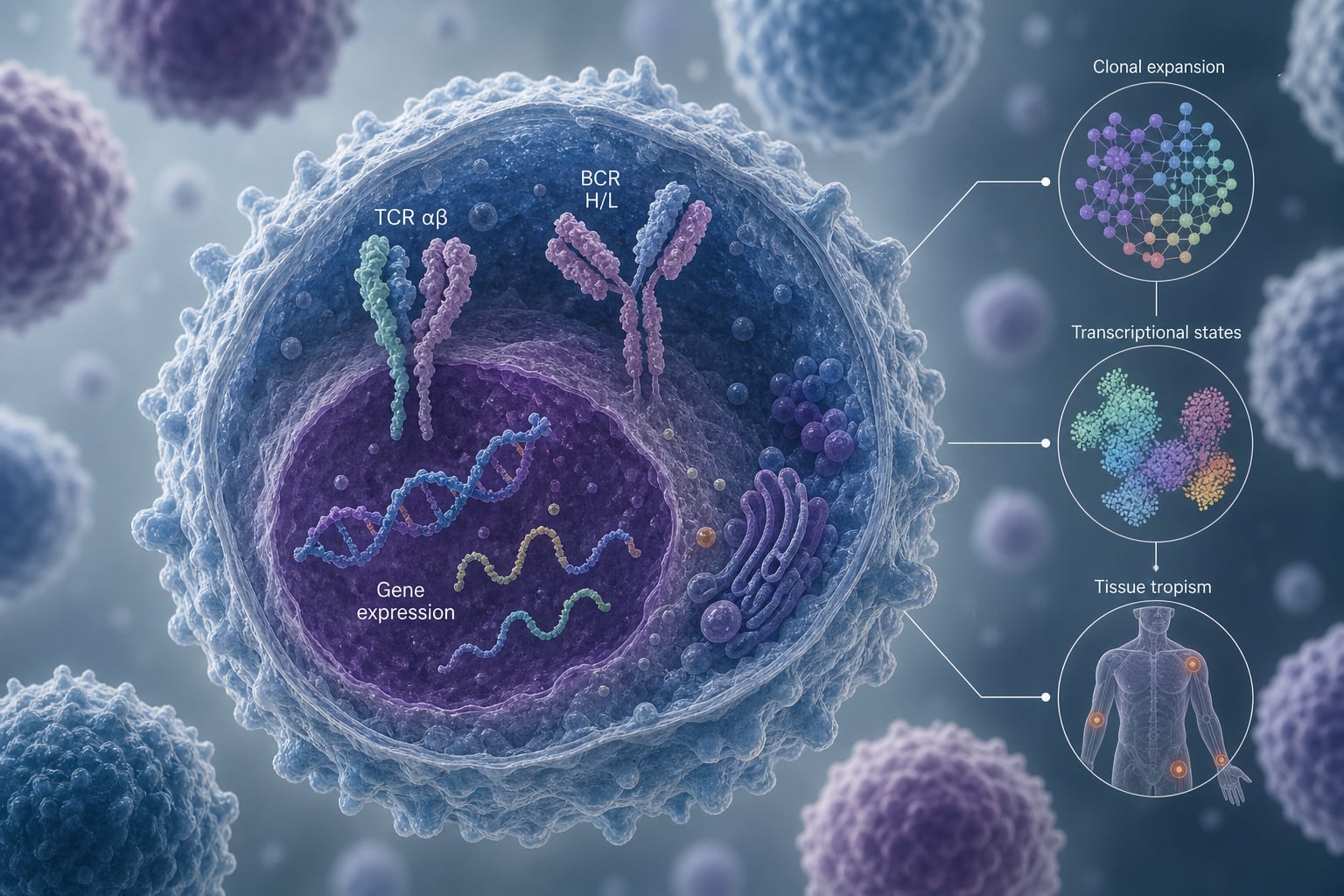
To synthesize single-cell T- and B-cell receptor sequencing (scTCR/BCR-seq) methodologies and discuss their implications for understanding autoimmune diseases and developing targeted therapies, highlighting their significance in current research.
Approach:
Key Findings:
scTCR/BCR-seq allows for the identification of pathogenic clones and their functional states at single-cell resolution, which can directly inform clinical decision-making.
The methodology reveals clonal dynamics that can inform prognosis and predict responses to therapies, enhancing personalized treatment approaches.
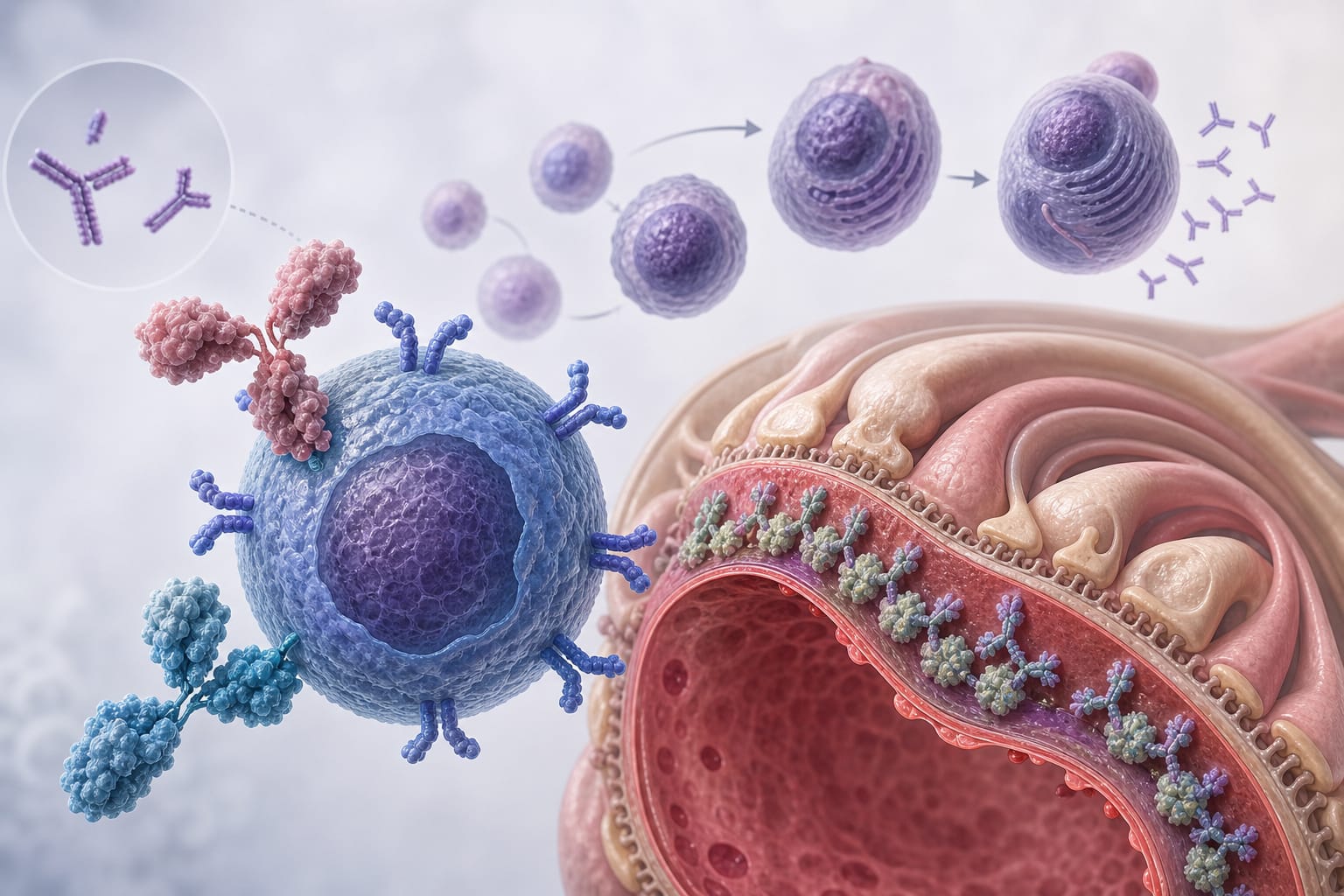
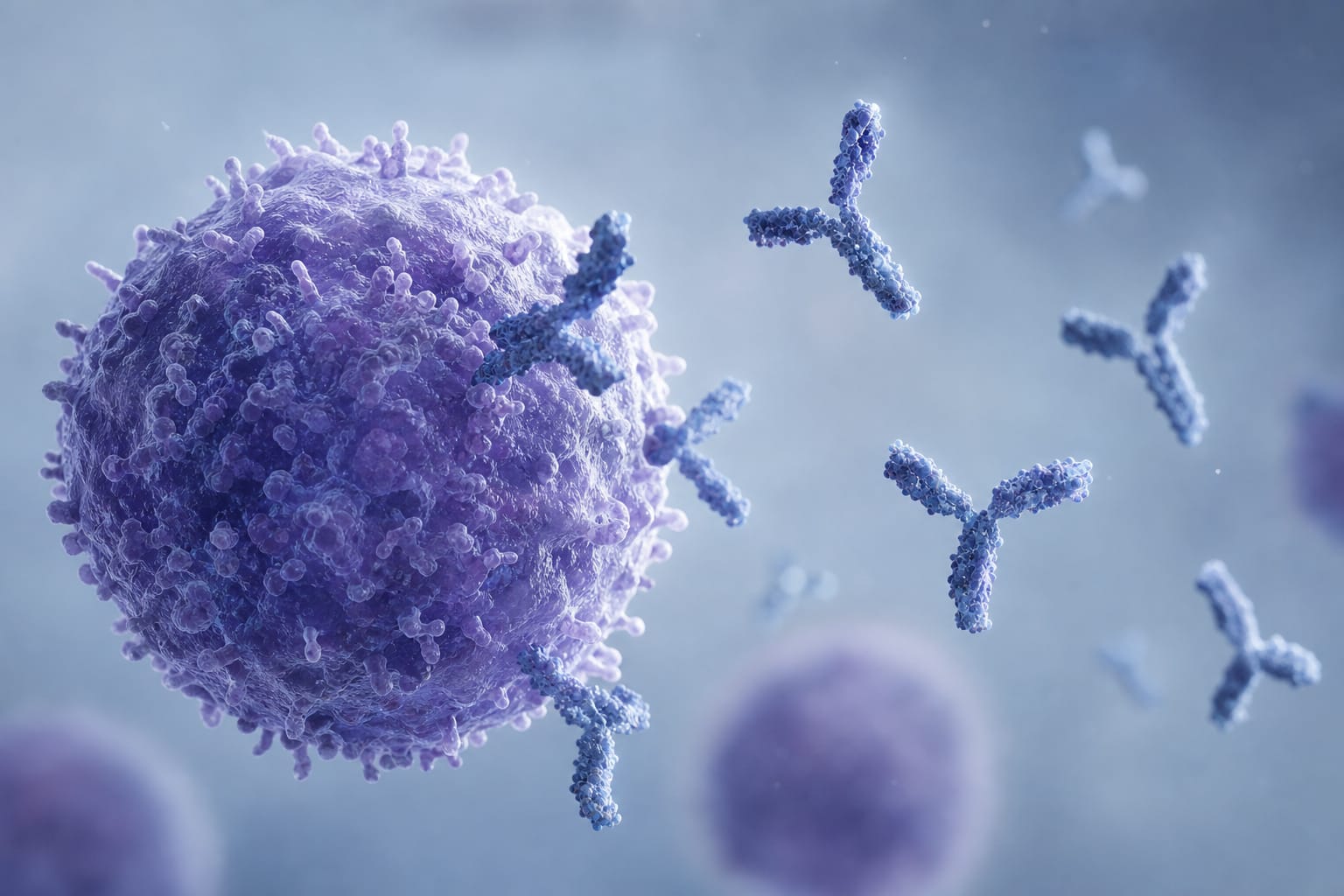
Reconstructing autoantibodies from BCR clones and mapping epitopes through TCR analysis supports antigen-specific tolerance strategies, paving the way for innovative therapies.
Interpretation:
The advancements in scTCR/BCR-seq provide a framework for precision subtyping and biomarker development in autoimmune diseases, potentially leading to novel immunotherapies that are tailored to individual patient profiles.
Limitations:
Therapeutic strategies targeting T or B cells may show variable efficacy due to inter-individual heterogeneity, as seen in differing responses to standard treatments.
Current therapies often lack specificity and can incur substantial side effects, highlighting the need for more targeted approaches.
Conclusion:
The review highlights the potential of scTCR/BCR-seq in advancing autoimmune research and developing targeted therapies, with implications for improving patient outcomes across various autoimmune conditions.