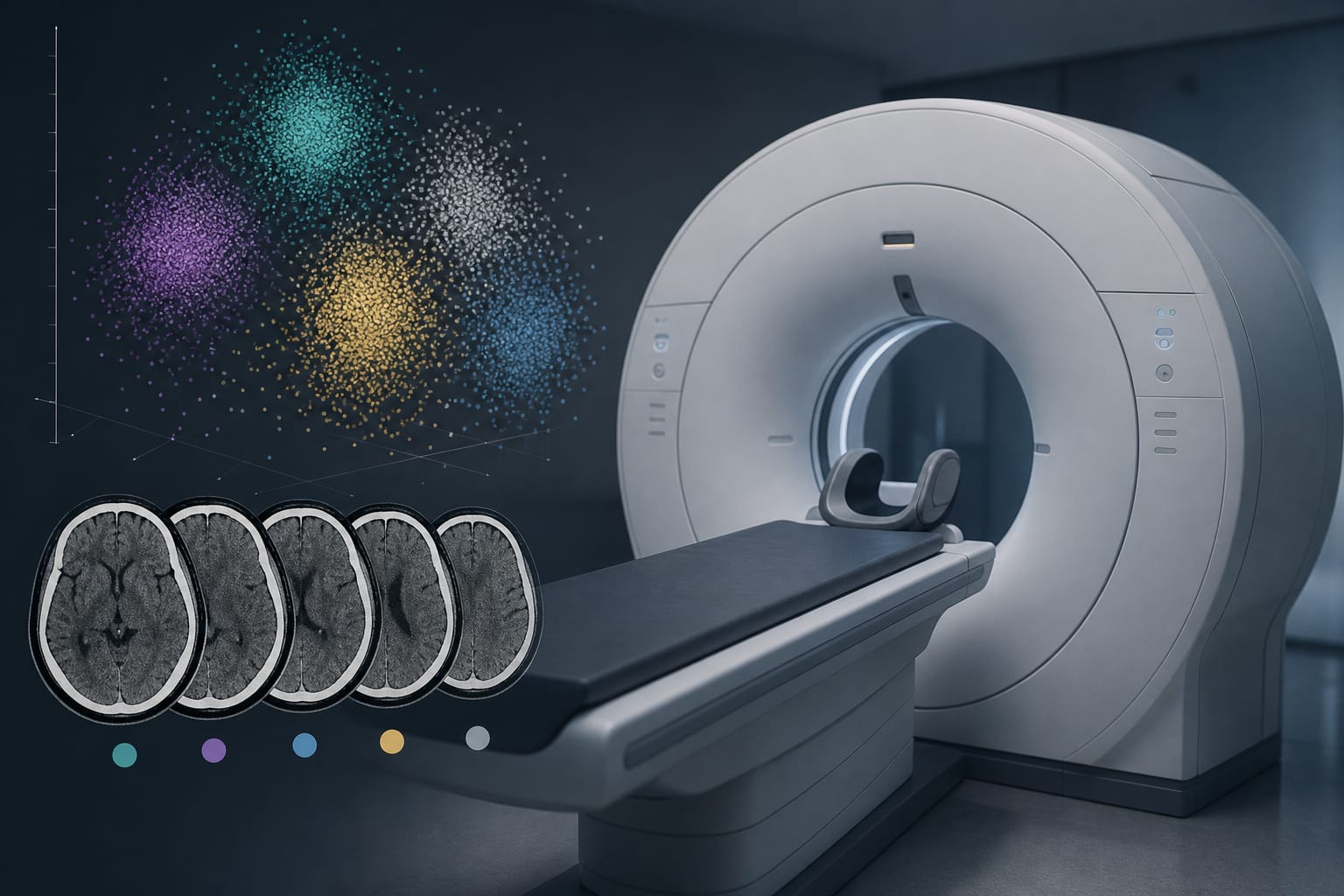
To evaluate routine head CT examinations using a crowdsourcing approach and k-means clustering to identify acquisition techniques associated with higher versus lower radiation output.
Approach:
Data Collection: Diagnostic head CT examinations were recorded in the UCSF International CT Dose Registry from January 1, 2015, through March 11, 2021, across 131 medical facilities in seven countries.
Exclusion Criteria: CT examinations for biopsy, surgery, or radiation treatment, as well as those lacking data, were excluded from the analysis.
Statistical Analysis: K-means clustering was applied to group scans based on acquisition parameters, with analyses stratified by scan type and patient age group.
Key Findings:
Substantial variation in CT radiation exposure exists, primarily due to differences in parameter selection within CT protocols.
The analysis aimed to identify lower-dose protocols used in routine clinical practice.
Interpretation:
The study highlights the importance of addressing variability in CT acquisition methods to mitigate unnecessary radiation exposure.
Limitations:
The study excluded certain types of CT examinations, which may limit the generalizability of the findings regarding routine clinical practice.
Data were collected from a specific registry, which may not represent all clinical settings and could affect the applicability of the results.
Conclusion:
Standardizing CT acquisition methods could help reduce radiation exposure while maintaining image quality. ---