High-resolution mapping of chromatin conformation in HBeAg-treated macrophage provides insights into pathogenesis of HBV-related liver diseases - Summary - MDSpire
To investigate the 3D genomic and epigenetic mechanisms driving macrophage dysfunction induced by HBeAg.
Approach:
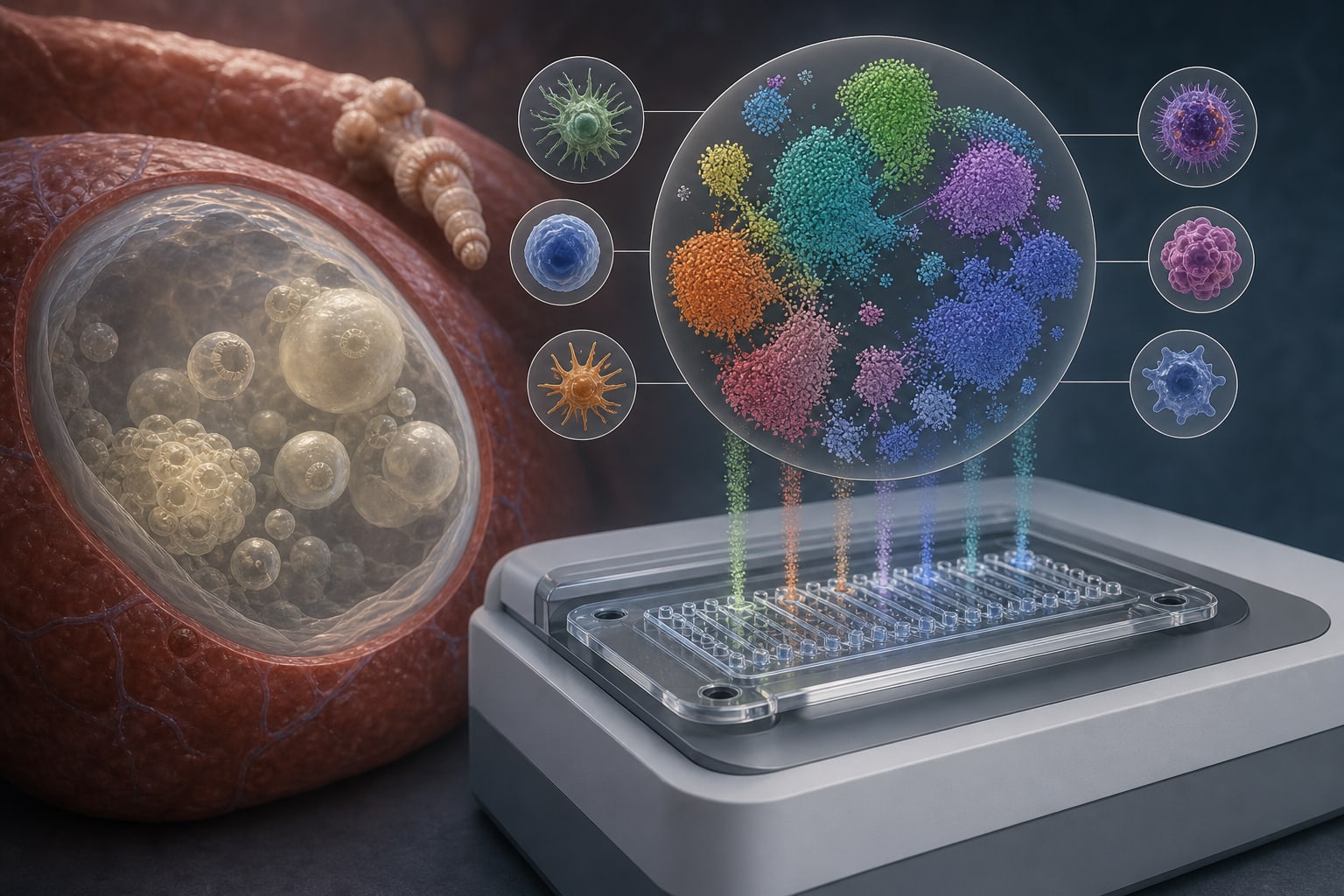
Integration of Techniques: Utilized RNA-sequencing (RNA-seq), high-throughput chromosome conformation capture (Hi-C), and chromatin immunoprecipitation-sequencing (ChIP-seq) to analyze control and HBeAg-stimulated macrophages.
Cross-Validation: Key findings were validated using human HBV-infected datasets.
Key Findings:
HBeAg activated pro-inflammatory transcriptional programs, particularly the TNF signaling pathway, and upregulated functional genes such as MET and FHOD3.
Hi-C analysis showed significant global 3D chromatin reorganization, including B-to-A compartment switching and enhancer accumulation, which exposed new regulatory elements affecting gene expression.
Restructuring of topologically associating domains (TADs) revealed new regulatory elements affecting gene expression, including the upregulation of FLNB and SESN2.
Specific intrachromosomal loop disruptions led to downregulation of certain genes, including KBTBD11 and BLVRB.
Interpretation:
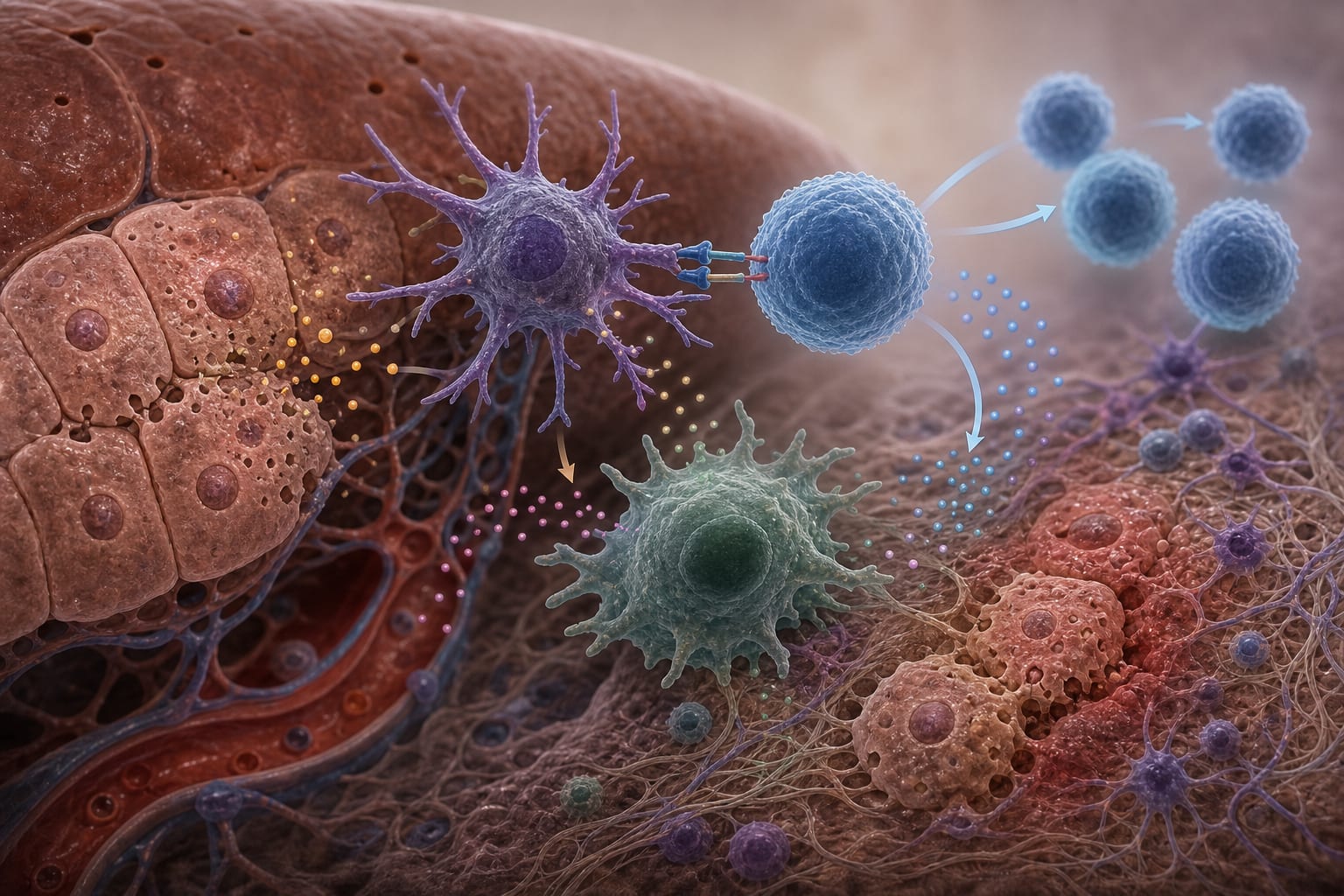
HBeAg induces a coordinated restructuring of the 3D genome and targeted epigenetic reprogramming, contributing to macrophage dysfunction through mechanisms involving H3K27ac enhancer deposition and alterations in structural boundaries.
Limitations:
The study primarily used murine macrophage models, which may not fully replicate human responses, limiting the generalizability of the findings.
Further research is needed to explore the clinical implications of identified structural variants and their relevance in human HBV infection.
Conclusion:
The findings provide novel mechanistic insights into HBV-related liver diseases, highlighting potential therapeutic targets such as MET, FLNB, and BLVRB.