To summarize and compare predictive models for post-stroke epilepsy (PSE) across stroke subtypes.
Approach:
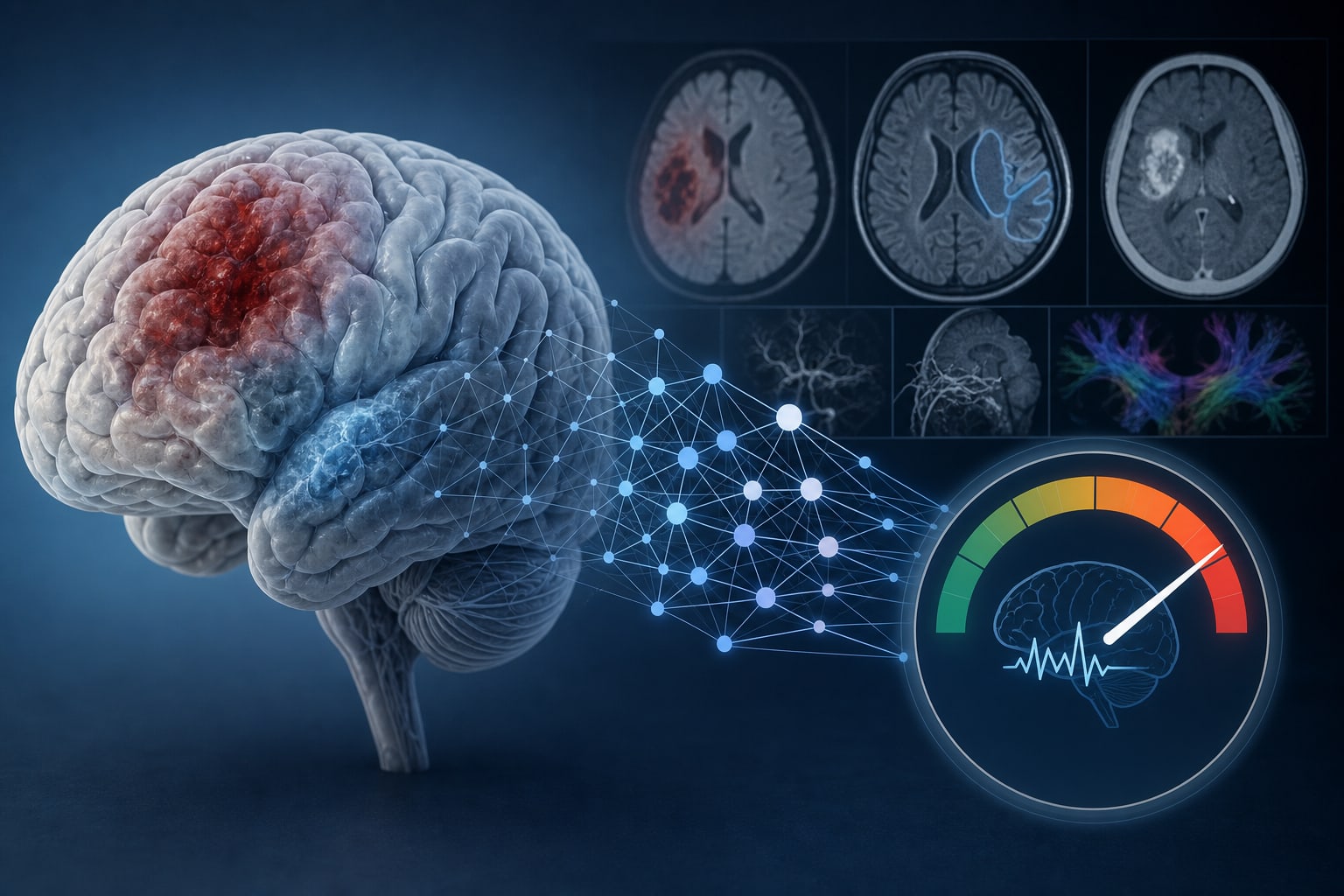
Predictive Models Overview: The review discusses various predictive models developed for PSE in ischemic and hemorrhagic strokes, including CAVE, CAVS, CAV+, CAVE2 for HS, and SeLECT and PSEiCARe for IS, emphasizing their clinical relevance.
Key Findings:
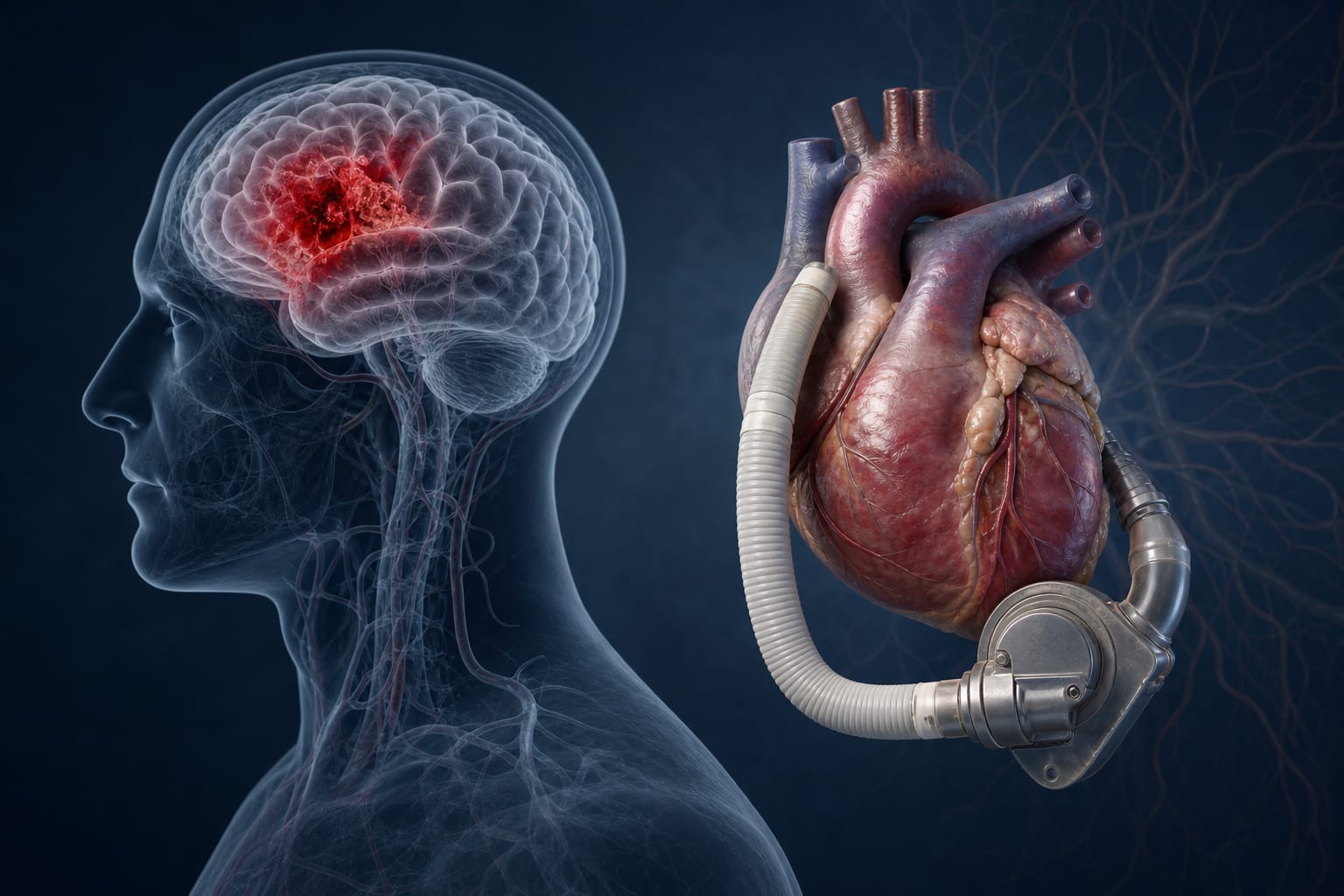
PSE affects 2-14% of ischemic stroke survivors and 10-20% following hemorrhagic stroke.
Predictive models emphasize different risk factors based on stroke subtype, such as lesion characteristics and early seizure occurrence.
Machine learning models show promise in enhancing predictive accuracy but require further validation.
Interpretation:
Integration of multimodal data may enhance seizure prediction and guide personalized intervention strategies.
Limitations:
Most predictive models are developed for single stroke subtypes and lack cross-subtype generalizability.
Limited external validation and integration into routine clinical workflows for machine learning approaches.
Conclusion:
The review emphasizes the need for early identification and prevention strategies for PSE to improve patient outcomes.
Baptist Health will bring together leading physicians, researchers and healthcare professionals from South Florida and across the country for the 14th Annual Baptist Health Miami Neuroscience Symposium, taking place Nov. 4-6, 2026, at Hilton Miami Dadeland and virtually via Zoom.