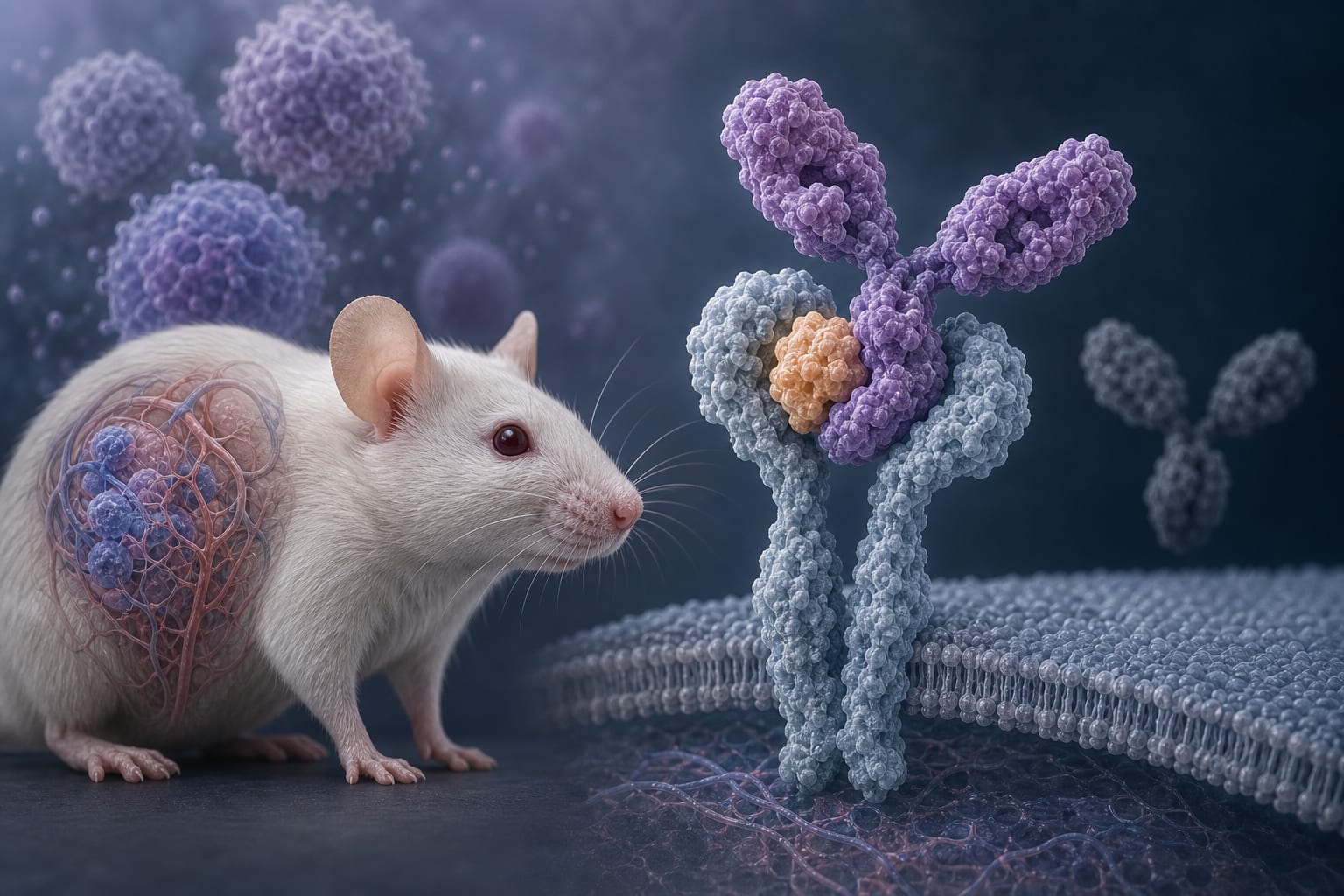
To assess the therapeutic efficacy of neutralizing monoclonal antibodies targeting a prominent proinflammatory cytokine in a PBMC transfer-induced humanized mouse model of systemic inflammation.
Key Findings:
Cytokine responses in the humanized mouse model were predominantly of human origin.
Elevated levels of human IL-6 were observed in both SSc patients and their corresponding mouse models.
Preventive administration of Tocilizumab reduced anti-nuclear antibody production and mitigated disease severity.
Siltuximab did not prevent disease development and its lack of efficacy was linked to the accumulation of immune complexes.
Interpretation:
The findings highlight the pivotal role of IL-6 signaling in systemic inflammation related to SSc and demonstrate the therapeutic potential of IL-6 receptor blockade.
Limitations:
The study was conducted in a specific humanized mouse model which may not fully replicate human disease.
The sample size for patient recruitment was limited.
Conclusion:
The PBMCs-based humanized mouse model serves as a valuable preclinical platform for evaluating human-specific therapeutic interventions in systemic inflammation.
Teriparatide followed by zoledronic acid increased bone mineral density but did not reduce fracture risk compared with standard care in adults with osteogenesis imperfecta.