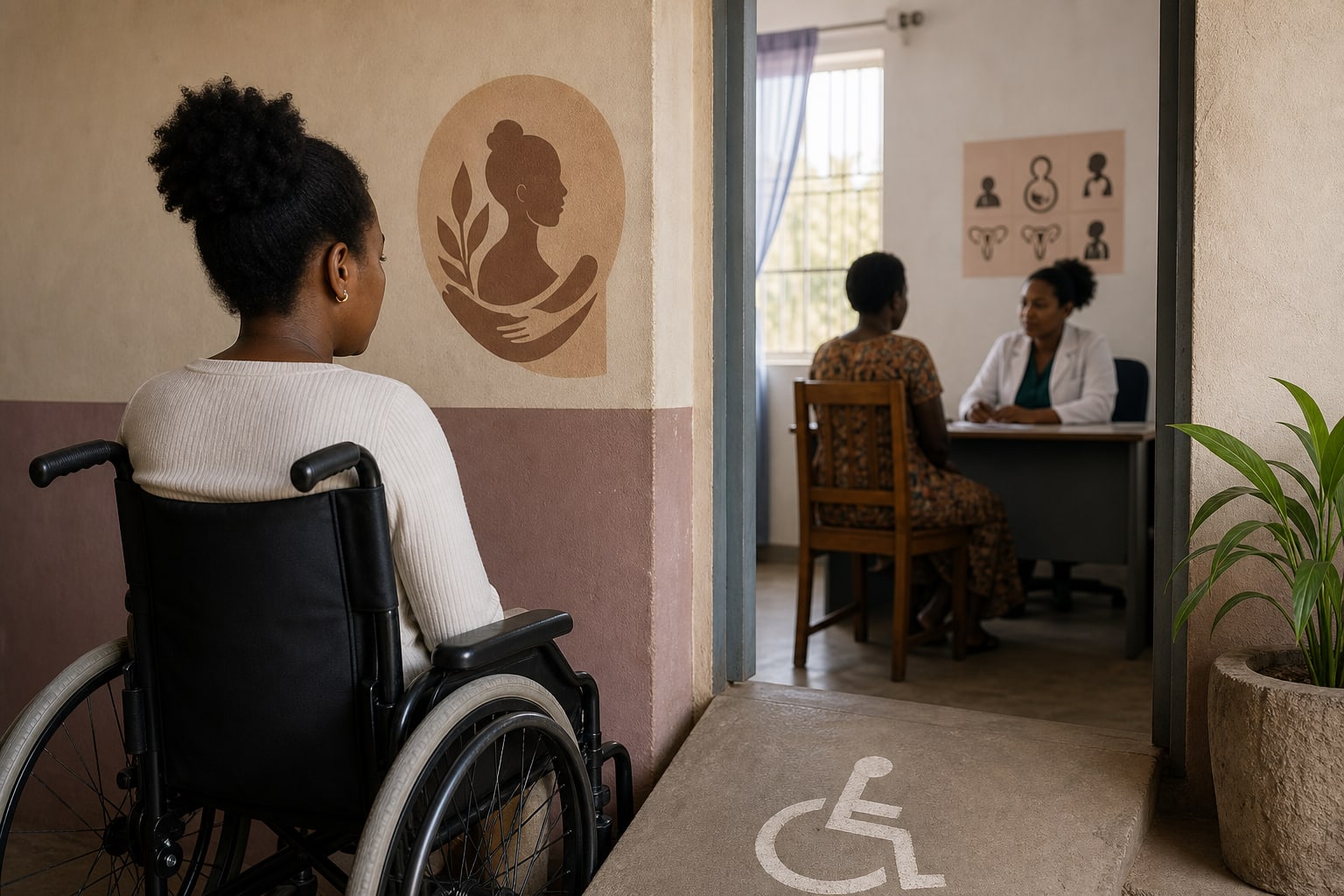
To explore the barriers and facilitators impacting access to sexual and reproductive health services for women with intellectual disabilities in Gondar, Ethiopia.
Approach:
Study Design: Qualitative descriptive approach using semi-structured interviews with 17 women with intellectual disabilities aged 15-49.
Data Analysis: Thematic analysis using both inductive and deductive approaches in NVivo 14.
Key Findings:
Six themes identified: sexual and reproductive health education, contraception, prevention of sexual abuse, prevention of sexually transmitted infections, pregnancy and parenthood, and community-based rehabilitation roles.
Barriers include stigma, discrimination, lack of resources, and limited awareness affecting access to services.
Interpretation:
Findings reflect the structural and sociocultural factors impacting access to sexual and reproductive health services for women with intellectual disabilities.
Limitations:
Study limited to a specific geographic area (Gondar, Ethiopia).
Sample size may not represent all women with intellectual disabilities.
Conclusion:
The study's findings provide insights into the barriers and facilitators affecting access to sexual and reproductive health services for women with intellectual disabilities.
Three amino acid metabolism genes showed diagnostic signal in testicular tissue, though small sample sizes and computational methods limit clinical translation.