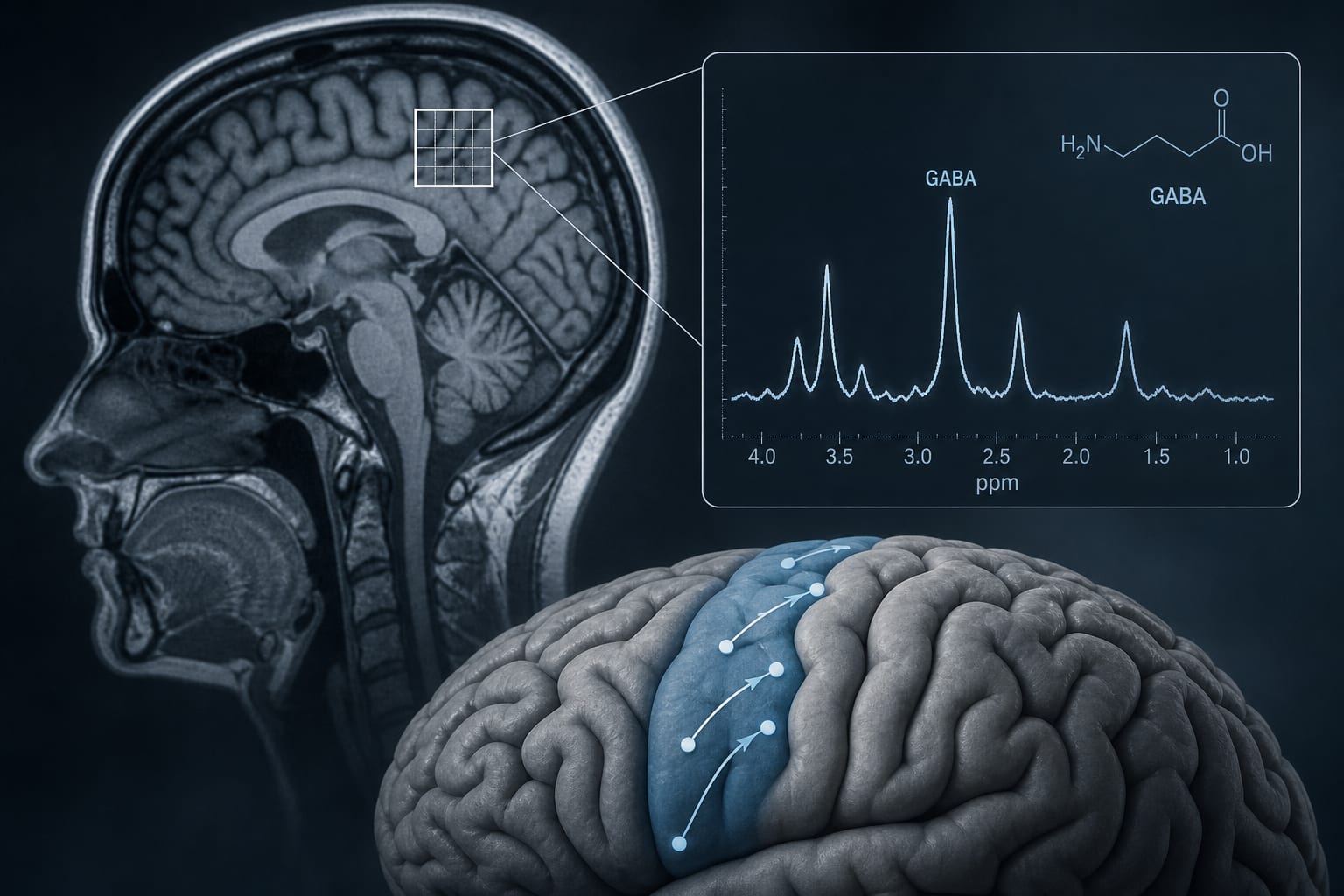
To describe the evolution patterns of cerebral hemodynamics in acute brain injury (ABI) patients.
Approach:
Data Sources: ABI patients with intracranial pressure (ICP), invasive arterial blood pressure, and heart rate (HR) records were identified from MIMIC-IV, eICU-CRD, and Longquan Hospital.
Modeling Techniques: Group-based multivariate trajectory (GBMT) modeling was used to identify clusters of participants with similar cerebral hemodynamics evolution patterns.
Statistical Analysis: Multivariate logistic regression analyzed the association between GBMT clusters and outcomes, with feature selection via random forest and SHAP values.
Key Findings:
Five clusters with distinct cerebral hemodynamics evolution patterns were identified.
Cluster 5 was associated with unfavorable outcomes compared to Cluster 1.
Sensitivity analysis showed consistent effect size and direction across different subgroups.
Interpretation:
The study identified a unique cerebral hemodynamics evolution pattern in ABI associated with unfavorable outcomes.
Limitations:
The study relies on retrospective data from databases, which may limit generalizability.
Potential confounding factors not accounted for in the analysis.
Conclusion:
Longitudinal analysis of cerebral hemodynamics in ABI patients may enhance understanding of patient outcomes.