Revealing the pathogenesis of autoimmune hepatitis and research progress in drug discovery from hepatic immune cells and intercellular communication signaling mechanisms - Summary - MDSpire
Conexiant’s news site is now MDSpire News. Learn more
Advertisement
Understanding the Mechanisms Behind Autoimmune Hepatitis Pathogenesis and Advances in Drug Development Targeting Hepatic Immune Cells and Intercellular Communication Pathways
To summarize the key molecular biological mechanisms and targets in autoimmune hepatitis (AIH) while evaluating current and potential therapeutic drugs.
Approach:
Key Findings:
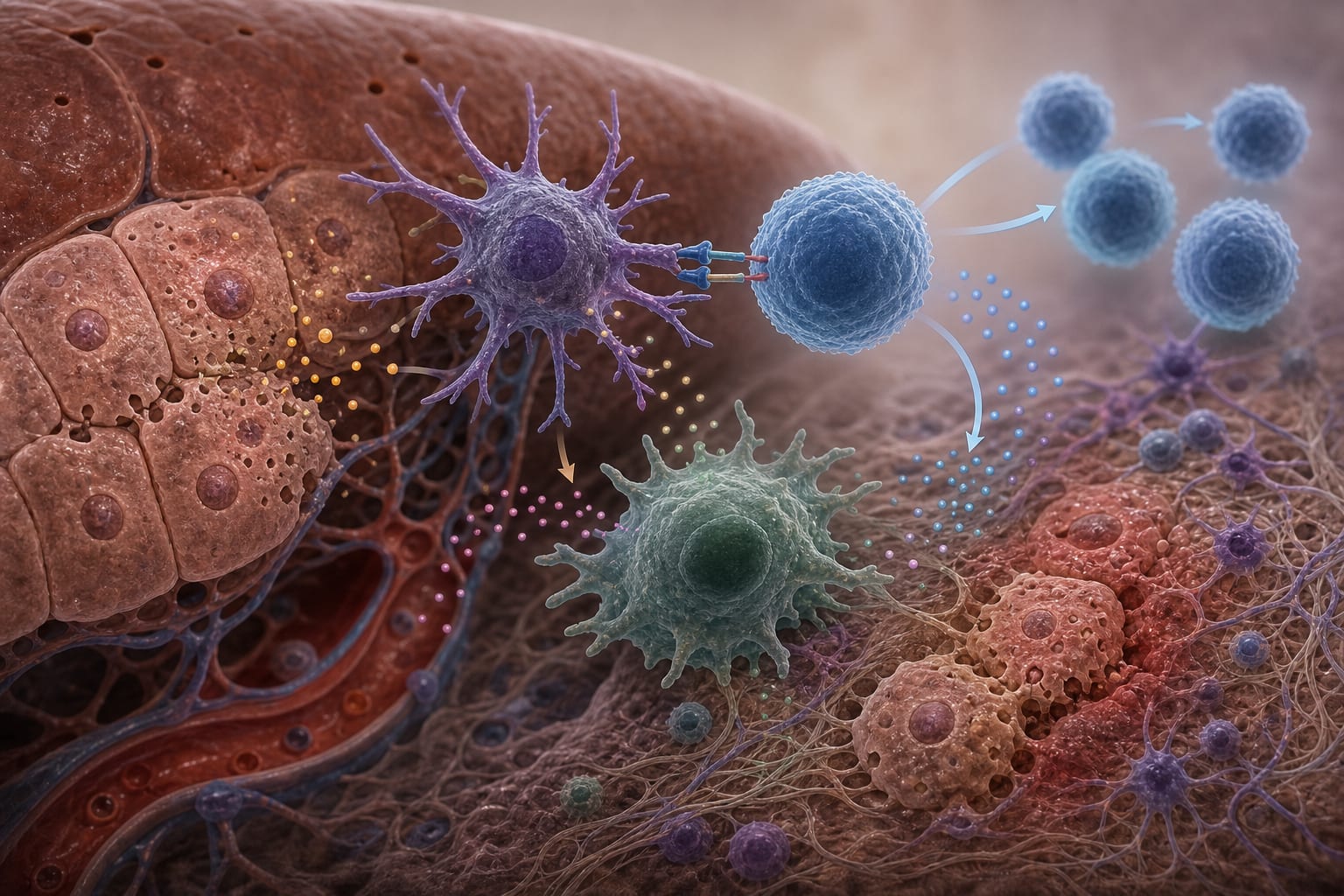
AIH is characterized by a complex interplay of immune cells and signaling pathways.
Current treatments often lead to significant side effects and poor responses in some patients.
Novel therapies targeting B-cell depletion and T-cell regulation, such as CD20 inhibitors and low-dose IL-2, show promise but require further validation.
Interpretation:
The pathogenesis of AIH involves a dynamic interplay of genetic, immune, and environmental factors, highlighting the urgent need for targeted therapies.
Limitations:
Current clinical drugs have significant side effects and limitations in efficacy.
The generalizability of treatment response rates across different populations remains uncertain.
Emerging therapies lack extensive clinical trial data, necessitating further research.
Conclusion:
The review provides comprehensive insights into AIH mechanisms and therapeutic advancements, emphasizing the critical need for targeted treatment approaches to improve patient outcomes.