To present a case of rapidly progressive diffuse hepatic hemangiomatosis (DHH) in an adult and discuss its diagnostic challenges.
Approach:
Case Presentation: A 51-year-old female with primary biliary cholangitis presented with multiple hepatic lesions initially suspected to be hemangiomas, which progressed rapidly over six months.
Diagnostic Evaluation: A percutaneous liver biopsy suggested a benign vascular lesion, but rapid clinical deterioration raised concerns for hepatic angiosarcoma.
Treatment and Outcome: The patient received paclitaxel and durvalumab without therapeutic response and died due to tumor rupture.
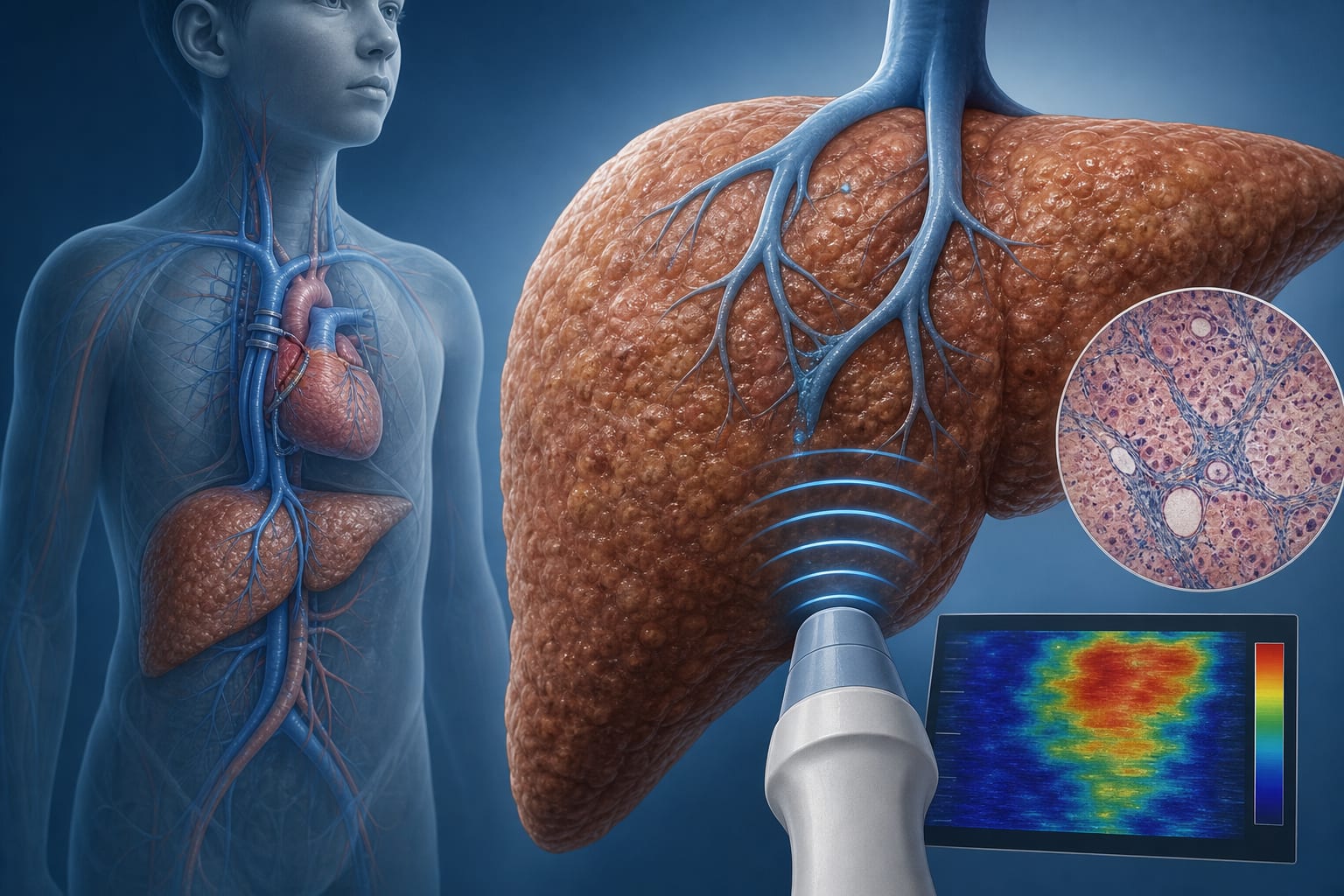
Autopsy Findings: Autopsy revealed diffuse replacement of hepatic parenchyma with multiloculated cystic vascular spaces lined with pleomorphic endothelial cells, confirming DHH.
Key Findings:
DHH is a rare benign vascular tumor of the liver that can exhibit rapid progression.
Histopathological evaluation is critical for diagnosis, distinguishing DHH from hemangiomas and hepatic angiosarcomas.
Interpretation:
The case highlights the diagnostic challenges of DHH, particularly its differentiation from more aggressive vascular lesions.
Limitations:
The rarity of DHH limits the understanding of its clinical behavior and outcomes.
Histopathological features can overlap with other vascular lesions, complicating diagnosis.
Conclusion:
This case contributes to the understanding of DHH's clinical and pathological features, emphasizing the need for careful evaluation in rapidly progressive cases.