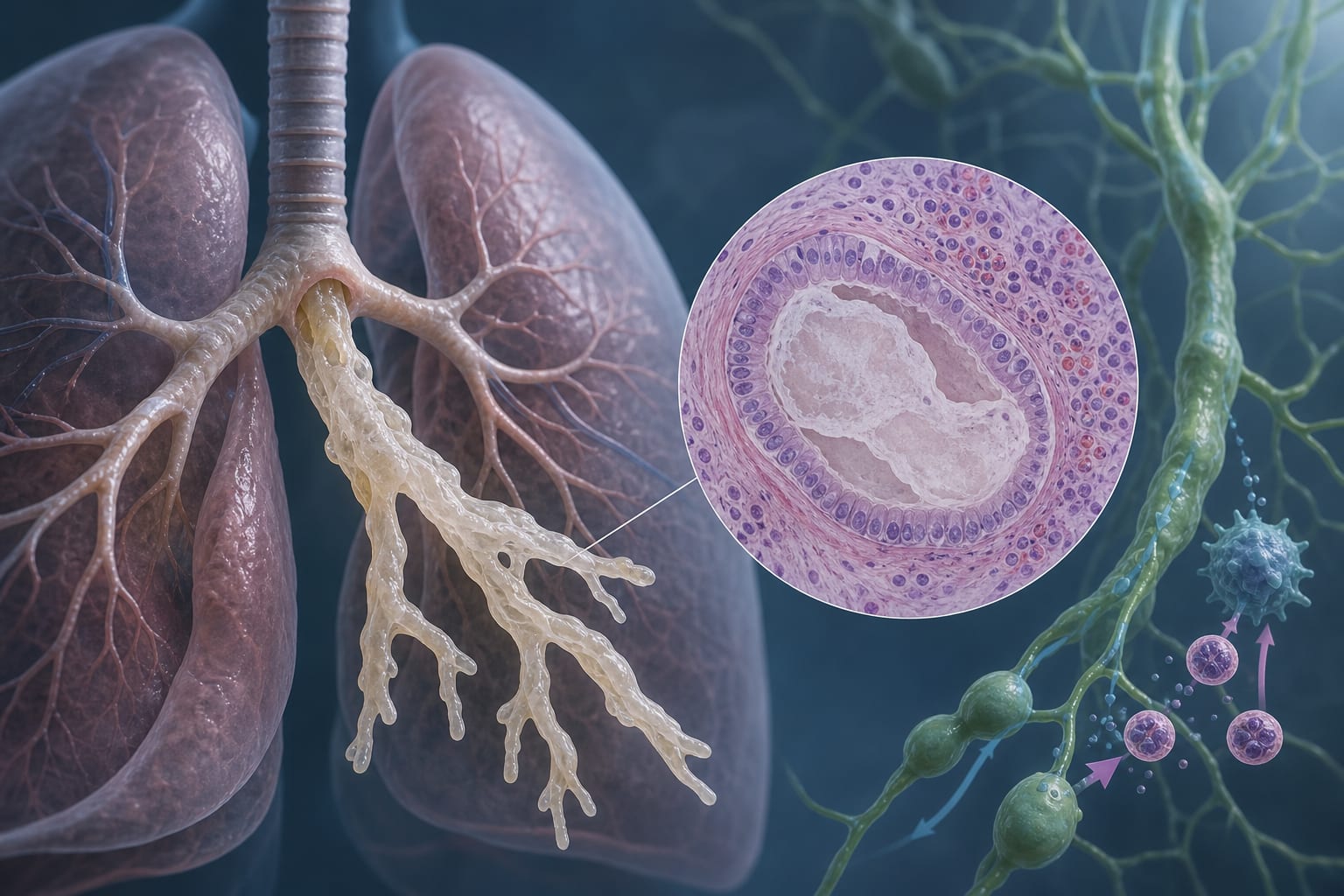
To explore the impact of major trauma on respiratory function and the mechanisms contributing to trauma-associated pneumonia (TAP), emphasizing its significance in trauma care.
Key Findings:
Approximately one third of major trauma patients develop pneumonia, significantly impacting patient outcomes, including increased mortality and longer hospital stays.
TAP is characterized by complex pathophysiology involving immune modulation and inflammation, which complicates treatment.
Rising antibiotic resistance complicates the management of TAP, necessitating innovative approaches.
Interpretation:
The review highlights the urgent need for improved understanding and awareness of TAP to enhance diagnosis, management, and patient outcomes in trauma care.
Limitations:
Challenges in early and precise diagnosis due to heterogeneous clinical presentations, including varying symptoms and risk factors.
Complexity of managing TAP in trauma ICU settings, exacerbated by the need for individualized treatment plans.
Conclusion:
A detailed understanding of TAP mechanisms is essential for improving patient recovery and reducing healthcare costs associated with trauma, underscoring the need for focused research and clinical strategies.