To discuss non-canonical and therapy-induced neoantigens as emerging sources of immunotherapy targets.
Approach:
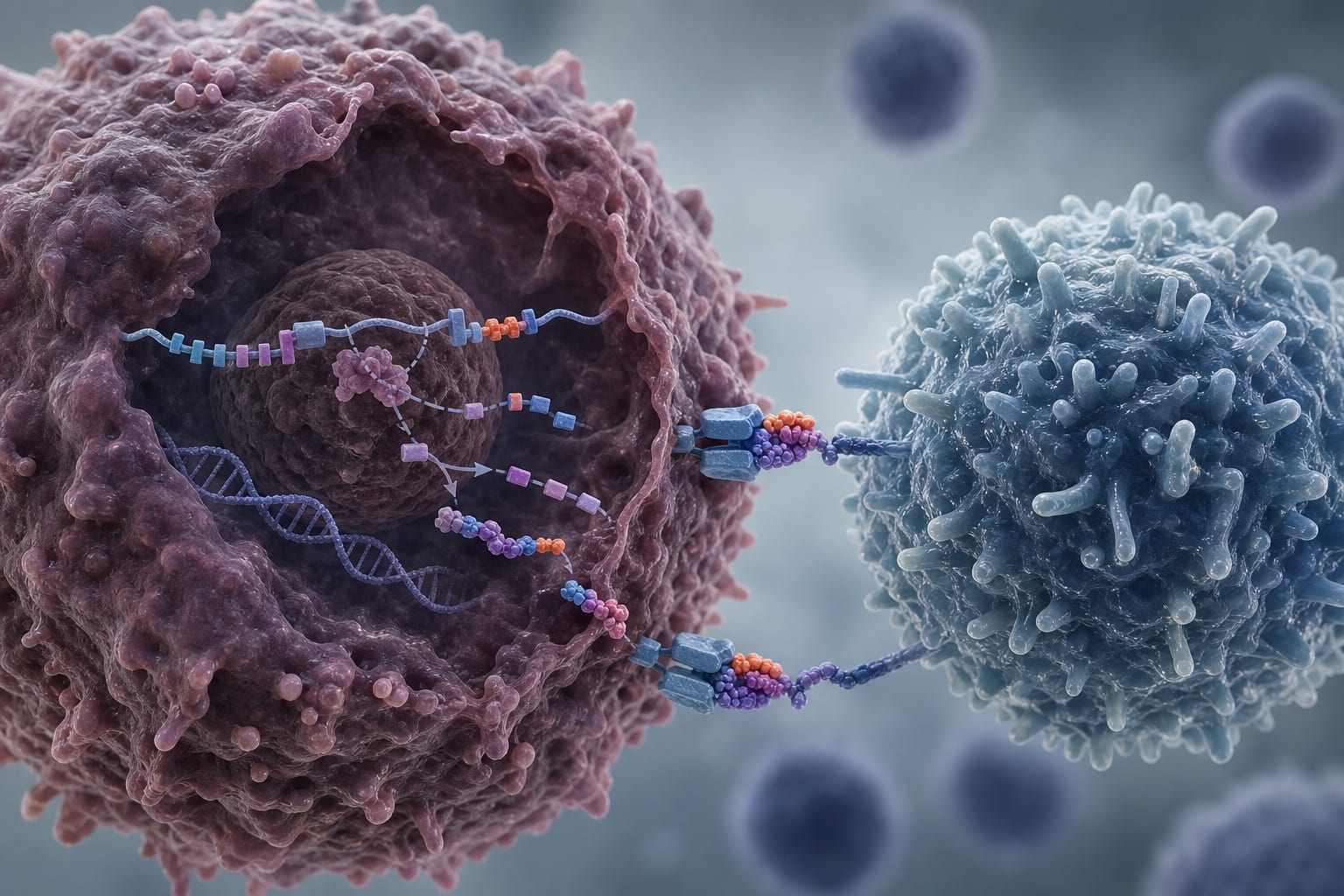
Review of Neoantigens: The review examines the immunogenicity of neoepitopes derived from alternative splicing, RNA editing, transposable elements, and aberrant translation.
Focus on Splicing Dysregulation: Emphasizes the impact of splicing dysregulation and chemotherapy-induced splicing alterations on neoepitope formation.
Integration into Immunotherapy: Proposes integrating non-canonical and induced neoantigens into current immunotherapy approaches to enhance antitumor efficacy.
Key Findings:
Current immunotherapeutic strategies primarily rely on neoantigen recognition.
Tumors with low mutational burden show limited response to existing immunotherapies.
Therapy-induced antigen generation is a promising but underexplored opportunity.
Interpretation:
Limitations:
Neoepitope identification remains challenging despite advances in mass spectrometry and bioinformatics.
Current pipelines primarily focus on immunogenic somatic mutations, potentially overlooking other sources.