To define the incidence of bailout procedures, identify independent preoperative and intraoperative predictors of their use, and evaluate the associated postoperative outcomes in patients undergoing laparoscopic cholecystectomy for acute cholecystitis.
Approach:
Study Design: Multicenter retrospective observational study conducted across 22 hospitals in Northern Italy from January 1, 2023, to December 31, 2024.
Participants: Included adult patients treated with laparoscopic cholecystectomy for acute calculous cholecystitis during the index admission.
Endpoints: Primary endpoint was the incidence of bailout procedures; secondary endpoints included risk factors for bailout procedures and postoperative outcomes.
Data Collection: Data were collected from institutional databases, including demographic characteristics, comorbidity burden, operative variables, and postoperative complications.
Statistical Analysis: Univariate and multivariate logistic regression analyses were performed to identify independent predictors of bailout procedures.
Key Findings:
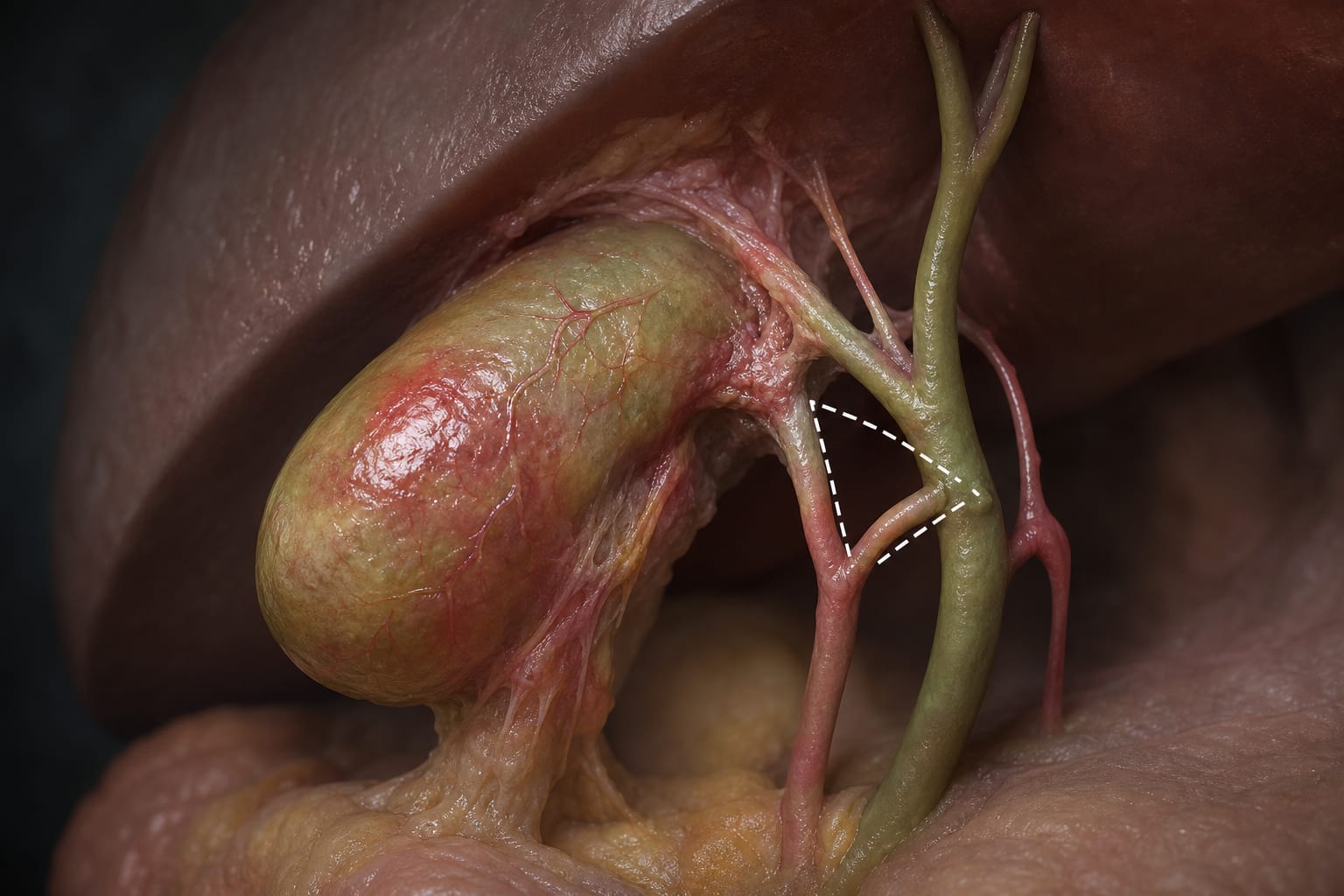
Bailout procedures are necessary in cases of difficult laparoscopic cholecystectomy due to severe inflammation or distorted anatomy.
Bailout procedures may reduce bile duct injury but are associated with increased rates of postoperative complications such as bile leaks and infections.
The decision to perform a bailout procedure is subjective and influenced by surgeon experience and institutional culture.
Interpretation:
The study aims to define the incidence of bailout procedures, identify independent preoperative and intraoperative predictors of their use, and evaluate the associated postoperative outcomes in patients undergoing laparoscopic cholecystectomy for acute cholecystitis.
Limitations:
Retrospective design may introduce bias.
Data collected from a limited geographical area may not be generalizable.
Variability in surgeon experience and institutional practices may affect outcomes.
Conclusion:
The BOLAC study seeks to define the incidence of bailout procedures and identify predictors in laparoscopic cholecystectomy for acute cholecystitis.
by Marco Ceresoli, Francesca Graziano, Niccolò Allievi, Luca Ansaloni, Matelda Bencini, Ilaria Benzoni, Pietro Bisagni, Luigi Boccia, Bruno Branciforte, Diletta Cassini, Daniele Del Fabbro, Michele Fogliata, Marco Garatti, Luca Ghirardelli, Antonio Guadalaxara, Guglielmo Guerrazzi, Marco Lotti, Diego Mariani, Michele Marini, Enrico Pinotti, Andrea Pisani Ceretti, Eliana Spada, Andrea Spota, Nereo Vettoretto, Luca Nespoli