Biomechanical and neural correlates of FastFES versus Fast gait training in individuals post stroke: a randomized control trial study protocol - Summary - MDSpire

Biomechanical and neural correlates of FastFES versus Fast gait training in individuals post stroke: a randomized control trial study protocol

  • By

  • Vyoma Parikh

  • Alexandra Slusarenko

  • Jacob Spencer

  • Jasmine M. Hope

  • Fisayo K. Aloba

  • Amit S. Grewal

  • Bennett L. Alterman

  • Keenan Batts

  • Catherine F. Mason

  • Laura Zajac-Cox

  • Sarah Caston

  • Michael R. Borich

  • Joe Nocera

  • Trisha M. Kesar

  • July 2, 2026

  • 0 min

Share

Objective:

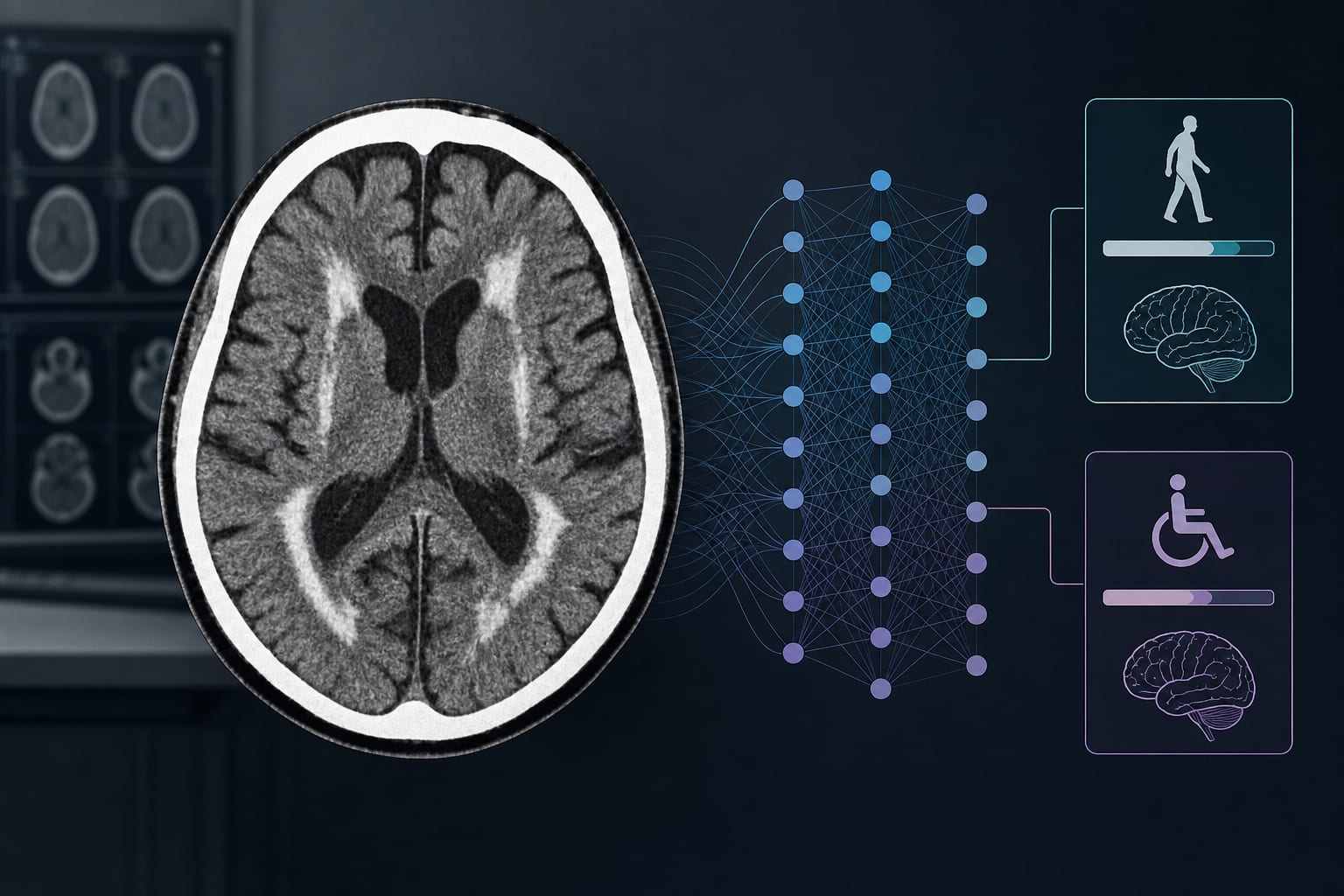
To assess the effects of Fast and FastFES gait training interventions on corticospinal neurophysiology, gait biomechanics, energy cost, and walking function in individuals with chronic post-stroke hemiparesis.

Approach:
  • Evaluation Schedule: Outcomes are assessed at baseline, post-training, and at 3 and 6 weeks follow-up, with additional evaluations after 3 and 6 training sessions to measure longitudinal effects.
Key Findings:
  • Fast gait training improves walking function but lacks targeted intervention for specific gait deficits.
  • FastFES gait training may enhance motor learning and reduce biomechanical asymmetry in the paretic leg.
  • Both interventions aim to improve gait speed, quality, and reduce energy cost.
Interpretation:

Limitations:
  • The study does not address the long-term sustainability of improvements post-intervention.
  • Variability in individual responses to training may affect the generalizability of findings.
Conclusion:

Sources:

Original Source(s)

Related Content