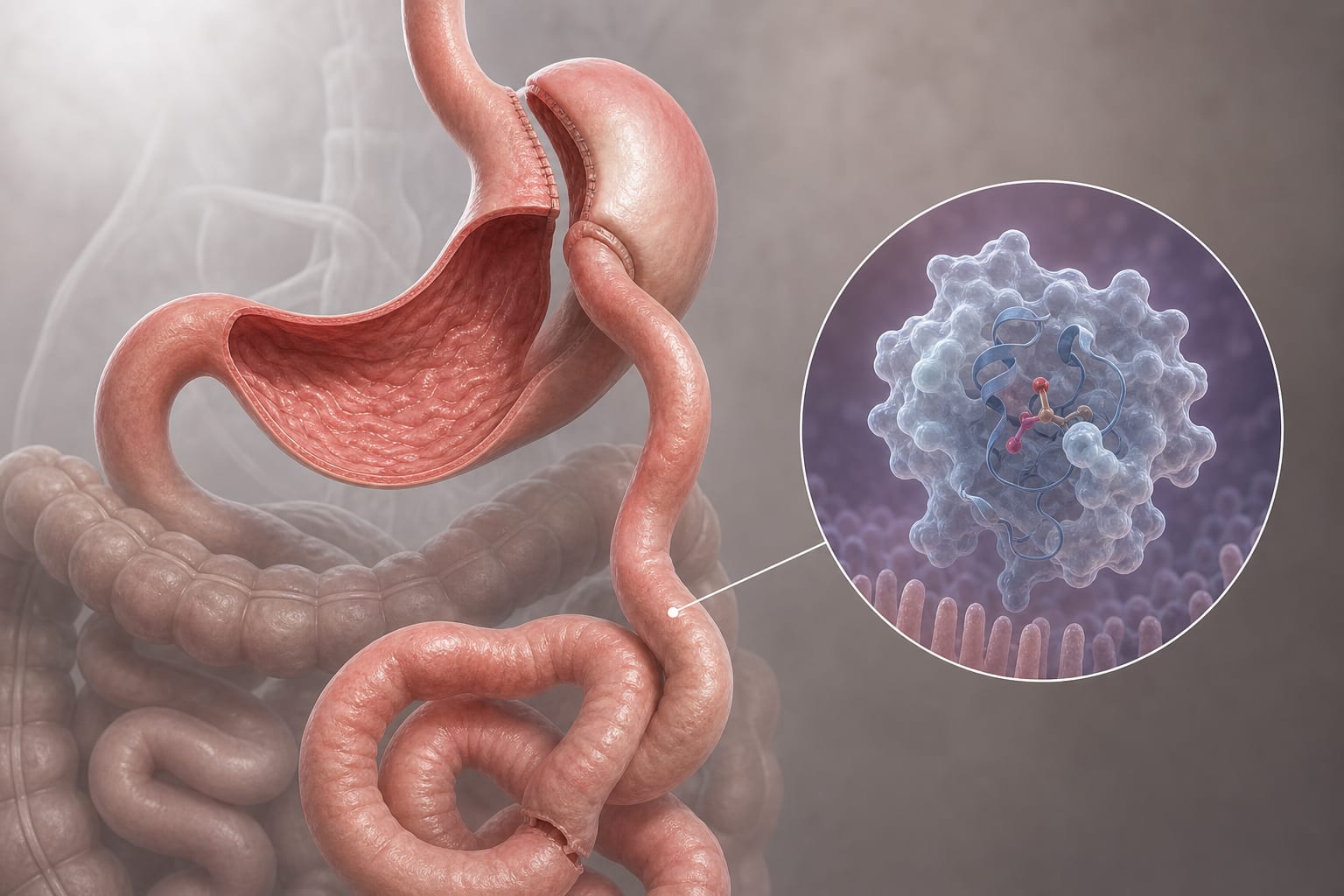
To explore the role of metabolomics in understanding and managing childhood obesity, emphasizing its potential impact on prevention and treatment strategies.
Key Findings:
Childhood obesity prevalence has increased from 2% to 8% globally from 1990 to 2022, highlighting a significant public health concern.
Positive associations were found between certain plasma metabolites (e.g., specific amino acids) and obesity indicators, while others showed negative associations.
Fecal metabolites also demonstrated significant associations with body fat distribution and obesity metrics, indicating a complex interplay between diet, metabolism, and obesity.
Interpretation:
Metabolomics may provide insights into the metabolic profiles associated with obesity, potentially guiding prevention and treatment strategies in pediatric populations, and highlighting the need for further research in this area.
Limitations:
The study is cross-sectional, limiting the ability to establish causality and temporal relationships.
Confounding variables were not fully controlled, which may affect the validity of the associations observed.
Conclusion:
Metabolomics holds promise for early identification and intervention in childhood obesity, potentially improving long-term health outcomes and informing clinical practices.