Cardiac magnetic resonance imaging in patients referred for premature ventricular contractions: identifying patients most likely to benefit - Summary - MDSpire
Conexiant’s news site is now MDSpire News. Learn more
Advertisement
Evaluating the Role of Cardiac Magnetic Resonance Imaging in Patients with Premature Ventricular Contractions: Identifying Candidates Most Likely to Gain Benefit
Predictive factors for structural abnormalities included age (odds ratio [OR]: 1.03; p = 0.016), male sex (OR: 2.48; p = 0.019), diabetes (OR: 5.02; p = 0.010), smoking (OR: 2.09; p = 0.047), known cardiomyopathy (OR: 3.24; p = 0.006), pleomorphic PVCs (OR: 2.48; p = 0.051), and the absence of a decrease in PVC frequency during exercise (OR: 0.24; p < 0.001).
Young, nondiabetic patients with normal echocardiography and monomorphic PVCs that decreased with effort had normal CMR findings.
Interpretation:
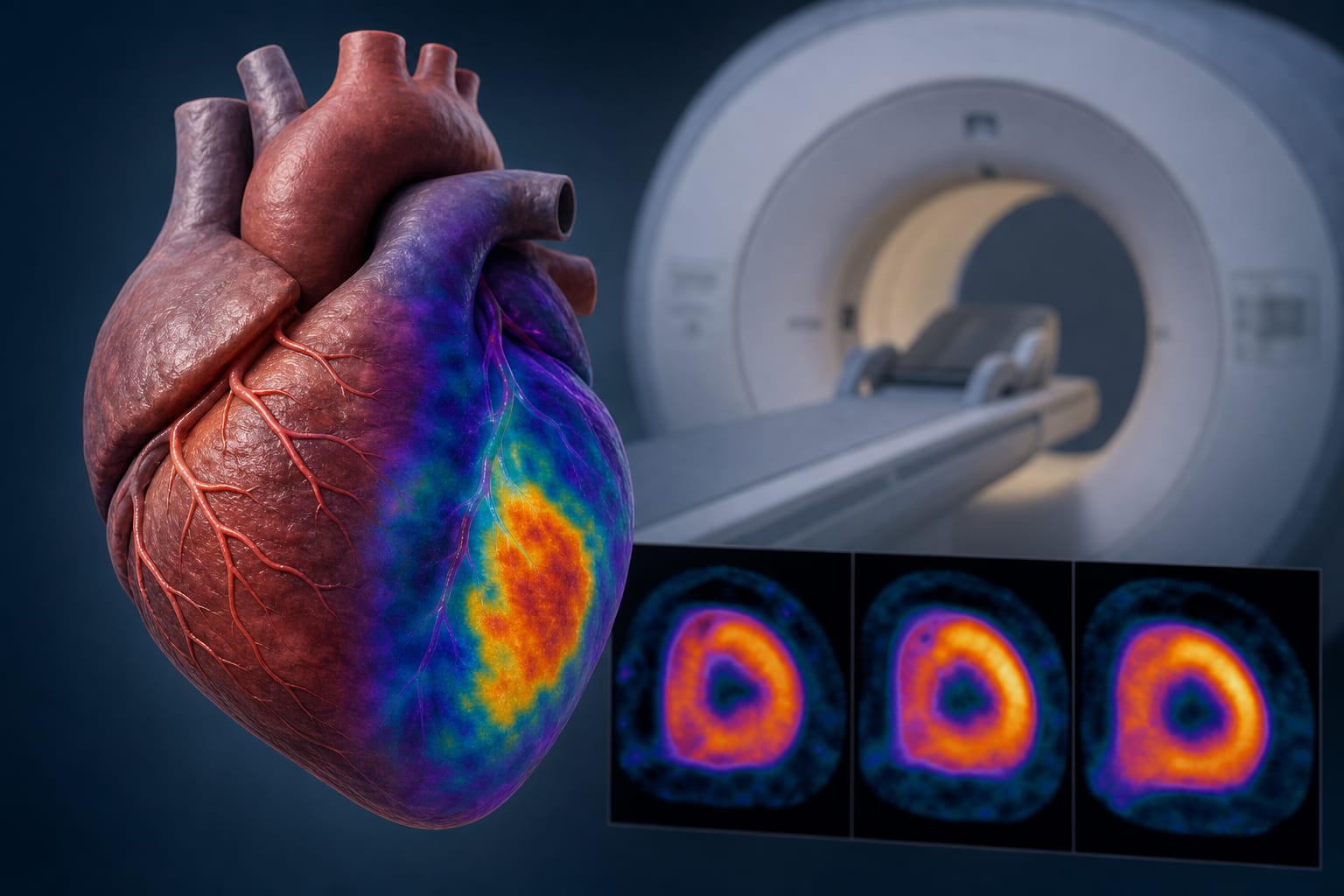
CMR is useful in investigating PVCs, detecting structural abnormalities that may not be identified in initial assessments.
Limitations:
The study was retrospective and conducted at a single center.
Findings may not be generalizable to all patient populations.
Conclusion:
CMR can detect structural heart disease in PVC patients, with specific predictive factors identified.
From Medicare payment updates to drug approvals and device access, these federal actions may affect reimbursement, prescribing, patient access, and clinical workflows.