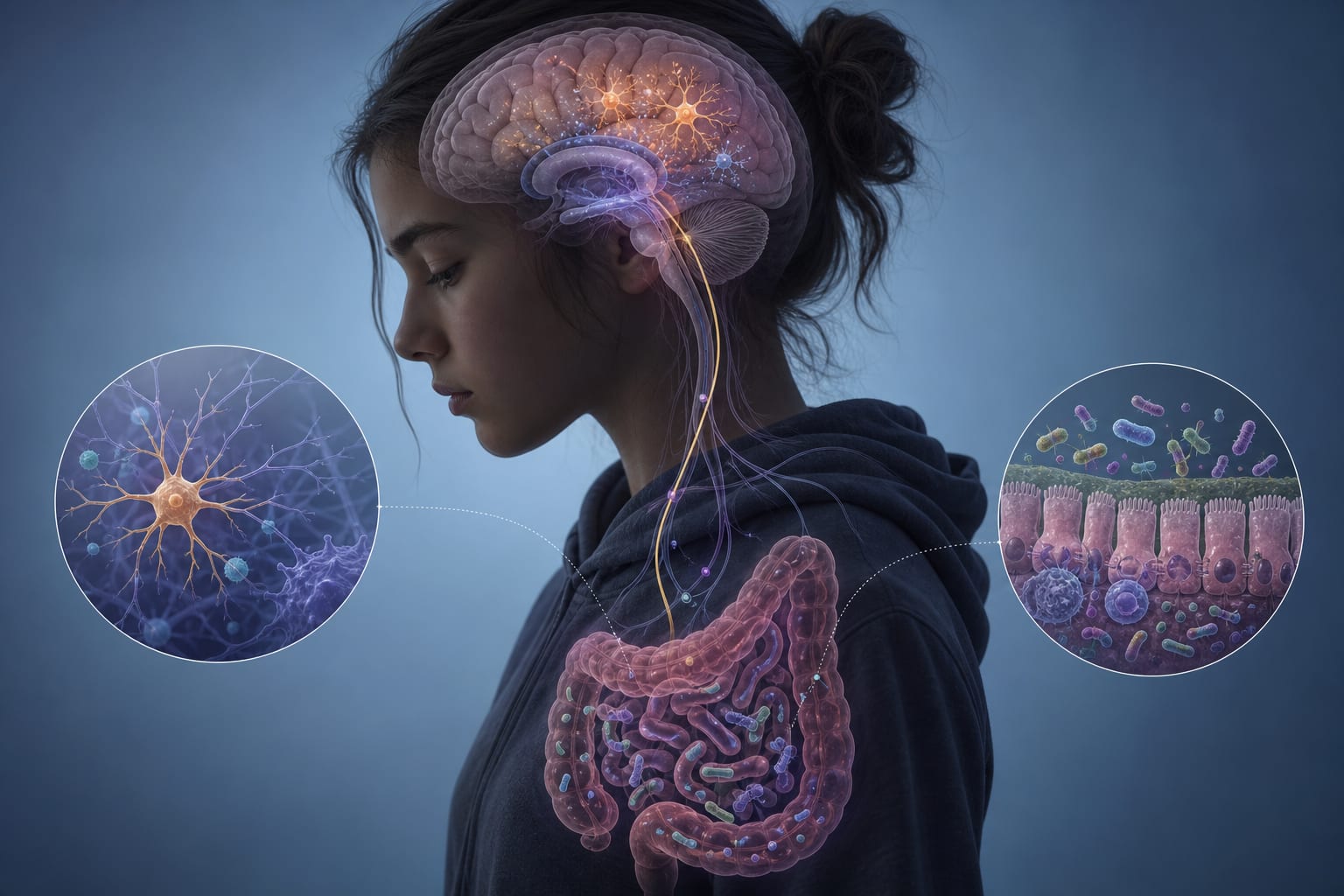
To synthesize evidence regarding the vulnerabilities and biological mechanisms underlying adolescent depression, particularly focusing on the microbiota-gut-brain axis (MGBA) and its significance in this context.
Key Findings:
Adolescence is a dual-sensitive period with concurrent maturation of the brain and gut microbiota, increasing vulnerability to depression.
Dysregulated gut-brain communication may lead to low-grade inflammation and altered metabolism related to neurotransmitters.
Inflammatory signaling and microglial activation may connect gut dysbiosis to changes in synaptic structure.
Environmental factors like diet, antibiotics, and sleep disruption can perturb MGBA homeostasis.
The 'microgenderome' framework may provide insights into sex-related differences in depression.
Interpretation:
The review suggests that understanding the MGBA and its role in adolescent depression could inform future prevention and intervention strategies.
Limitations:
Direct causal evidence linking gut dysbiosis to depression in adolescents remains limited, which complicates the development of targeted interventions.
Current clinical interventions for adolescent depression, such as SSRIs, show limited efficacy and safety concerns, highlighting the need for alternative strategies.
Conclusion:
Future studies integrating longitudinal designs and adolescent-specific interventions are essential to clarify causality and guide precision prevention, emphasizing the importance of the MGBA in these efforts.