Phytomedicines in preclinical and clinical research on antipsychotics-induced EPS/EPS-like behaviors: therapeutic effects and neurobiological mechanisms - Summary - MDSpire
To provide a comprehensive review on the application of phytomedicines in preventing and treating antipsychotic-induced extrapyramidal symptoms (EPS) by summarizing their therapeutic effects and underlying neurobiological mechanisms.
Approach:
Key Findings:
Clinical research indicates beneficial effects of herbal medicines on EPS in patients with schizophrenia.
Most studies reviewed are animal studies demonstrating that herbal medicines can prevent or improve EPS-like behaviors.
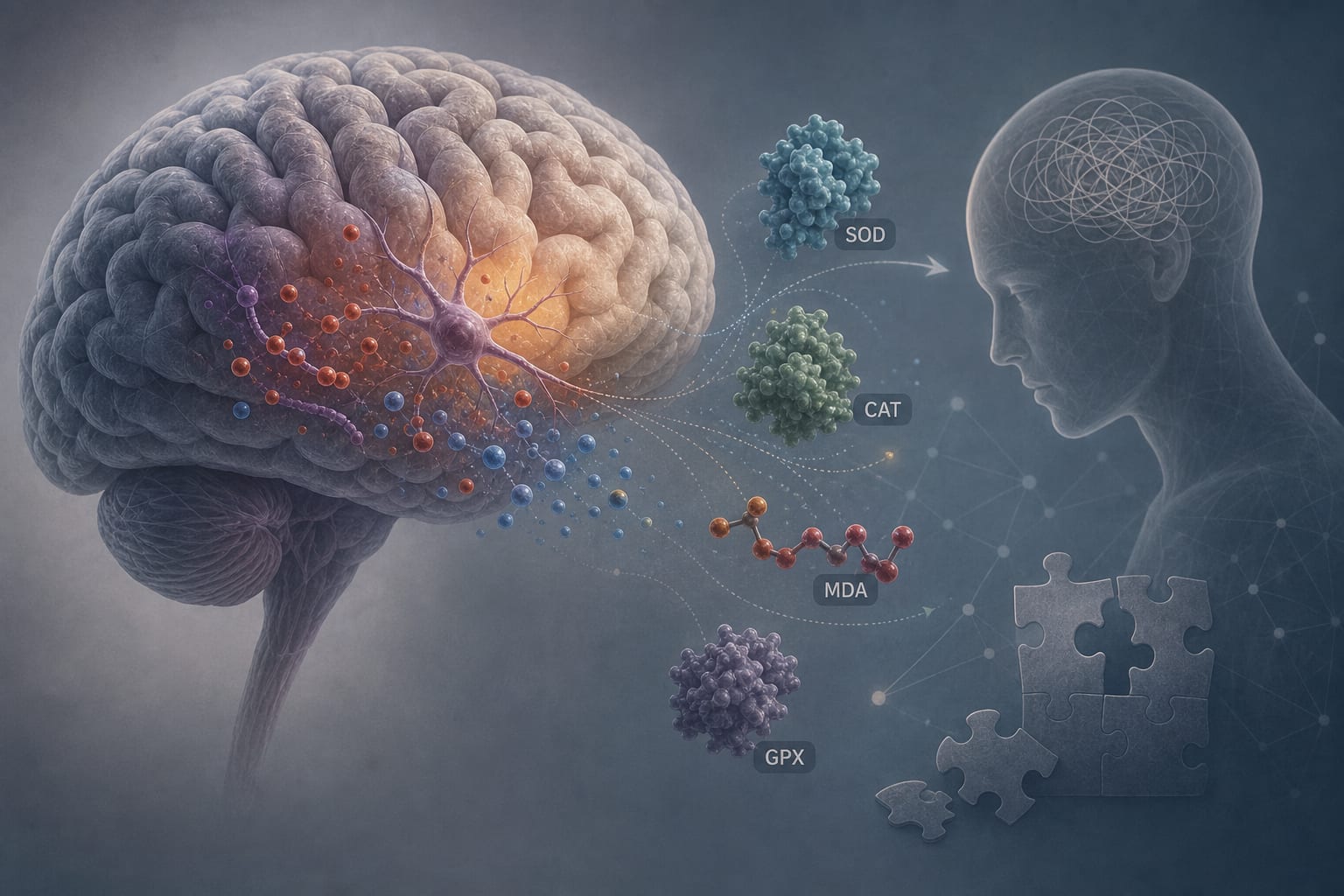
Neurobiological mechanisms include regulation of monoaminergic neurotransmission, alleviation of oxidative stress, maintenance of mitochondrial function, suppression of neuroinflammation, and modulation of the KEAP1/Nrf2 pathway.
Interpretation:
The results support the combination of herbal medicines with antipsychotic drugs for the prevention and treatment of EPS in patients with schizophrenia.
Limitations:
The majority of existing research consists of animal studies rather than extensive clinical trials.
A few negative reports exist regarding the efficacy of herbal medicines.
Conclusion:
The review highlights the potential of phytomedicines in addressing EPS induced by antipsychotic drugs.