Having standard protocols, driven by the presence of patient signs and/or symptoms, improves clinic efficiency, diagnostic accuracy, and patient experience.
To outline a streamlined approach for identifying patients with dry eye disease (DED) in a multispecialty practice, emphasizing the importance of maintaining clinic flow and efficiency in patient management.
Key Findings:
SPEED questionnaire is effective for identifying evaporative dry eye symptoms, which can guide treatment decisions.
Meibomian gland evaluation is crucial for assessing gland function and treatment response, impacting patient management.
Tear osmolarity testing provides actionable data and is sensitive and specific for DED, aiding in early intervention.
Interpretation:
A team-based approach involving technicians enhances efficiency and patient education in diagnosing and managing dry eye disease, leading to improved patient outcomes.
Limitations:
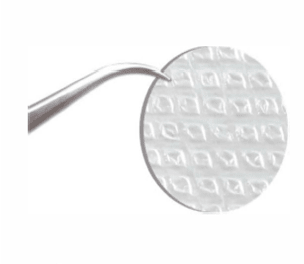
Routine MMP-9 testing may not be efficient due to time constraints, potentially affecting timely diagnosis.
Meibography is only performed at baseline exams, limiting ongoing assessment and monitoring of treatment efficacy.
Conclusion:
Implementing structured protocols and technician involvement can significantly improve the efficiency of dry eye testing and patient management in clinical settings, ultimately enhancing patient care.