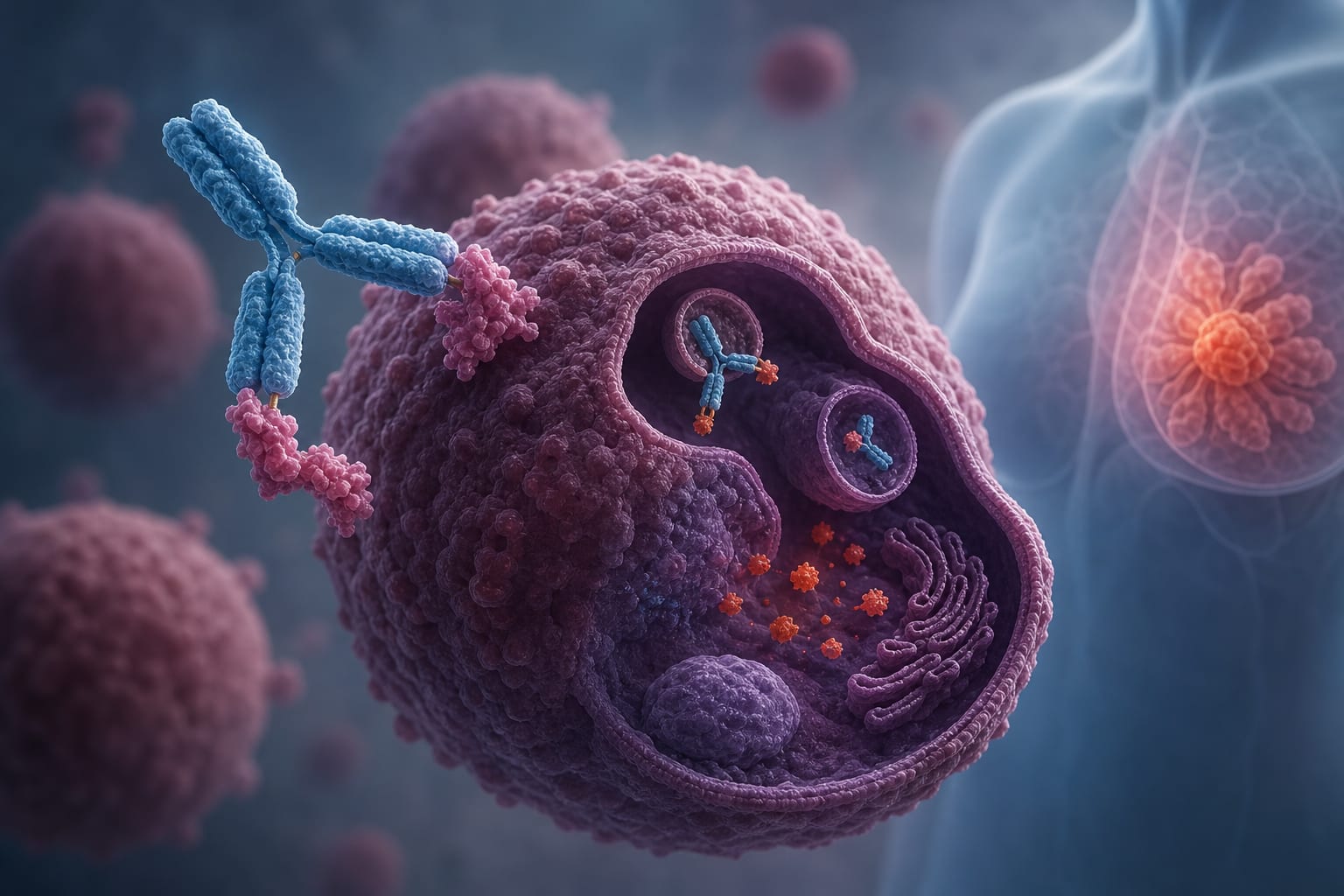
Armoring CAR-T Against Solid Tumors
UCLA researchers create armored CAR-T cells that show promise for treating solid tumors
Objective:
To develop a next-generation CAR-T cell therapy that can overcome the protective microenvironment of solid tumors.
Key Findings:
- Armored CAR-T cells outperformed conventional CAR-T therapy and systemic anti-VEGF antibodies in preclinical models.
- In ovarian cancer models, engineered cells slowed tumor growth and improved survival while boosting interferon-gamma levels.
- In glioma models, 63–88% of mice treated with armored CAR-T therapy had complete tumor elimination, compared to 0–38% with standard CAR-T cells.
- The modified CAR-T cells normalized tumor blood vessels and reduced oxygen deprivation, enhancing immune responses.
Interpretation:
The study suggests that engineering CAR-T cells to reshape the tumor microenvironment can enhance their effectiveness against solid tumors.
Limitations:
- Research is currently at a preclinical stage and requires further validation in clinical trials.
- The long-term effects and safety of this approach in humans are yet to be determined.
Conclusion:
This innovative strategy could expand the applicability of CAR-T therapies to solid tumors that have historically resisted immunotherapy.