Mycoplasma pneumoniae pneumonia with and without viral pathogens in preschool-aged children: a comparative study of clinical outcomes - Summary - MDSpire
Advertisement
Mycoplasma pneumoniae pneumonia with and without viral pathogens in preschool-aged children: a comparative study of clinical outcomes
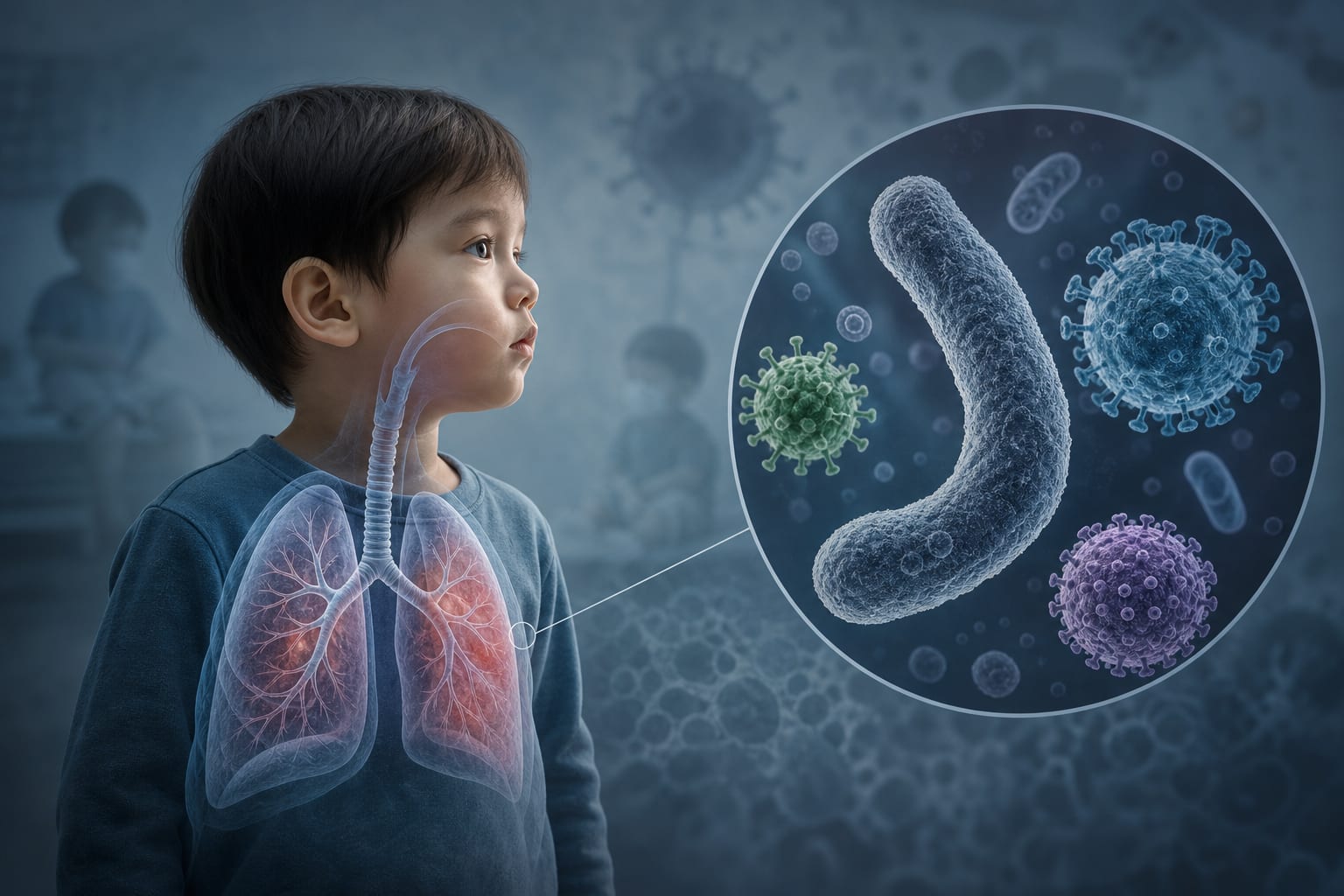
To describe the frequency, pathogen-specific inflammatory signatures, and age-dependent clinical impact of viral co-detection in preschool children with Mycoplasma pneumoniae pneumonia (MPP).
Approach:
Study Design: Retrospective analysis of medical records from 504 children hospitalized with MPP between July 2021 and December 2023.
Key Findings:
Viral co-detection occurred in 193 (38.3%) children, peaking in the 2–4 years age group (47.1%).
Co-detection in children under 2 years was associated with a higher severe disease rate (29.7% vs. 9.5%; P = 0.046).
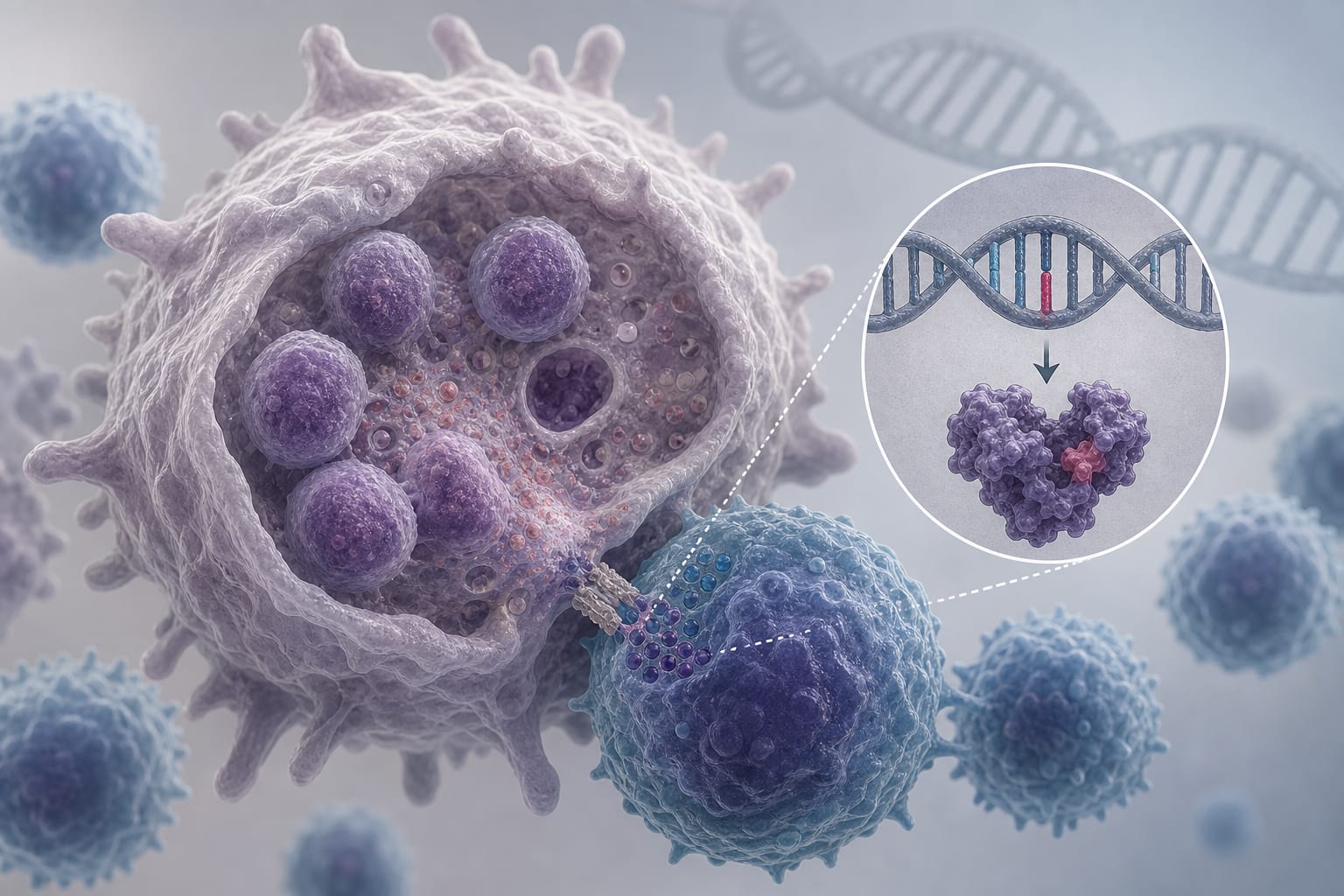
HMPV co-detection linked to leukopenia [median: 2.25 (IQR 1.73–3.05) vs. 2.70 (1.72–7.31) × 10⁹/L, P = 0.013] and elevated IL-10 [8.76 (5.58–18.66) vs. 5.00 (2.97–5.95) pg/mL, P = 0.037] and IFN-γ [4.34 (2.68–5.96) vs. 2.24 (1.12–2.77) pg/mL, P = 0.028].
RSV co-detection featured higher neutrophil counts [5.76 (4.11–7.36) vs. 3.93 (2.69–4.06) × 10⁹/L, P = 0.033] and IL-10 levels [10.97 (7.74–20.23) vs. 5.00 (2.97–5.95) pg/mL, P = 0.024].
Wheezing (aOR=1.909; 95% CI: 1.131–3.222), severe pneumonia (aOR=1.797; 95% CI:1.019–3.169), and higher serum IL-10 (aOR=1.038 per unit; 95% CI: 1.015–1.062) identified as independent risk factors for viral co-detection.
Interpretation:
Limitations:
Observational study design does not establish causality.
Findings require validation in prospective studies.