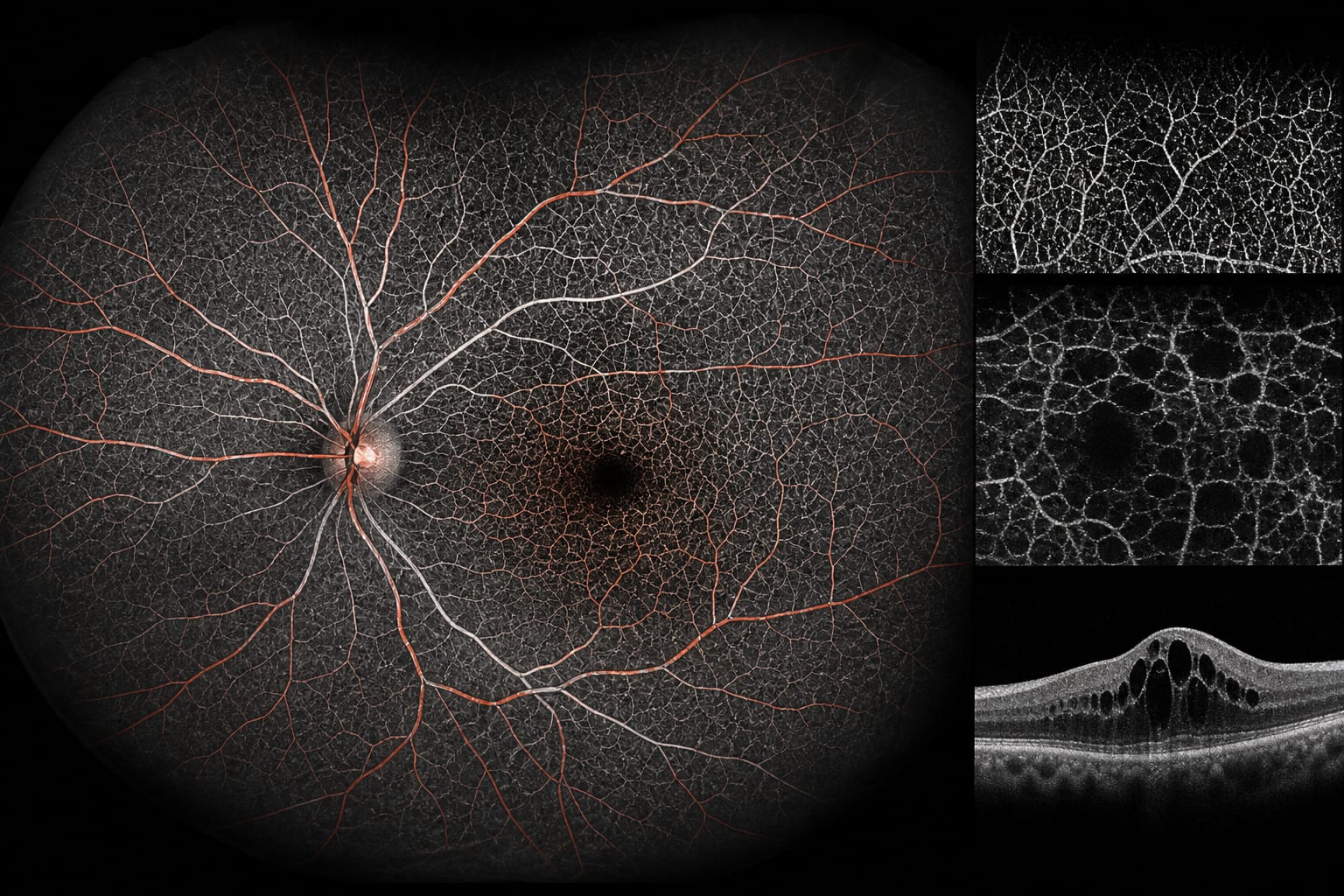
To evaluate the effectiveness of the Reti-Pioneer AI framework in detecting multiple systemic diseases from retinal images, highlighting its significance in improving population health screening.
Key Findings:
Reti-Pioneer achieved AUROC values of 0.833 for type 2 diabetes, 0.832 for gout, 0.740 for hypertension, and 0.699 for thyroid disease.
The model demonstrated consistent performance across multi-ethnic and resource-variable settings.
In a clinical pilot study, Reti-Pioneer outperformed the Finnish Diabetes Risk Score with an AUROC of 0.776.
Interpretation:
The study suggests that retinal imaging can serve as a non-invasive method for scalable screening of systemic diseases, potentially transforming clinical practice.
Limitations:
Accuracy is not yet sufficient for standalone diagnosis, and specific regulatory challenges must be addressed.
Implementation and health economics considerations need to be evaluated for widespread adoption.
Conclusion:
Reti-Pioneer represents a significant advancement in the use of retinal imaging for detecting multiple systemic diseases, though further validation and regulatory approval are necessary to enhance healthcare accessibility.