Immunomodulation by platelet-derived DKK1: potential for controlling disease and pathology in leishmaniasis and implications for other infectious diseases - Summary - MDSpire
Advertisement
Immunomodulation by platelet-derived DKK1: potential for controlling disease and pathology in leishmaniasis and implications for other infectious diseases
To examine the role of platelet-derived DKK1 in modulating immune responses during Leishmania major infection and its implications for disease management in leishmaniasis and other infectious diseases.
Key Findings:
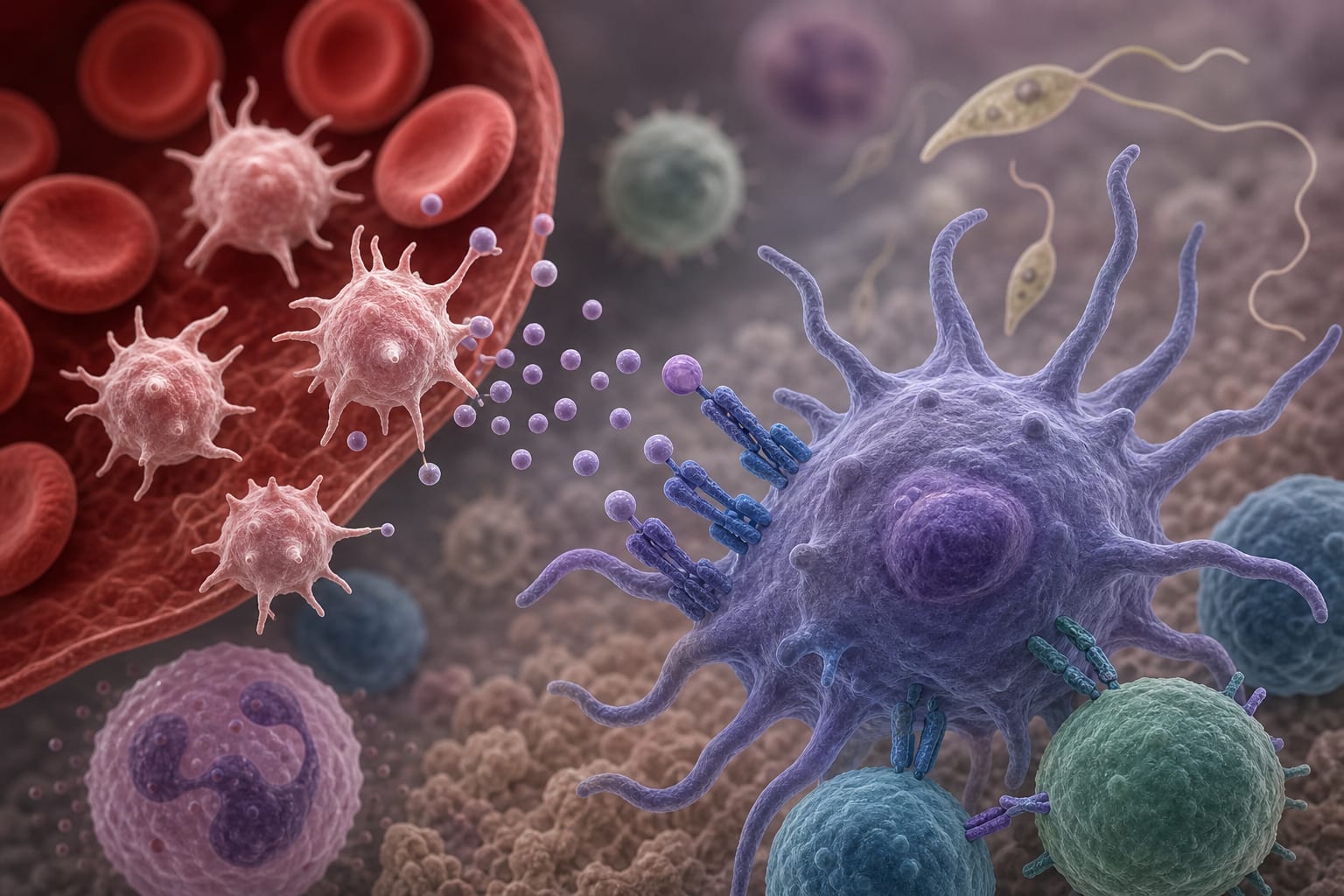
Leishmania major infection promotes platelet activation and DKK1 release, which is significant for understanding immune modulation.
Platelet-derived DKK1 enhances leukocyte-platelet aggregation and recruits immune cells to inflammatory sites, indicating its role in inflammation.
DKK1 influences dendritic cell polarization, favoring Th2 and regulatory immune responses, which may affect treatment outcomes.
Sustained DKK1 signaling may diminish protective Th1-associated responses, highlighting a potential therapeutic target.
Interpretation:
Platelet-derived DKK1 functions as an early regulator of both innate and adaptive immune responses during Leishmania infection, suggesting that targeting DKK1 could influence treatment strategies for other infectious diseases.
Limitations:
The review primarily focuses on findings from mouse models, which may not fully translate to human conditions; further studies should include human data.
Further studies are needed to clarify the translational relevance of DKK1 across various infectious diseases, particularly in clinical settings.
Conclusion:
Platelet-derived DKK1 is highlighted as a potential immunomodulatory target in the context of infectious diseases, with implications for future therapeutic strategies.