Comment on: Changes in microbiological characteristics of bloodstream infections before and after the COVID-19 pandemic in a tertiary teaching hospital in Iran - Summary - MDSpire
Coming Soon: Introducing MDSpire News. Learn more
Conexiant’s news site is now MDSpire News. Learn more

Analysis of Microbial Profile Shifts in Bloodstream Infections Pre- and Post-COVID-19 Pandemic at a Tertiary Care Facility in Iran

  • By

  • Sebastiana Silva Sabino

  • Alexia Máximo Fernandes

  • Natália Ludendorff Queiroz

  • Cristiane Silveira de Brito

  • Lícia Ludendorff Queiroz

  • Celsa Raquel Villaverde Melgarejo

  • Paulo P. Gontijo Filho

  • Rosineide Marques Ribas

  • September 16, 2026

Share

Objective:

To investigate alterations in the microbiological characteristics of bloodstream infections (BSIs) before and after the COVID-19 pandemic.

Approach:
  • Study Design: Retrospective analysis of BSIs over six years, comparing pre-pandemic and pandemic periods.
  • Microbial Analysis: Assessment of pathogen distributions and resistance patterns in BSIs.
Key Findings:
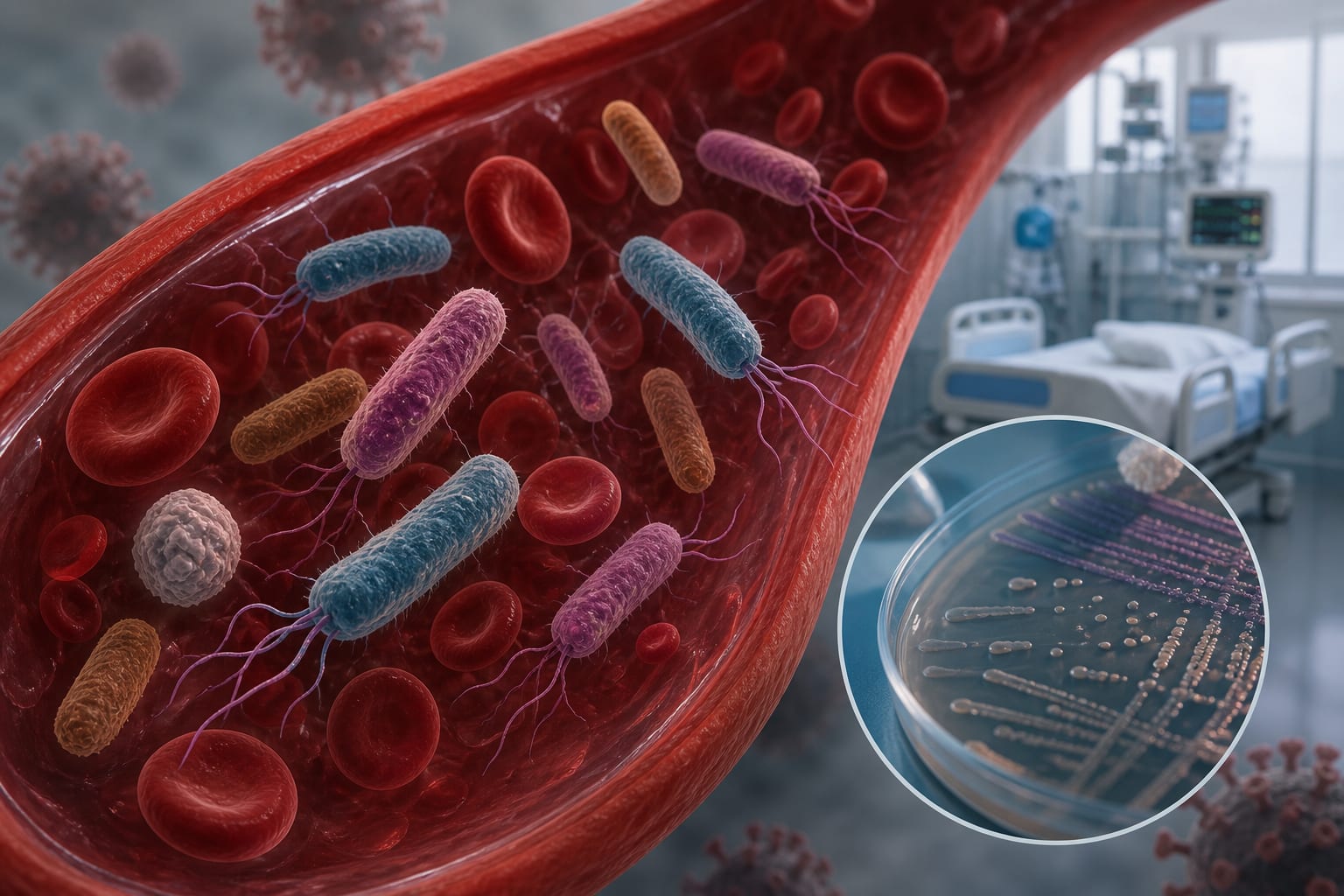
  • Gram-negative organisms predominated in the etiological profile of BSIs.
  • Increased prevalence of Enterobacterales (E. coli, Klebsiella spp., Enterobacter spp.) post-pandemic.
  • Significant rise in antimicrobial resistance, particularly among Gram-negative pathogens.
  • MRSA prevalence increased, while vancomycin-resistant enterococci remained high.
  • Decreased prevalence of Stenotrophomonas maltophilia.
Limitations:
  • Methodological differences among studies may affect interpretation of results.
Conclusion:

Ongoing surveillance is critical for informing empirical antibiotic therapy and reinforcing infection control strategies.

Sources:

Original Source(s)

Related Content