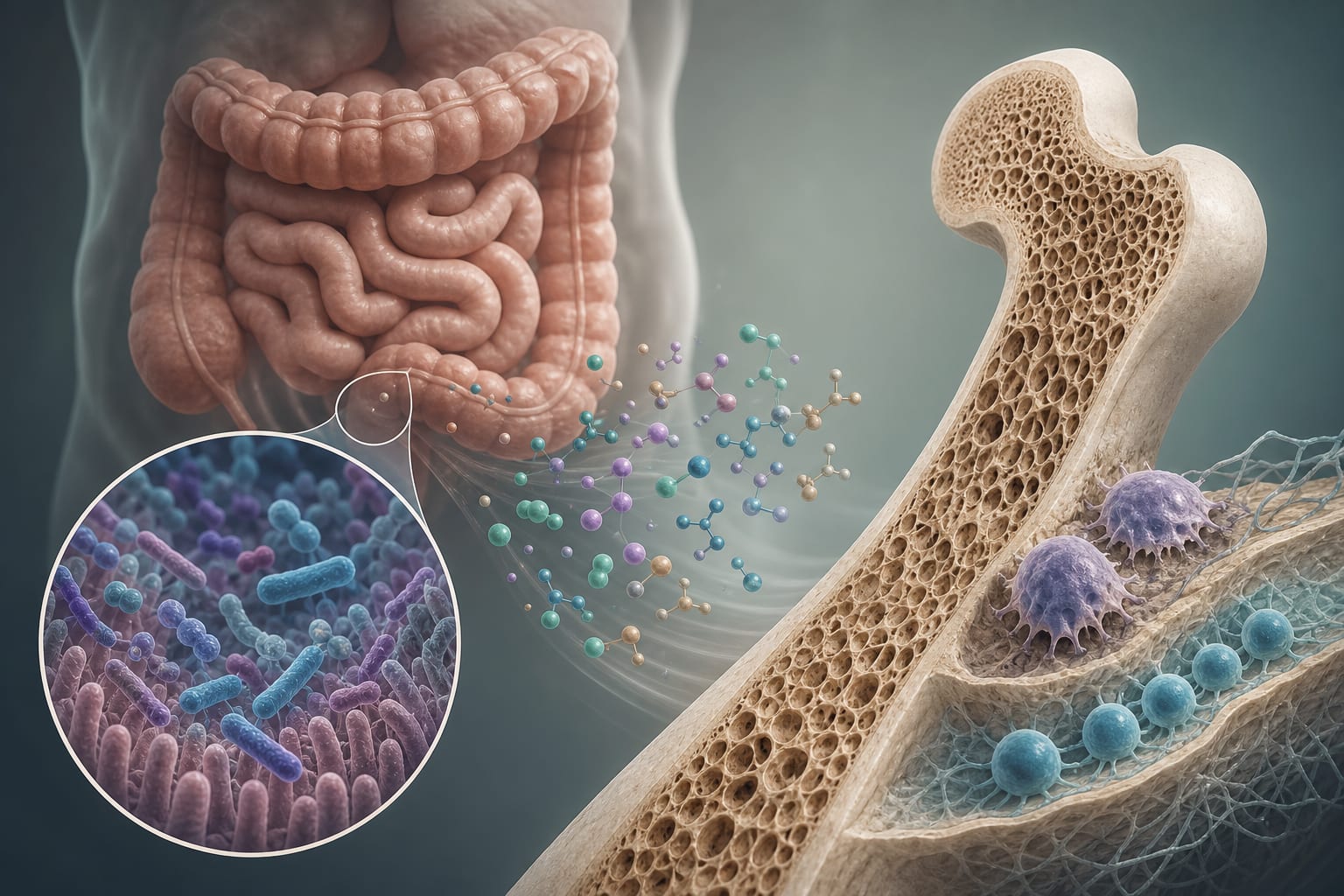
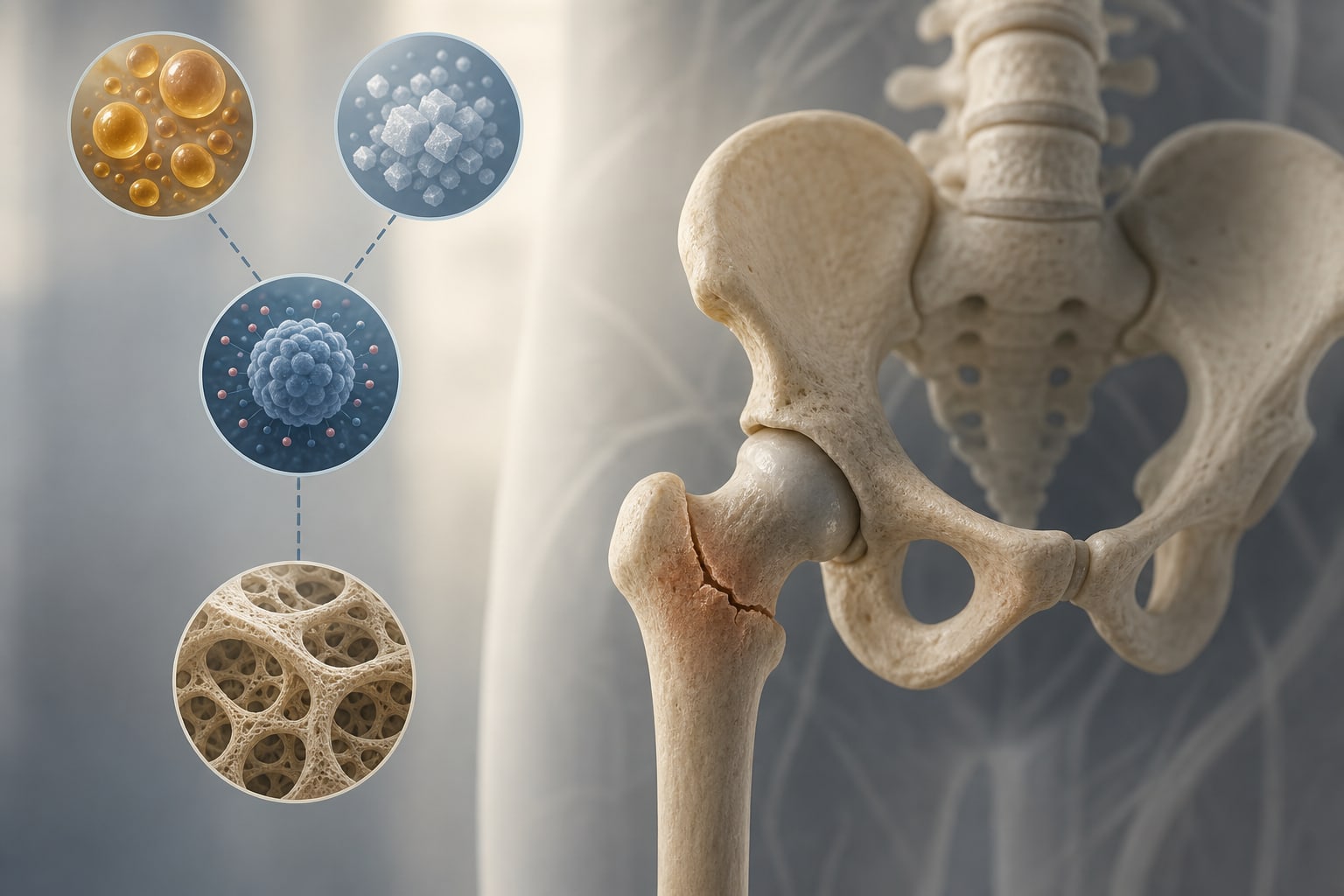
To explore the role of gut microbiota in osteoporosis and the potential of new biomaterials for treatment, highlighting the significance of this relationship in addressing unmet clinical needs.
Key Findings:
Gut microbiota regulates osteoporosis through various mechanisms including metabolite production and immune balance, which are crucial for effective treatment.
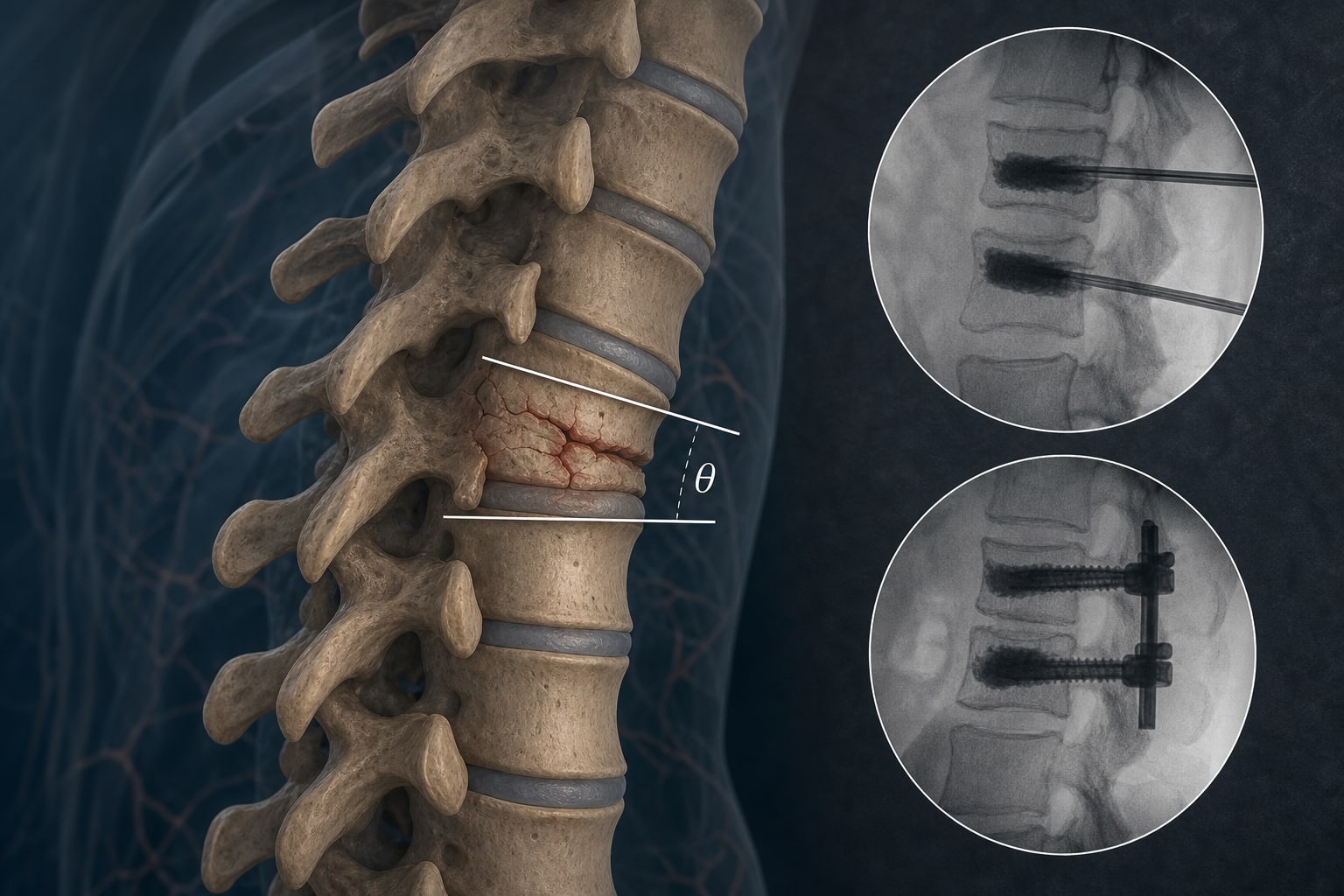
Innovative biomaterials can enhance bone repair while also addressing gut microbiome health, suggesting a dual benefit.
Clinical translation of microbiota-modulating biomaterials faces challenges such as microbial variability and biocompatibility, which must be addressed for successful implementation.
Interpretation:
The interplay between gut microbiota and bone health presents a promising avenue for developing multifaceted and personalized treatments for osteoporosis.
Limitations:
Individual microbial heterogeneity complicates treatment outcomes, as variations can lead to inconsistent responses to therapies.
Long-term biocompatibility of new biomaterials is not fully established, necessitating further research.
Incomplete understanding of the interactions between materials, gut microbiota, and bone hinders the development of effective therapies.
Conclusion:
A refined interdisciplinary framework is necessary for developing personalized biomaterial therapies targeting osteoporosis, emphasizing collaboration across fields.