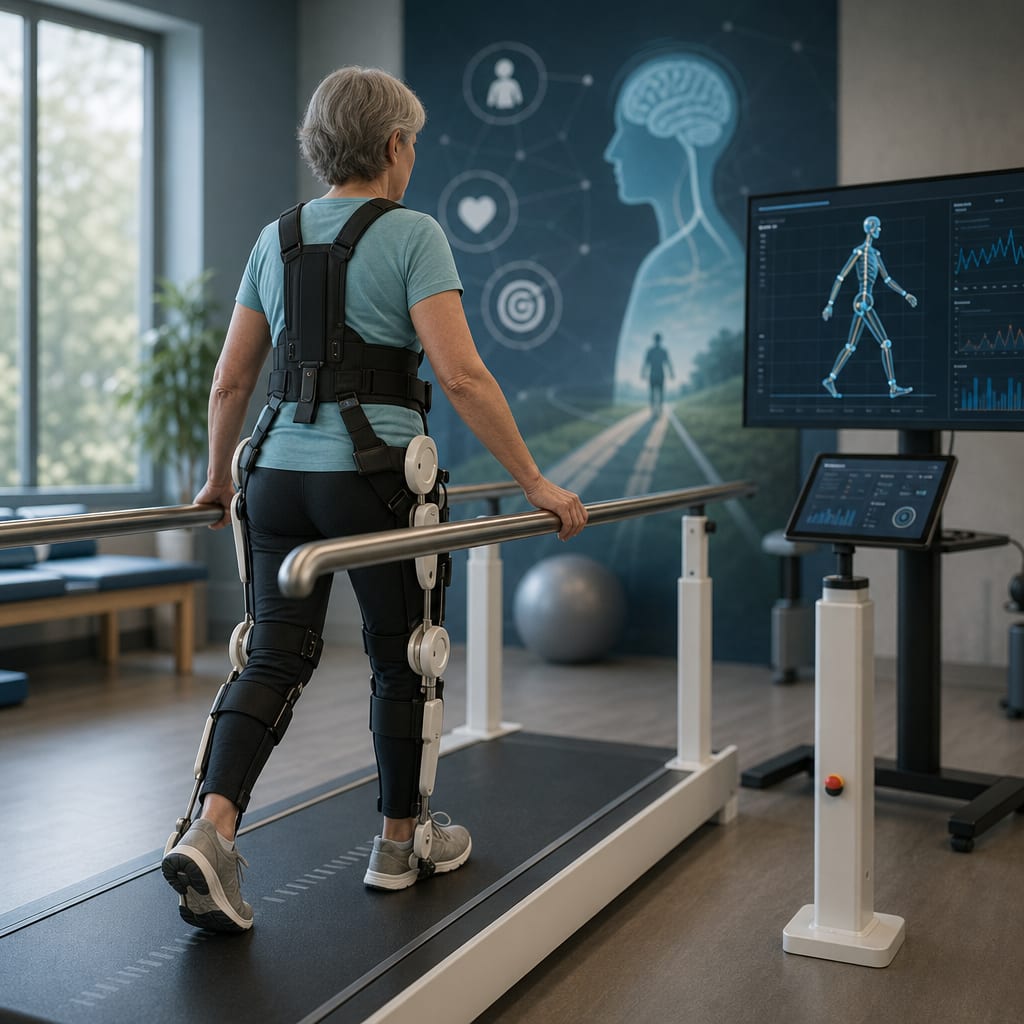
To evaluate the integration of person-centered principles in technology-based interventions for gait rehabilitation after stroke using the Person-Centred Practice Framework (PCPF), highlighting its significance for improving rehabilitation outcomes.
Key Findings:
Gait rehabilitation is a complex process influenced by individual goals, values, and experiences, with specific examples of how these factors manifest.
Existing reviews primarily focus on technological characteristics and clinical outcomes, neglecting the person-centered perspective, which is crucial for holistic rehabilitation.
Person-centered rehabilitation enhances engagement, motivation, and adherence to rehabilitation programs, as evidenced by participant feedback.
Interpretation:
The integration of technology in gait rehabilitation must prioritize person-centered processes to ensure interventions are effective and meaningful for stroke survivors, with implications for practice and future research.
Limitations:
Limited exploration of how technology-based interventions align with person-centered practices, including potential biases in existing literature.
Potential oversight of individual experiences and agency in the context of technological advancements.
Conclusion:
A robust person-centered theoretical framework is essential for guiding the design of rehabilitation programs that effectively integrate technology while respecting individual experiences and needs, emphasizing the alignment of technology with person-centered practices.
For years, chronic stroke patients heard familiar feedback regarding their ability to regain strength and mobility after ischemic strokes caused upper-extremity deficits.