To systematically synthesize evidence regarding the efficacy and safety of antibody-drug conjugates (ADCs) in the treatment of locally advanced or metastatic urothelial carcinoma (la/mUC), highlighting their role in overcoming limitations of existing therapies.
Key Findings:
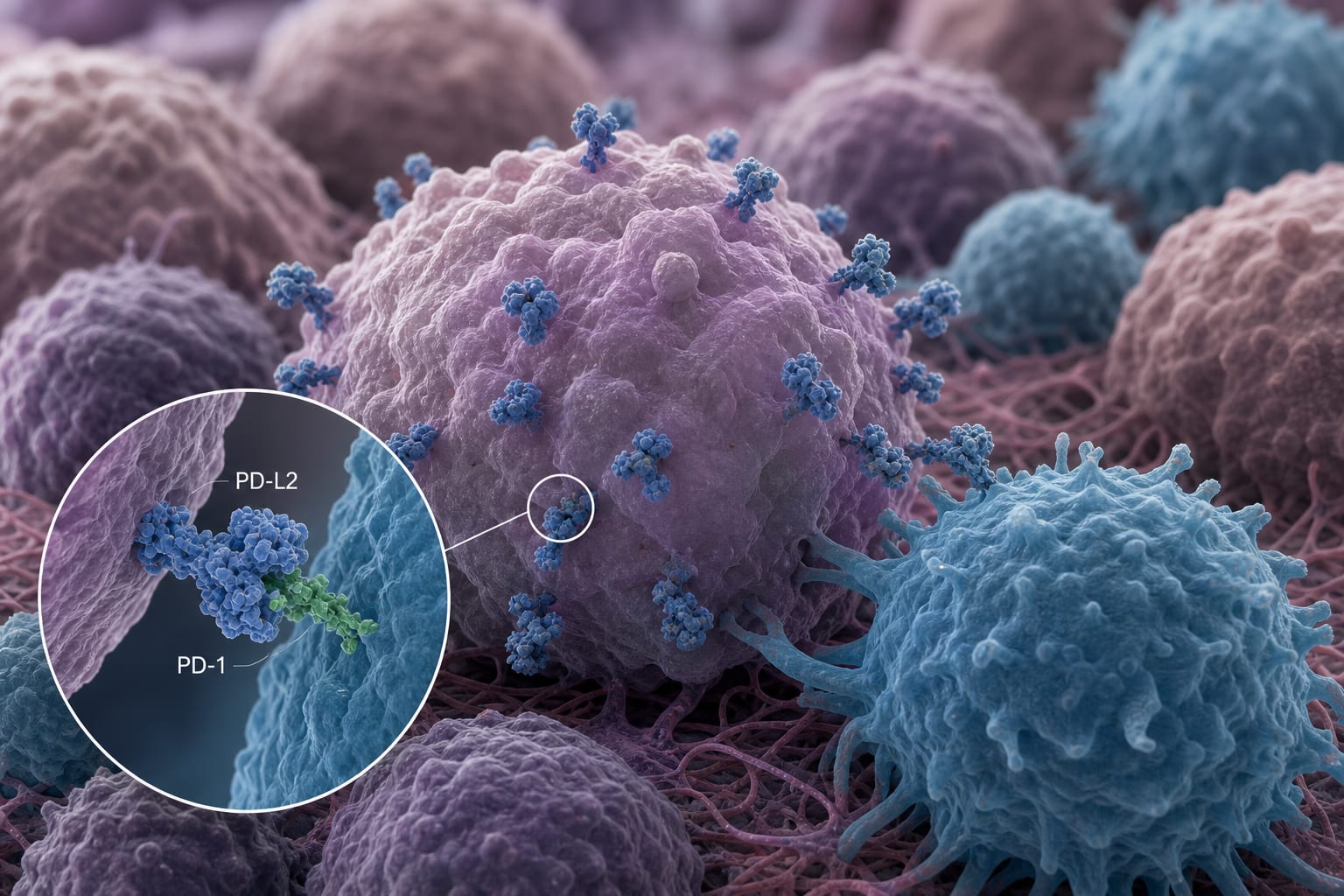
ADCs target specific proteins in urothelial carcinoma, with enfortumab vedotin, sacituzumab govitecan, and disitamab vedotin being the primary agents, which may improve treatment outcomes.
The study identified a significant efficacy-effectiveness gap in translating trial results to routine clinical practice, indicating a need for tailored treatment approaches.
Primary outcome measures included disease control rate (DCR), objective response rate (ORR), and clinical complete response (cCR), with secondary outcomes focusing on safety and treatment-related adverse events.
Interpretation:
The findings highlight the complexities in applying ADC efficacy observed in clinical trials to broader patient populations, emphasizing the need for careful consideration of patient characteristics and treatment contexts.
Limitations:
Potential biases in observational studies and the inherent limitations of meta-analysis may affect the reliability of the findings.
The efficacy-effectiveness gap may limit the generalizability of trial results to the general population, necessitating further investigation.
Conclusion:
The review underscores the importance of synthesizing clinical trial data to better understand the role of ADCs in treating la/mUC, while also calling for further research to address the efficacy-effectiveness gap.