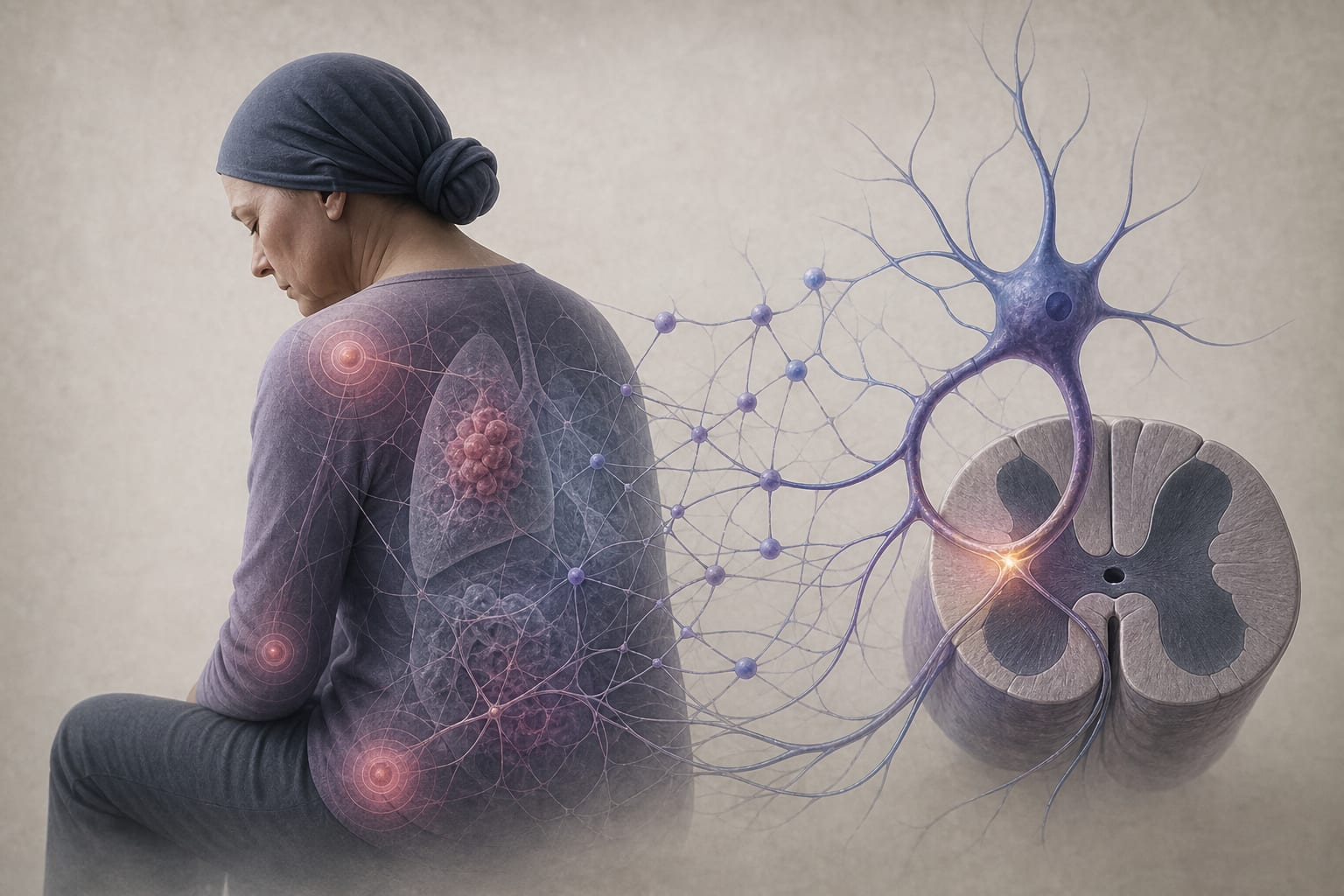
To synthesize current knowledge on the role of gut microbiota in fibromyalgia (FM) and its implications within rheumatic diseases.
Approach:
Review of Literature: The article reviews existing studies linking gut microbiota dysbiosis to fibromyalgia and other rheumatic diseases, highlighting the mechanisms involved.
Key Findings:
Fibromyalgia affects 2%–4% of the population and is characterized by chronic widespread pain, fatigue, and cognitive impairment.
Gut microbiota dysbiosis is implicated in FM, with consistent findings of reduced microbial diversity and altered metabolite profiles, including short-chain fatty acids, bile acids, and tryptophan derivatives.
Patients with FM show a distinct gut microbiota composition compared to healthy controls, with specific taxa being overrepresented or underrepresented.
Lower microbial diversity correlates with greater pain severity and fatigue, while certain taxa are associated with anxiety and depressive symptoms.
Microbiota-targeted interventions such as probiotics, dietary modification, and fecal microbiota transplantation have shown preliminary benefits, though evidence remains limited by small sample sizes and methodological heterogeneity.
Interpretation:
The findings suggest a link between gut microbiota and the pathophysiology of fibromyalgia, warranting further investigation.
Limitations:
Evidence from studies is limited by small sample sizes and methodological heterogeneity.
Individual studies have not consistently identified specific taxa involved in dysbiosis.
Conclusion:
Understanding the role of gut microbiota in fibromyalgia may lead to improved insights into disease mechanisms and potential new treatment strategies.
Federal prosecutors allege that a Florida physician and research staff fabricated clinical trial records that were submitted into database systems used to evaluate investigational drugs.