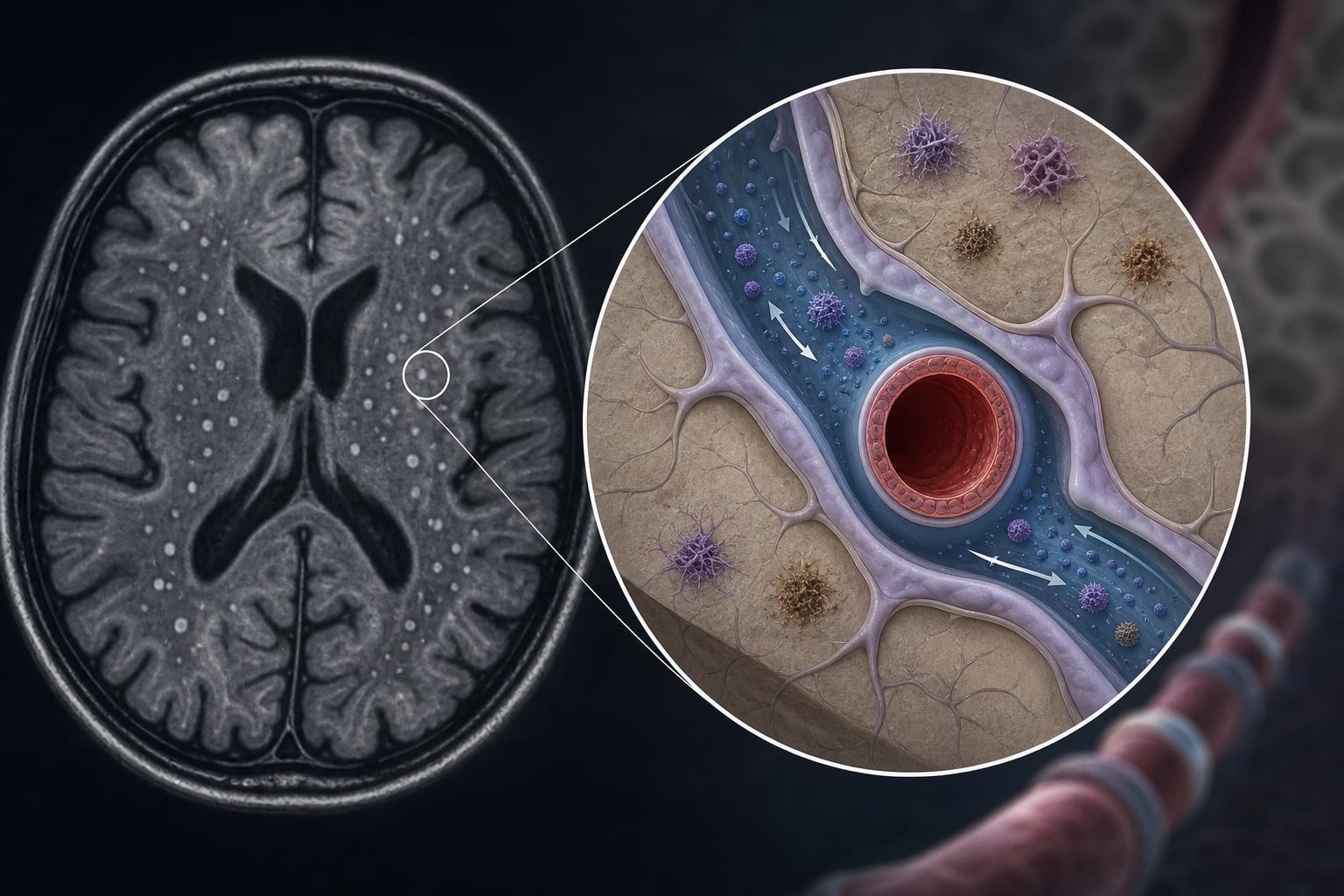
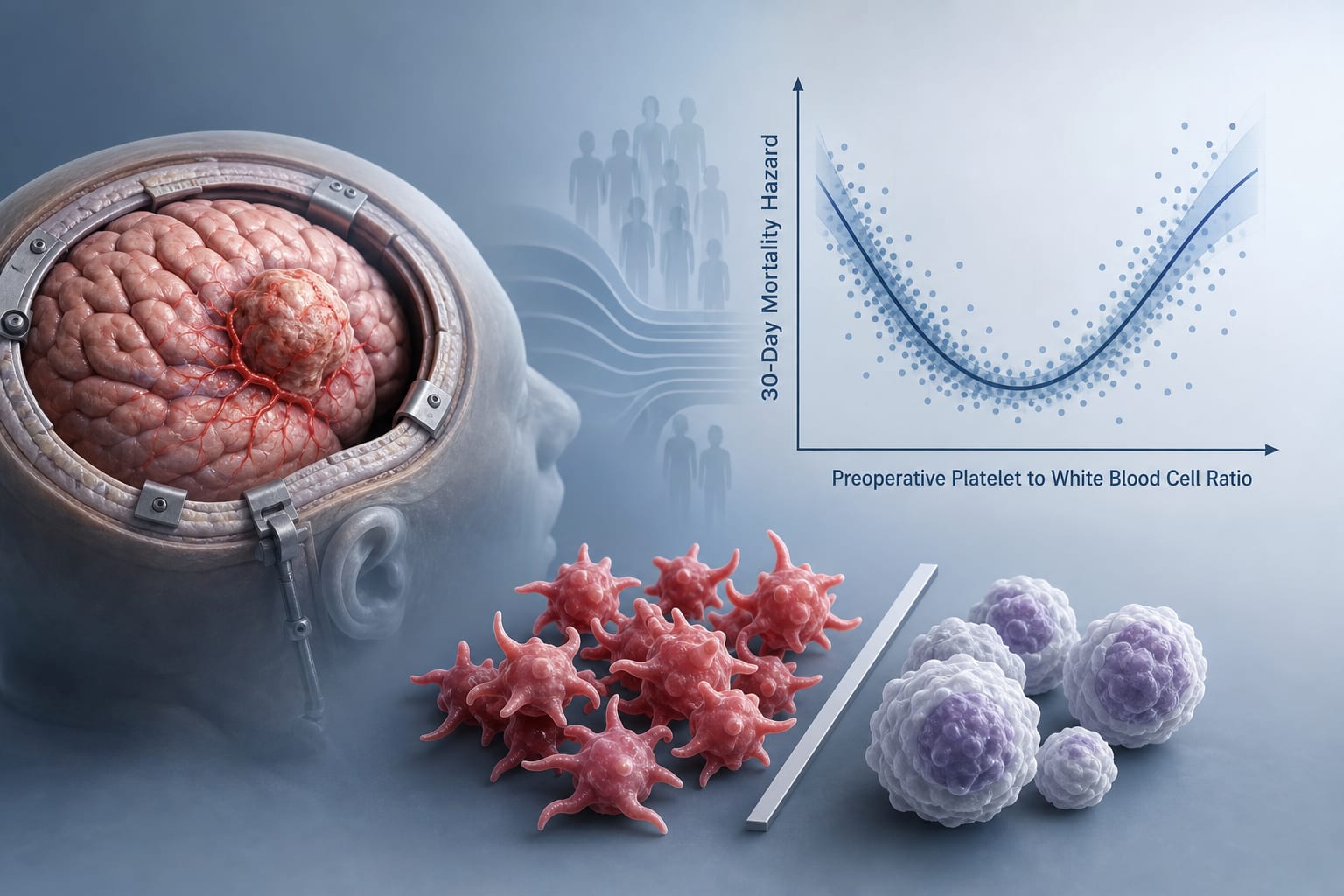
To investigate associations between perivascular spaces (PVS) burden and future biomarker trajectories of amyloid, tau, and white matter hyperintensity (WMH) processes in Alzheimer's disease.
Approach:
Participants: Participants were drawn from the Mayo Clinic Study of Aging (MCSA) and the Mayo Alzheimer's Disease Research Center (ADRC), including individuals aged 30-100 with varying cognitive statuses.
Image Acquisition: Images were acquired on 3T Siemens Prisma scanners using standardized protocols for structural MRI across both cohorts.
Image Processing: A 3-step image processing approach was employed, including affine registration, segmentation using SPM12, and optimization with expanded contrast models.
Key Findings:
PVS burden is linked to an elevated risk of developing dementia, independent of vascular risk factors.
PVS can be detected on MRI earlier than other markers of small vessel disease.
Cerebrovascular dysfunction may accelerate the accumulation of amyloid plaques and tau tangles.
Interpretation:
Limitations:
PVS remains an understudied phenomenon in humans.
Prior studies relied on subjective visual ratings of PVS burden.
by Audrey Low, Jeffrey L. Gunter, Mingzhao Hu, Sheelakumari Raghavan, Scott A. Przybelski, Christopher G. Schwarz, Kejal Kantarci, Val J. Lowe, Ronald C. Petersen, Jonathan Graff-Radford, Clifford R. Jack, Prashanthi Vemuri