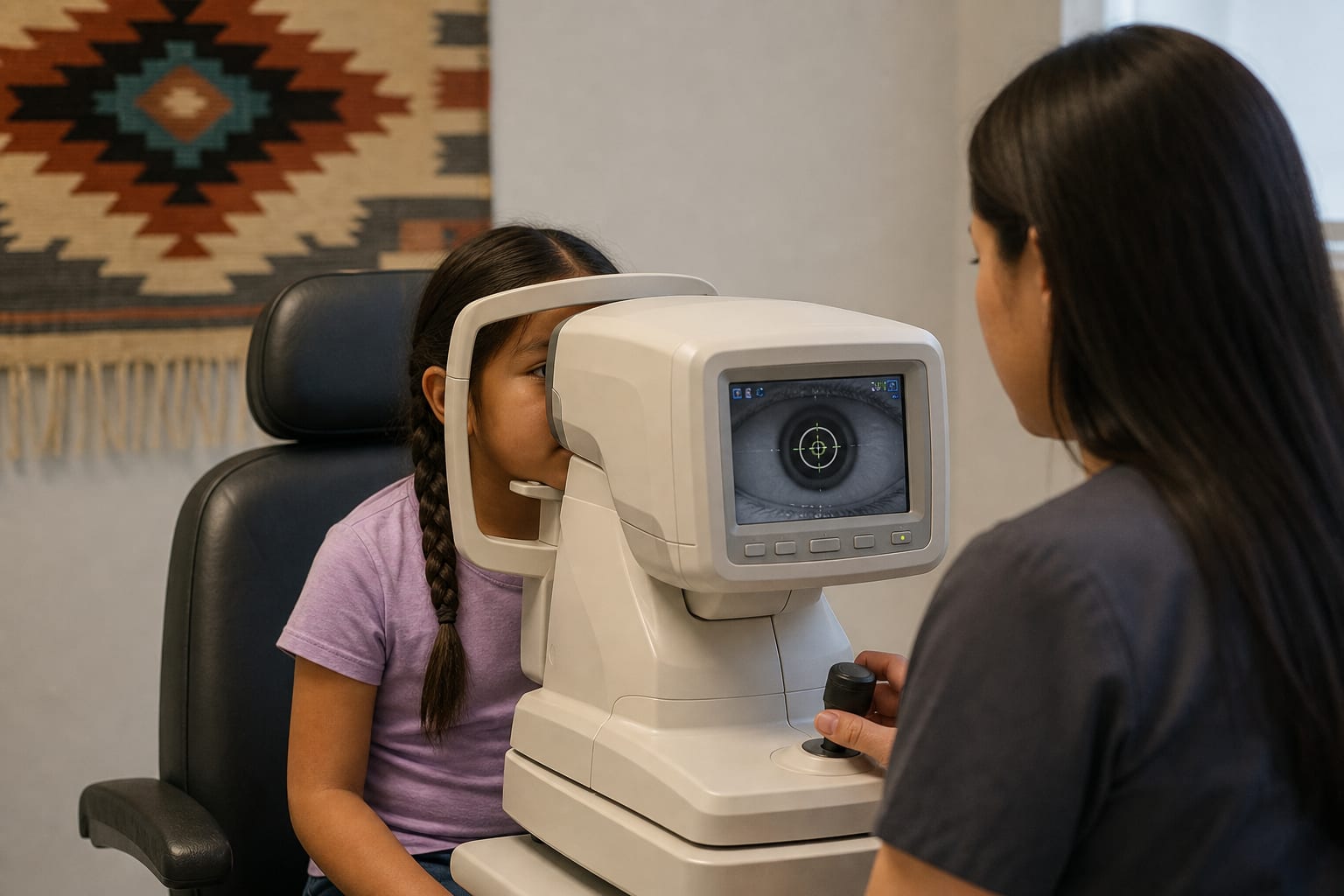
To develop a causal inference framework integrated into neural networks, enhancing the assessment of individual features' influence on predictions related to myopia progression in children.
Key Findings:
The method achieved good performance in predicting myopia progression, with specific metrics to be included.
Clinically plausible causal pathways were identified, providing insights into underlying mechanisms.
Robustness of causal effects was confirmed through refutation experiments with multiple falsification strategies, enhancing reliability.
Interpretation:
Incorporating unit-level causal reasoning into deep learning not only enhances interpretability and reliability of AI systems in clinical settings but also aligns with precision medicine and equitable healthcare goals, emphasizing the importance of these findings.
Limitations:
Datasets are not publicly available due to patient privacy but can be requested, which may limit reproducibility.
The generalizability of the findings may be limited to similar cohorts, necessitating caution in broader applications.
Conclusion:
This work advances the development of transparent and reliable AI systems in healthcare, particularly for childhood myopia, and highlights the need for further research to validate findings in diverse populations.