Less Sitting in Pregnancy Tied to Lower Risk - Summary - MDSpire
Advertisement
Less Sitting in Pregnancy Tied to Lower Risk
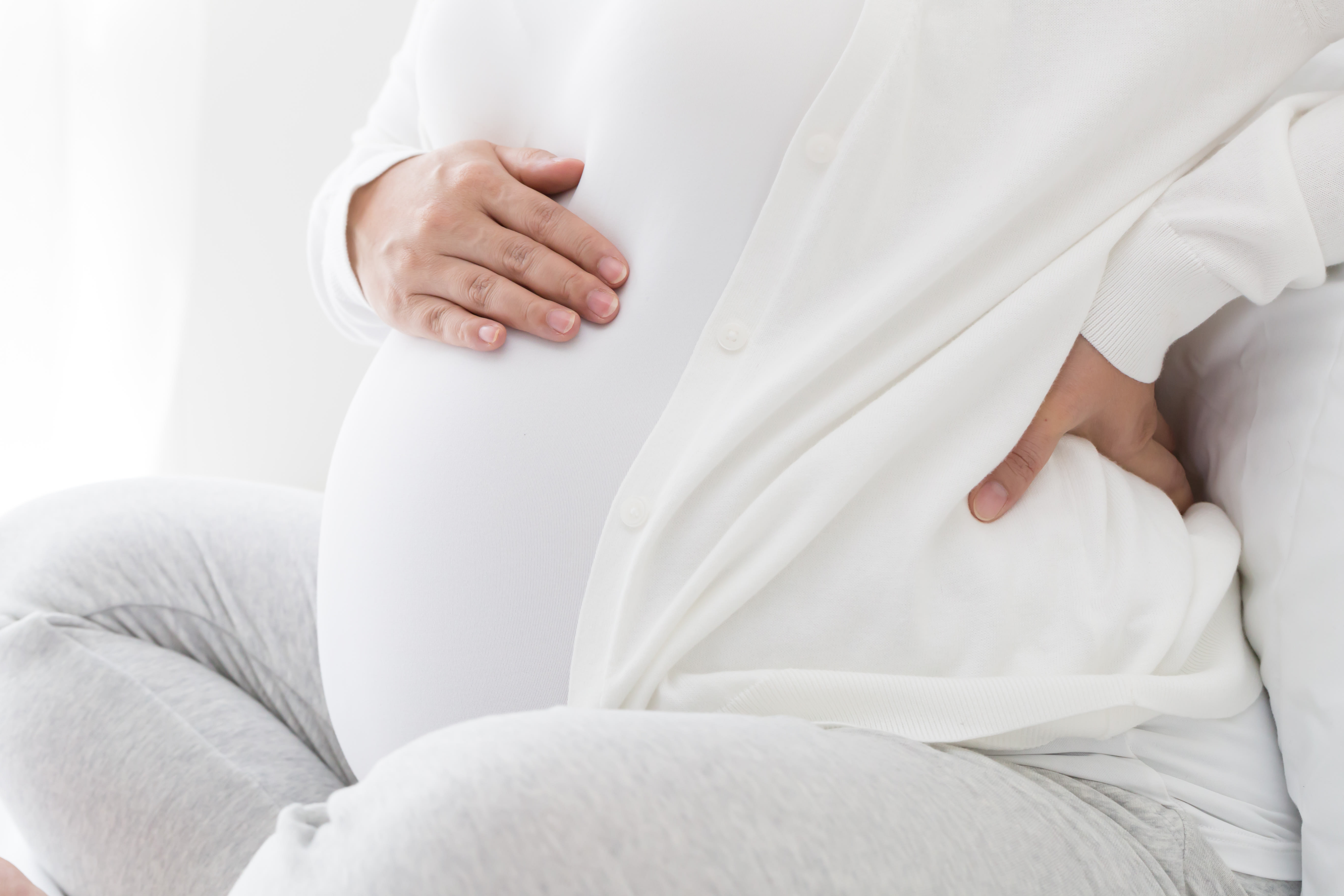
Pregnant patients who sat less and moved more at light intensity had a lower risk of adverse outcomes in a prospective cohort study, but the findings do not prove causation.
To investigate the relationship between sedentary behavior and light-intensity physical activity during pregnancy and the risk of adverse pregnancy outcomes.
Approach:
Key Findings:
Participants with high sedentary patterns (averaging 10-12 hours/day) had more than twice the risk of adverse pregnancy outcomes compared to those with low sedentary patterns (averaging about 7 hours/day).
Light-intensity physical activity showed an inverse relationship with risk; very high LPA (averaging about 7 hours/day) was associated with about half the risk of adverse outcomes compared to low LPA (averaging about 3 hours/day).
Daily step patterns also correlated with risk; moderate and high step-count patterns were associated with lower risk compared to low step-count patterns.
Interpretation:
The study indicates that lower-intensity movement and reduced sedentary time may be relevant to pregnancy health, independent of structured exercise.
Limitations:
The study does not establish specific sitting-time limits, step targets, or LPA doses for clinical recommendations.
The findings for individual outcomes like gestational diabetes, preterm birth, and small for gestational age were too few to evaluate individually.
Conclusion:
The study findings may inform counseling pregnant women to avoid prolonged sitting and to incorporate more movement throughout the day.
“And when one of these measles cases ends up in a low-immunization community, that's when the ember really has a chance to expand and become a wildfire.”
Mendelian randomization analyses linked higher birthweight with greater mid-childhood height but the connection could reflect genetic factors related to skeletal growth.