To assess the association between biologic therapy and the risk of ocular surface diseases in psoriasis patients compared to nonbiologic systemic therapy.
Approach:
Key Findings:
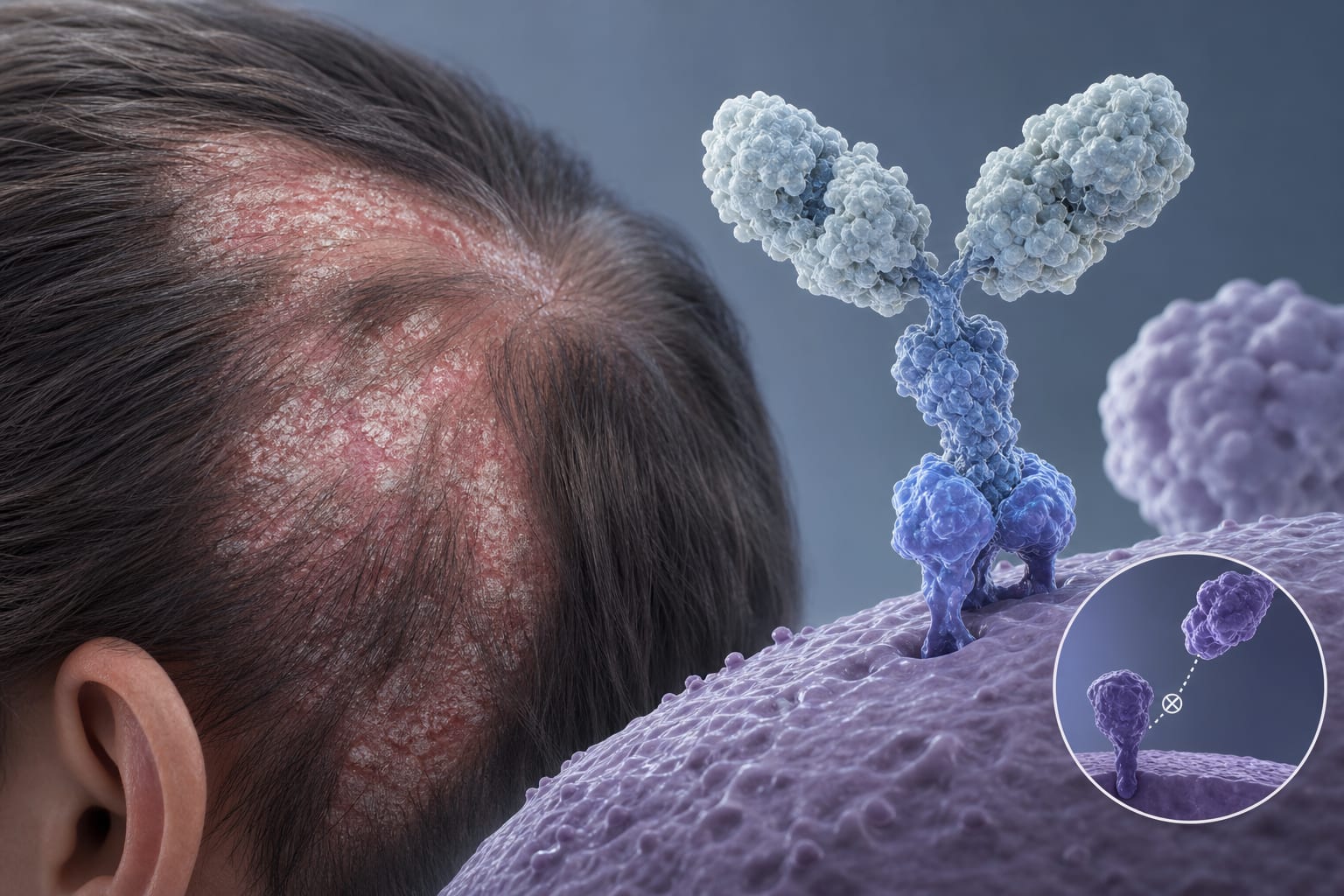
Biologic therapy was associated with a lower risk of dry eye disease, keratitis, and conjunctivitis.
Lower-risk associations were evident by 6 months and persisted for up to 10 years.
Biologic therapy also showed lower risk for external eye diseases like blepharitis and variable reductions in glaucoma and age-related cataract.
No consistent reduction in retinal or vitreous diseases was found, though some regional analyses indicated lower risk for age-related macular degeneration.
Interpretation:
The findings suggest that biologic therapy in psoriasis may reduce the risk of ocular surface diseases, which could influence treatment decisions and interdisciplinary management.
Limitations:
The study is observational and cannot establish causation.
Potential misclassification from ICD-10 coding.
Possible residual confounding related to psoriasis severity and treatment adherence.
Heterogeneity within broad diagnostic categories like keratitis.
Separate matching for each follow-up interval may introduce selection and survival bias.
Conclusion:
Biologic therapy in psoriasis is associated with a lower risk of ocular surface disease, warranting consideration of ocular outcomes in treatment decisions.
Approval expands risankizumab use to pediatric plaque psoriasis and psoriatic arthritis and includes a new 55-mg prefilled syringe for weight-based dosing in patients weighing less than 40 kg.