To synthesize current understanding of the multifactorial causes of inflammatory bowel disease (IBD) and its pathogenesis, emphasizing the integration of genetic, environmental, microbial, and immune factors.
Key Findings:
IBD results from a complex interplay of genetic, environmental, microbial, and immune factors, with specific examples of each.
Genetic predisposition includes common variants and monogenic forms affecting immunity and epithelial integrity, with implications for treatment.
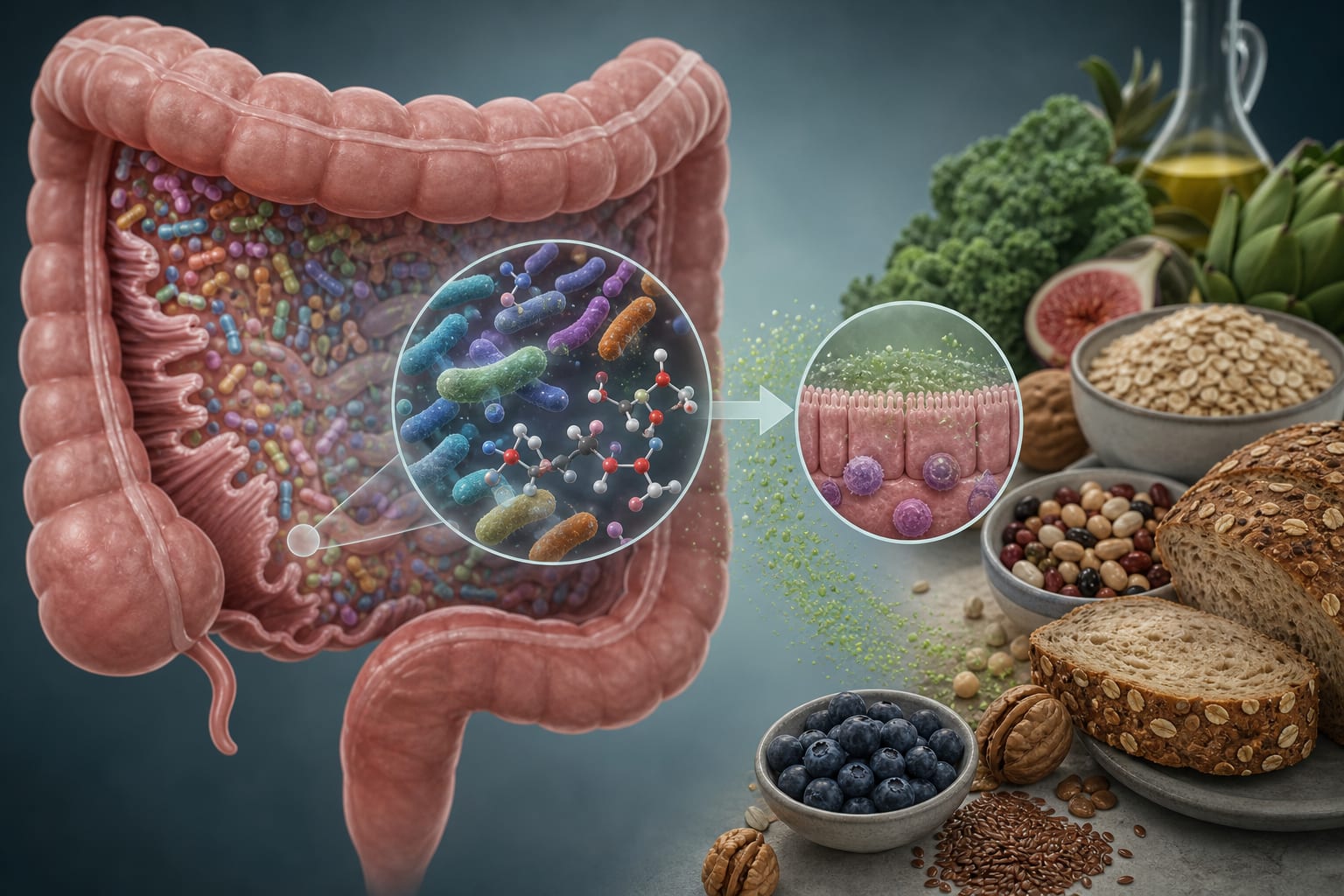
The gut microbiome plays a crucial role in maintaining gut health, and dysbiosis is linked to IBD, affecting immune responses.
Environmental factors increasingly contribute to the onset and progression of IBD, highlighting the need for comprehensive research.
Interpretation:
A comprehensive understanding of IBD requires integrating genetic, microbiome, immune, and environmental perspectives to develop targeted therapies that address the multifactorial nature of the disease.
Limitations:
Current knowledge on disease mechanisms is incomplete, which limits therapeutic advancements.
Most genetic studies have focused on European populations, limiting applicability to other demographics and necessitating broader research.
Technological challenges persist in identifying causal genes and understanding their roles, which hinders progress in treatment development.
Conclusion:
Further research is essential to elucidate the multifactorial nature of IBD, which will aid in developing effective therapies and highlight the importance of interdisciplinary approaches.