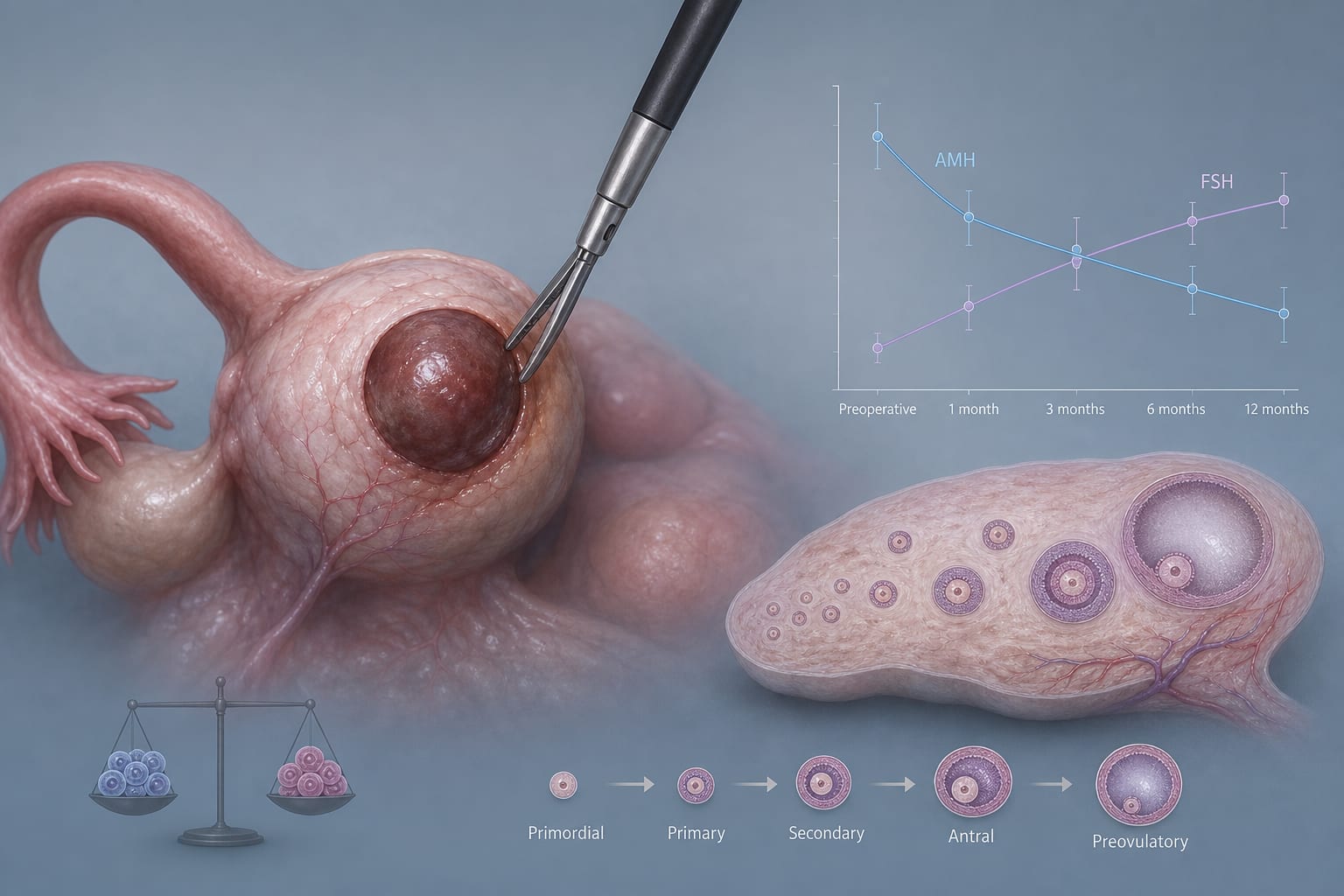
To highlight the diagnostic challenges and treatment approach for intestinal obstruction due to endometriosis, emphasizing its rarity and significance.
Key Findings:
Intestinal obstruction due to endometriosis is rare, occurring in 0.1–0.7% of cases, necessitating awareness among clinicians.
Diagnostic delays are common due to nonspecific gastrointestinal symptoms, which can complicate timely treatment.
Multidisciplinary collaboration and GnRHa therapy were crucial for diagnosis and management, underscoring the need for integrated care.
Interpretation:
This case underscores the importance of considering endometriosis in patients with unexplained intestinal obstruction and the value of a multidisciplinary approach in diagnosis and treatment, suggesting further research in this area.
Limitations:
The rarity of the condition may limit generalizability, and further studies are needed to validate findings.
Long-term outcomes post-treatment were not fully explored, indicating a gap in understanding the condition's progression.
Conclusion:
The study emphasizes the diagnostic challenges of bowel endometriosis and the effectiveness of a multidisciplinary team approach combined with GnRHa therapy for timely diagnosis and treatment, advocating for increased awareness in clinical practice.