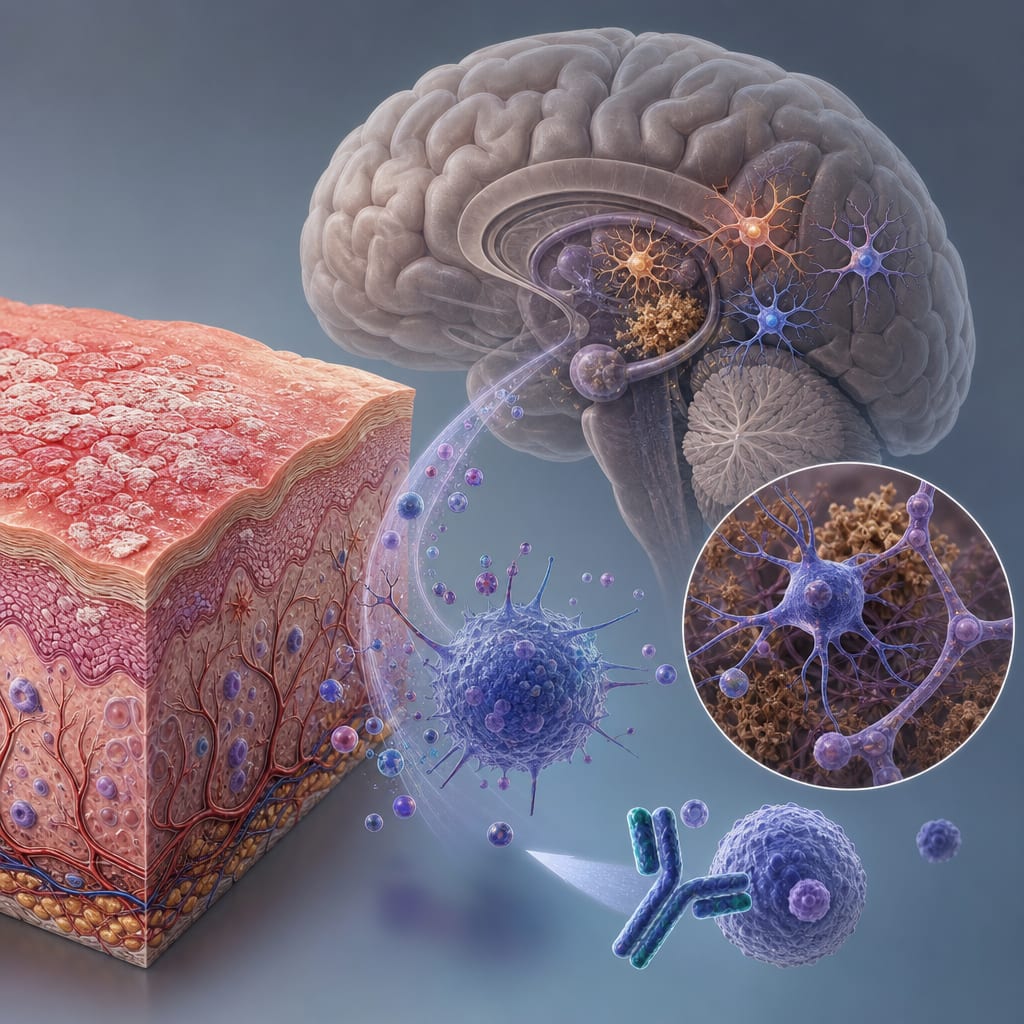
To identify the interaction sites between ASC and Aβ, develop a vaccine targeting these sites, and assess its immunogenicity and therapeutic effectiveness, including potential behavioral outcomes.
Key Findings:
The C-terminal segment of Aβ (residues 29-42) and the pyrin domain of ASC are critical for their interaction.
Eight nanoparticle vaccines targeting Aβ C-terminal epitopes were developed, with the Ferritin-based Aβ vaccine showing the strongest immune response, indicating its potential for further development.
The Aβ-ASC binding region is a viable target for therapeutic intervention in Alzheimer's disease, as immunization against this site can mitigate Aβ aggregation and its neurotoxic effects, paving the way for future clinical applications.
Limitations:
The study primarily involved mouse models, which may not fully replicate human Alzheimer's disease pathology.
Further research is needed to evaluate long-term effects and safety of the vaccine in larger and more diverse populations, including human clinical trials.
Conclusion:
Targeting the Aβ-ASC interaction presents a promising therapeutic strategy for Alzheimer's disease, potentially leading to new treatment avenues.