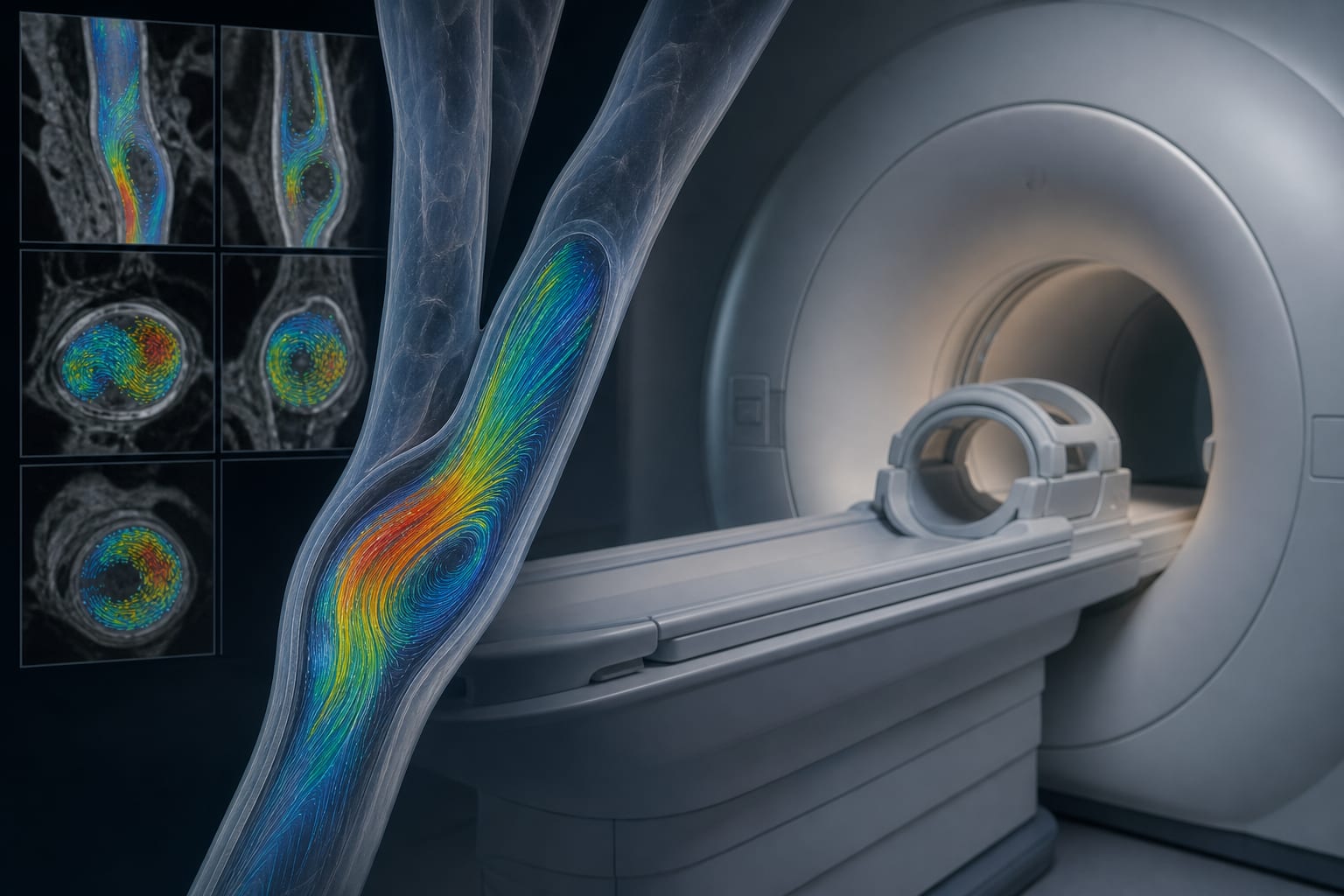
To assess carotid hemodynamic changes in hypertriglyceridemic patients with low cardiovascular risk using 4D Flow MRI.
Approach:
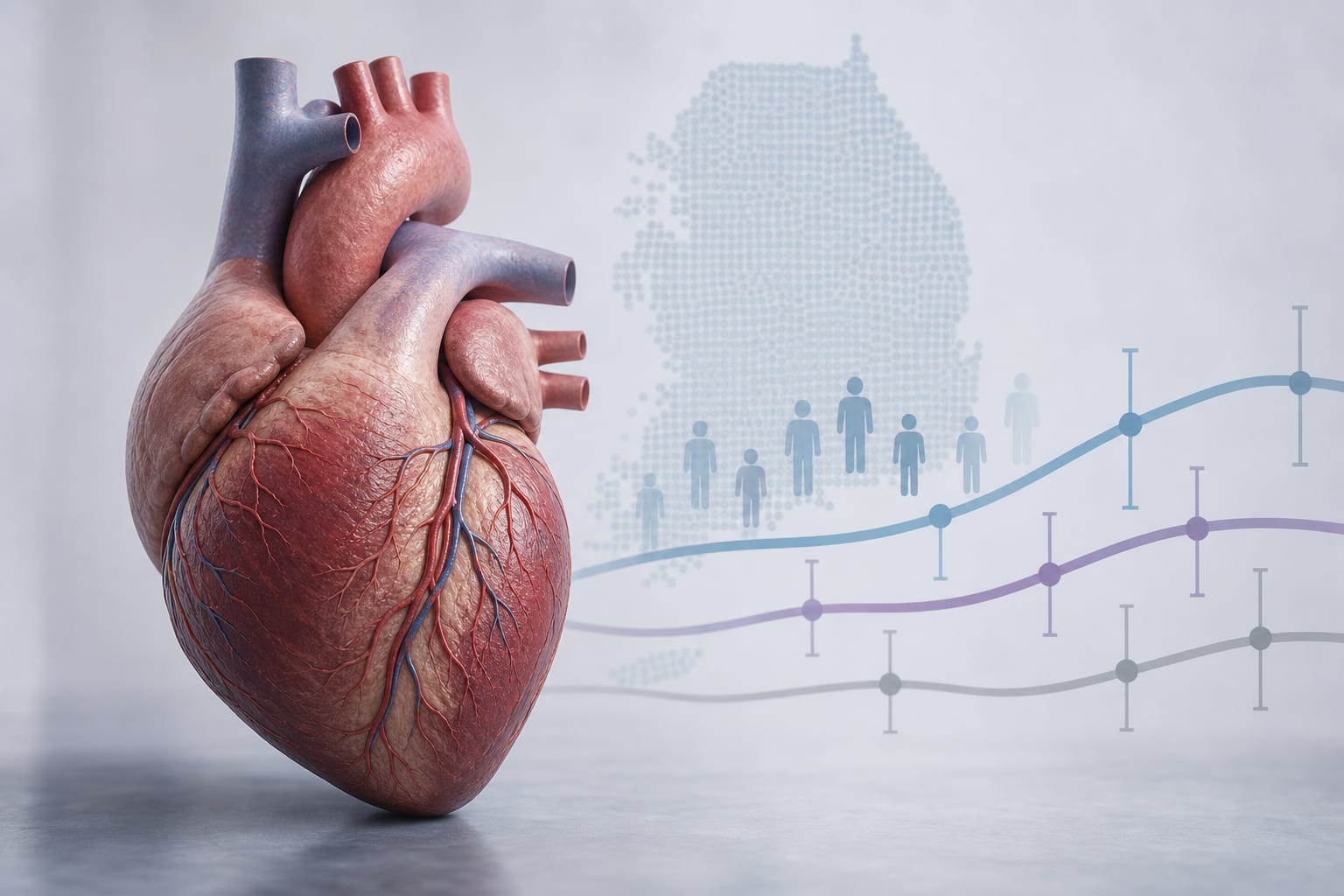
Study Design: A prospective study enrolling 180 participants aged 55 years or younger with low cardiovascular risk, categorized into three groups based on triglyceride levels.
Data Acquisition: 4D Flow MRI data were collected using a 3 T MRI scanner to measure hemodynamic parameters.
Statistical Analysis: Statistical analysis included the Mann–Whitney U-test, Kruskal–Wallis H-test, ANOVA, mixed-effects models, and multiple linear regression to evaluate differences and associations.
Key Findings:
Significant differences in WSSmax and WSSmean across triglyceride groups.
In the severely elevated TG group, WSSmax and WSSmean were significantly higher than in normal and elevated TG groups (p < 0.001).
TG levels remained independently associated with WSSmax and WSSmean after adjusting for covariates.
Interpretation:
TG levels are independently associated with carotid WSS parameters, particularly in individuals with severely elevated TG.
Limitations:
Exclusion of participants with certain medical histories that could affect hemodynamics.
Study limited to individuals aged 55 years or younger, which may not represent older populations.
Conclusion:
The study indicates a relationship between triglyceride levels and carotid hemodynamics, with significant findings in patients with severely elevated triglycerides.
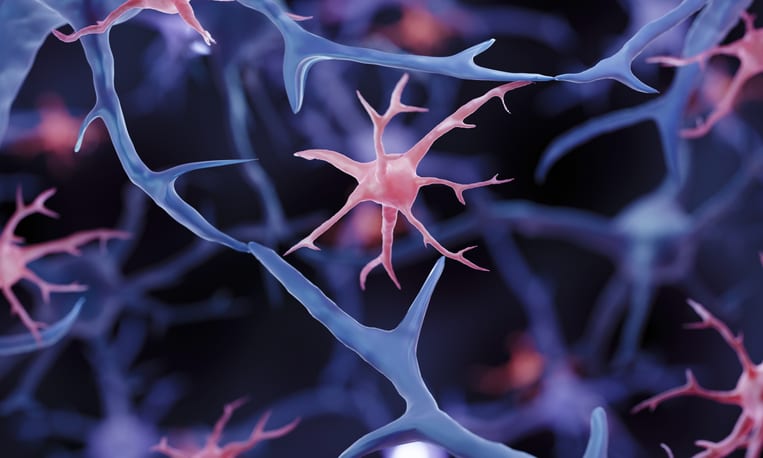
Plasma proteomic models of more than 40 cell types were associated with incident Alzheimer's disease, amyotrophic lateral sclerosis, cancer, and mortality across three large cohorts.