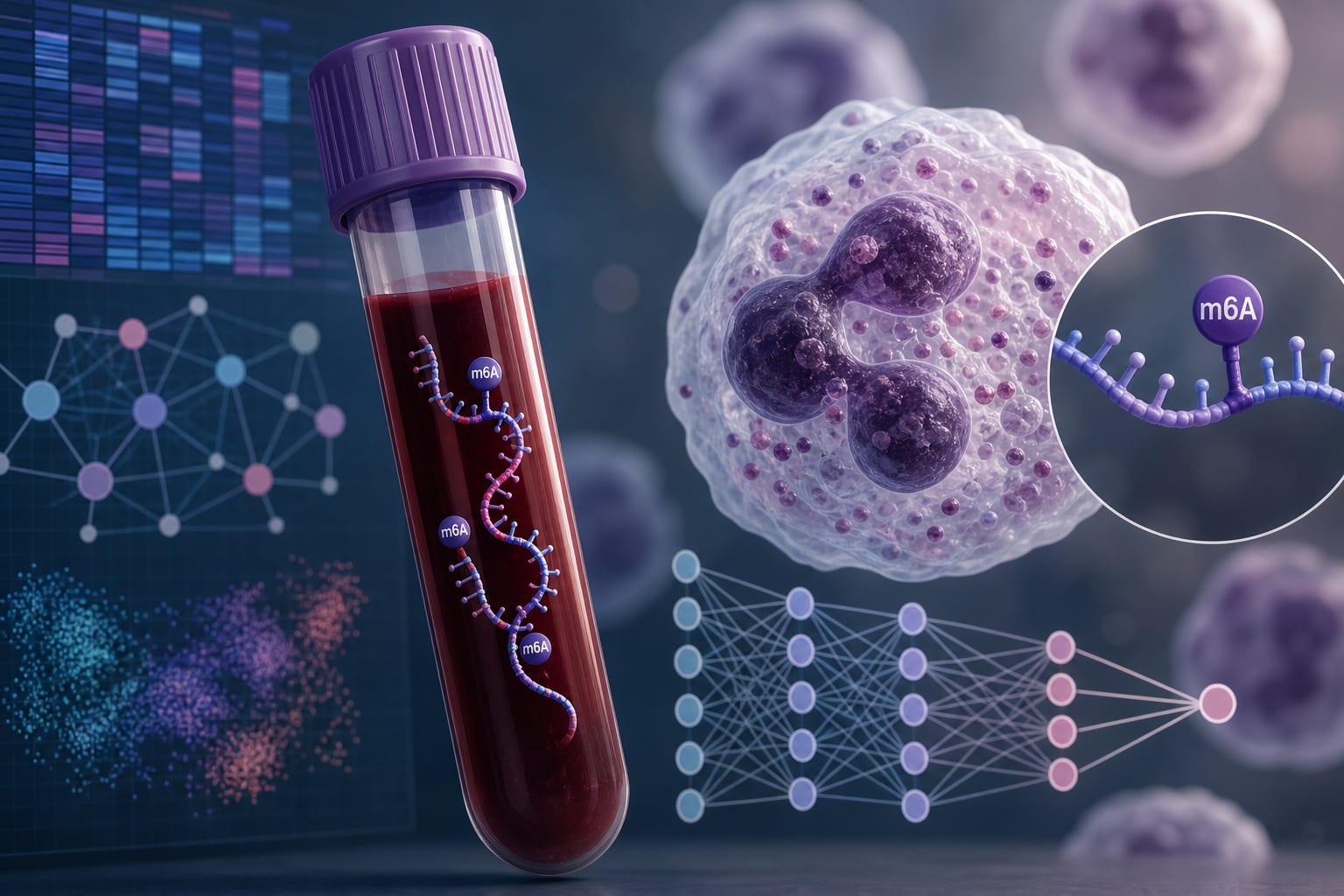
To integrate multi-cohort transcriptomic, single-cell, and experimental data to identify diagnostic signature genes for septic shock, establish a peripheral blood molecular diagnostic model, and elucidate the m6A regulatory mechanisms of key genes, aiming to improve early diagnosis and treatment.
Key Findings:
76 sepsis-shock-associated candidate genes were identified, enriched in the bacterial defense pathway, indicating a strong immune response.
Five robust candidate genes (S100A12, MMP8, PGLYRP1, CEACAM8, MMP9) were selected, which may serve as potential biomarkers.
The ANN model achieved high AUC across multiple cohorts, demonstrating its diagnostic potential.
All five genes showed significantly elevated mRNA and protein levels in clinical sepsis patients, supporting their relevance.
Significant neutrophil expansion was observed, with the five genes predominantly enriched in neutrophils, suggesting their role in sepsis pathology.
Interpretation:
The study established a diagnostic signature for septic shock comprising five neutrophil-associated genes, revealing the regulatory role of the METTL14/YTHDF1-mediated m6A-S100A12 axis in neutrophils, which could inform future therapeutic strategies.
Limitations:
The study relies on publicly available datasets which may have inherent biases, such as sample selection and processing differences.
The generalizability of the findings to broader populations needs further validation through prospective studies.
Conclusion:
The METTL14/m6A pathway may serve as a potential diagnostic and therapeutic target for septic shock, warranting further investigation into its clinical applications.