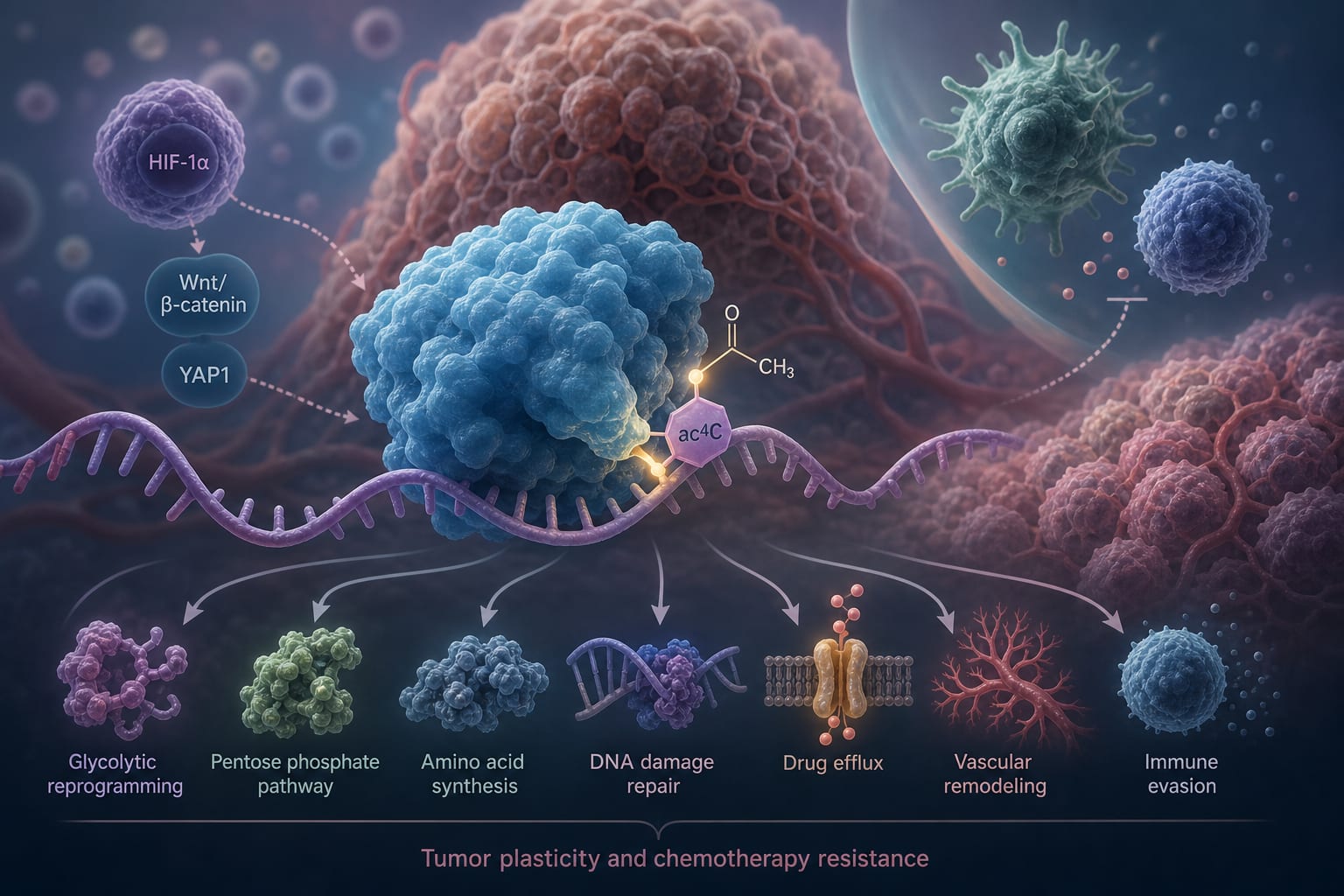
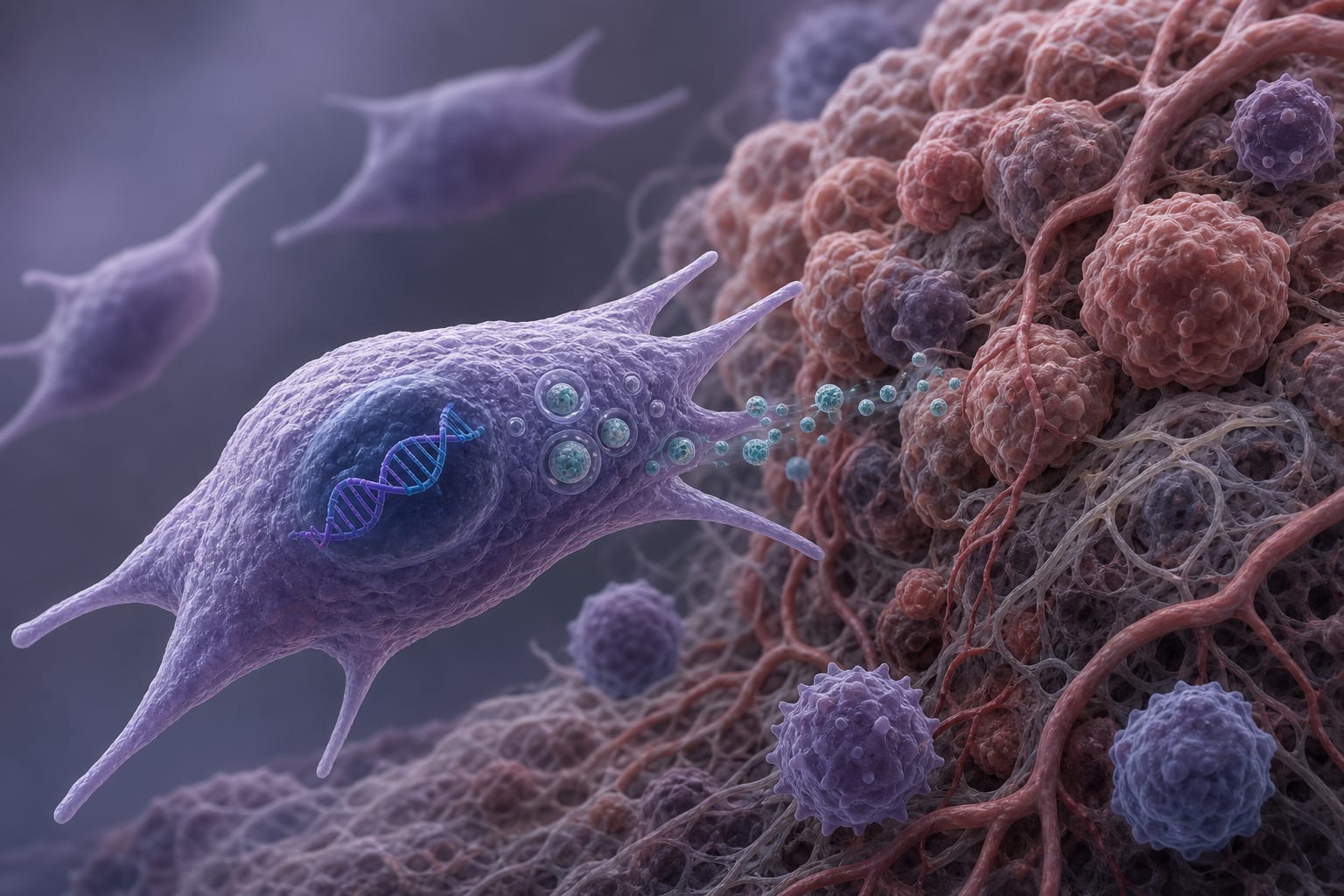
To explore the role of glycolytic reprogramming in cancer, particularly its impact on the tumor microenvironment and immune interactions, including nutrient competition and immune cell functionality.
Key Findings:
Glycolytic reprogramming organizes the tumor immune microenvironment beyond being a metabolic hallmark, influencing immune cell behavior.
Glucose competition and lactate accumulation impair T-cell function while promoting immunosuppressive programs, affecting overall immune response.
Combining tumor glycolysis restriction with immune metabolic support may enhance responses to cancer immunotherapy, suggesting a synergistic approach.
Interpretation:
Glycolytic reprogramming is a central process linking tumor metabolism with immune regulation and therapy resistance, necessitating a broader understanding of its implications for treatment strategies.
Limitations:
The study does not address all mechanisms of immune escape, focusing primarily on metabolic factors.
Further research is needed to fully elucidate the complex interactions between tumor metabolism and immune responses, including non-metabolic factors.
Conclusion:
Targeting cancer metabolism may have significant implications for improving antitumor immunity and therapeutic outcomes.