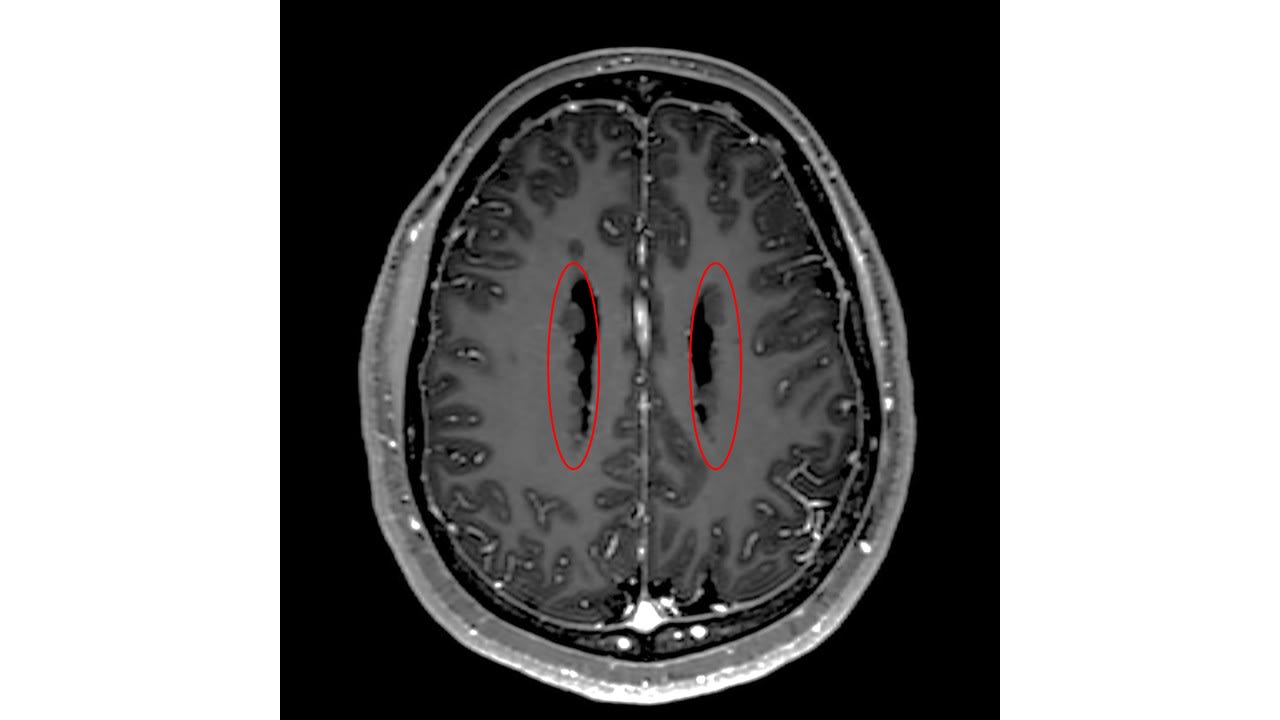
To evaluate the outcomes of immediate titanium mesh cranioplasty following debridement of post-craniotomy infections compared to delayed cranioplasty, specifically focusing on infection rates and complications.
Key Findings:
Nineteen patients included, with a median follow-up of 2 years.
Two patients required additional debridement due to persistent infection.
Fourteen out of nineteen patients achieved long-term resolution without further procedures.
Immediate titanium mesh cranioplasty resulted in a lower infection rate (5%) compared to delayed cranioplasty (11.5%).
Interpretation:
Immediate titanium mesh cranioplasty may reduce complications associated with delayed cranioplasty, such as vulnerability of the unprotected brain and cosmetic deformities, thereby improving patient outcomes.
Limitations:
Small sample size of nineteen patients.
Retrospective nature of the study may introduce bias.
Potential confounding factors affecting infection rates were not controlled.
Conclusion:
Immediate titanium mesh cranioplasty is a viable option that can mitigate complications associated with delayed cranioplasty after post-craniotomy infections, suggesting a need for broader adoption in clinical practice.
Baptist Health Foundation announced that it has received a $2 million donation from Anthony and Joyce Esernia to establish a new endowed chair at Baptist Health Miami Neuroscience Institute.
Epilepsy remains a life-altering condition, particularly due to the unpredictable nature of seizures and their cumulative impact on cognition, independence and quality of life.