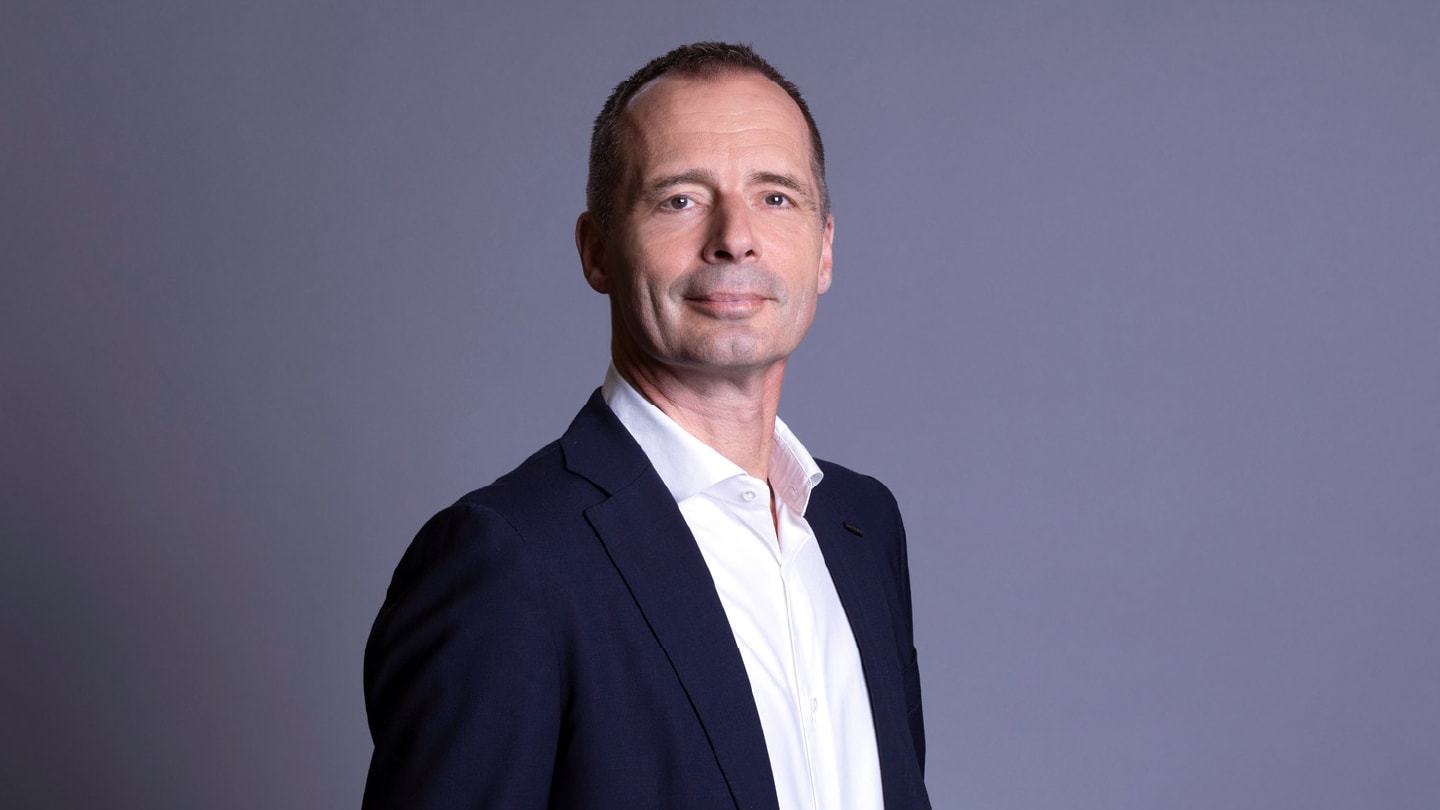
Franchina describes his research focus, views on analytical science, and experiences that have shaped his career.
Approach:
Research focus: He develops and evaluates application-driven workflows that connect sample preparation, separation, quantification, and data processing for targeted and non-targeted environmental analysis and bioanalysis.
Analytical challenge: He emphasizes distinguishing sample-derived signals from environmental contamination, handling artifacts, and noise, while assessing whether results are reliable, reproducible, and adequately identified.
Emerging tools: He expects generative and machine-learning tools to become integrated into analytical workflows and instruments, while expressing concern that speed could come at the expense of understanding.
Key Findings:
Greater instrumental sensitivity reveals more features and constituents, including emerging contaminants, but detection alone does not establish what a signal means or where it originated.
Franchina argues that analytical results require validation, reproducibility assessment, compound identification, and clear limits on what conclusions they support.
He says moving from instrumental method development to application-driven workflows broadened his understanding of the analytical pipeline and its purpose.
He views mentorship and scientific exchange as important to professional growth and calls for research evaluation to prioritize depth over volume.
Interpretation:
The interview presents Franchina’s perspective that analytical science must connect increasingly sensitive measurements to reliable, interpretable knowledge, while retaining understanding as workflows adopt machine-learning tools.
Limitations:
This is an interview presenting Franchina’s views, not a research study reporting methods or experimental results.
The context provides no publication date or source URL.
Conclusion:
Flavio Antonio Franchina is an Associate Professor at the University of Ferrara, Italy.