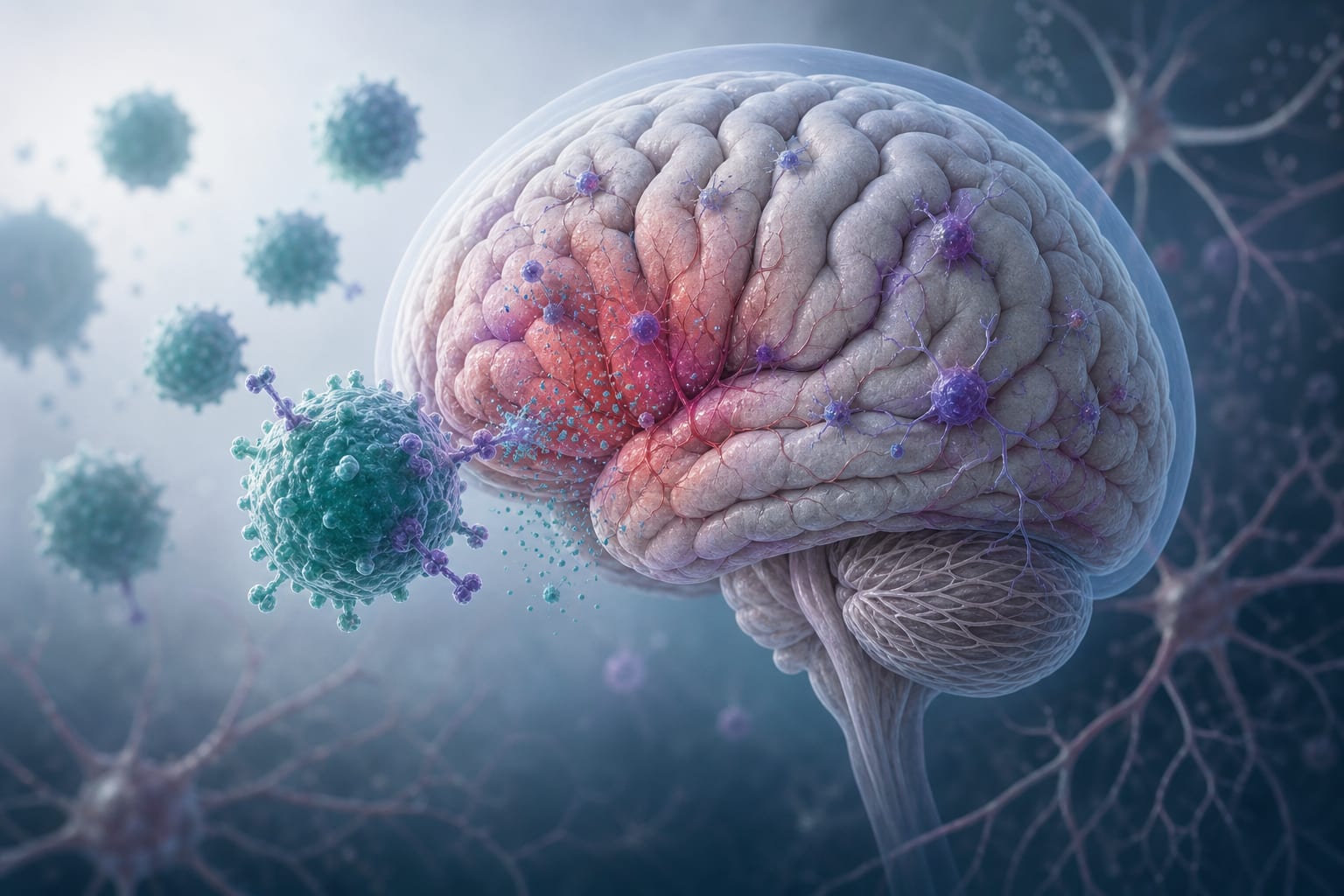
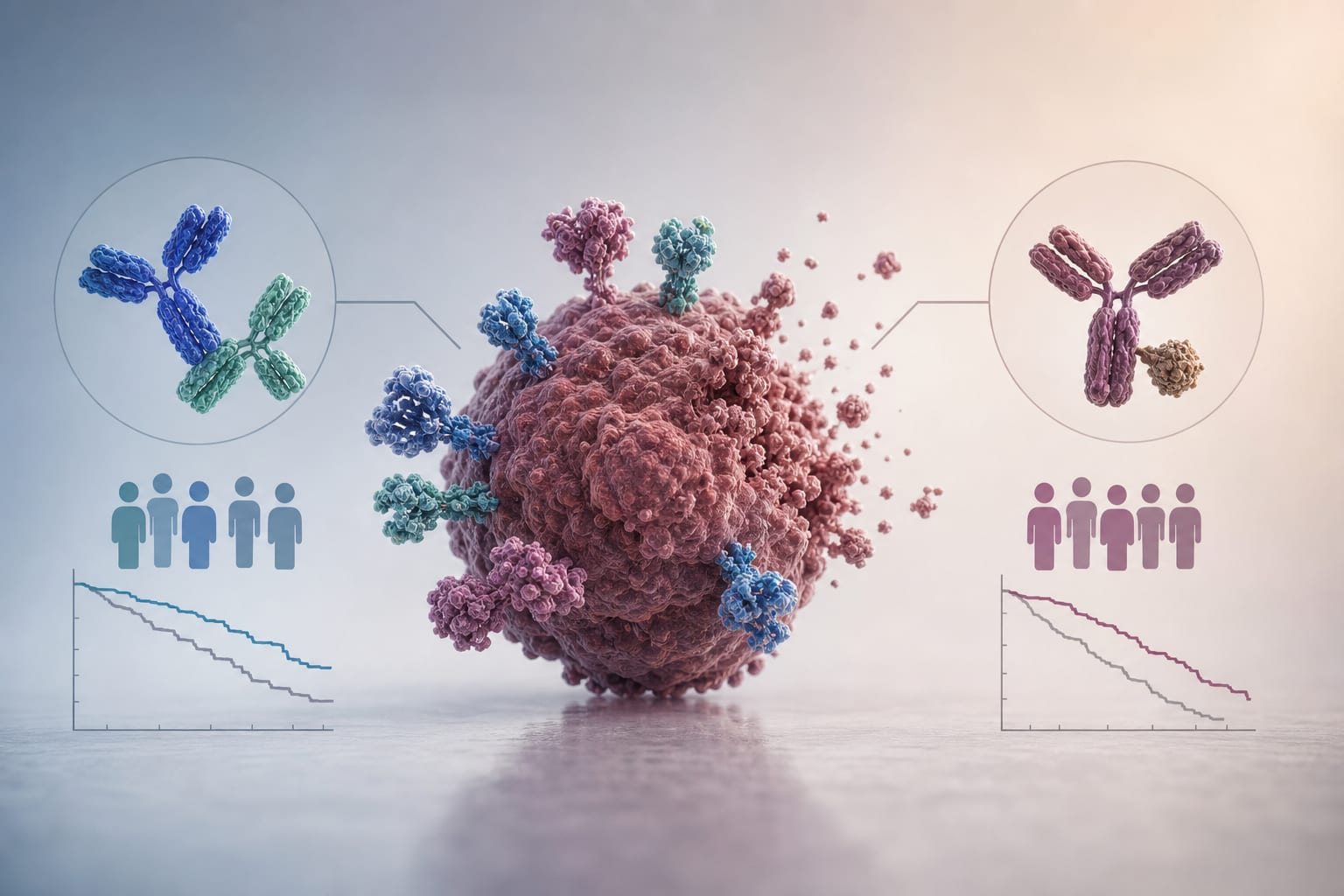
To address emerging insights into CAR T-cell associated neurotoxicity, particularly focusing on immune effector cell-associated neurotoxicity syndrome (ICANS) and its management, emphasizing the need for improved detection and management strategies.
Approach:
Overview of ICANS: Discusses the clinical manifestations and prevalence of ICANS, emphasizing its significance as a neurological complication of CAR T-cell therapy.
Late-onset Neurotoxicity: Highlights distinct and rare late-onset neurotoxicity syndromes associated with BCMA-directed CAR T-cell therapies.
Pathogenesis of ICANS: Explores the multifactorial nature of ICANS pathogenesis, including cytokine-mediated mechanisms and potential on-target, off-tumor toxicity.
Clinical Challenges: Addresses the challenges in clinical assessment and treatment of ICANS, advocating for interdisciplinary collaboration.
Research Contributions: Summarizes five articles from the second volume that focus on detection, treatment optimization, and differential diagnosis of neurotoxicity.
Key Findings:
ICANS occurs in approximately 27% of treated patients, with 10.5% experiencing high-grade symptoms, according to a meta-analysis of 75 trials.
Late-onset neurotoxicity syndromes can emerge, particularly with BCMA-directed therapies, leading to significant morbidity.
The Berlin-Hannover ICANS severity assessment (BHISA) tool shows improved sensitivity for detecting neurocognitive changes.
Early intrathecal dexamethasone and methotrexate administration shows a 92.3% response rate in severe or steroid-refractory ICANS.
Differentiating viral encephalitis from ICANS remains complex due to overlapping clinical features.
Interpretation:
The editorial emphasizes the need for improved detection and management strategies for CAR T-cell associated neurotoxicity, particularly ICANS.
Limitations:
Clinical assessment of ICANS remains challenging due to overlapping clinical features with other encephalopathies.
Differential diagnosis from other encephalopathies is significant.
Conclusion:
The editorial calls for collaborative efforts among specialists to enhance management approaches for CAR T-cell neurotoxicity.