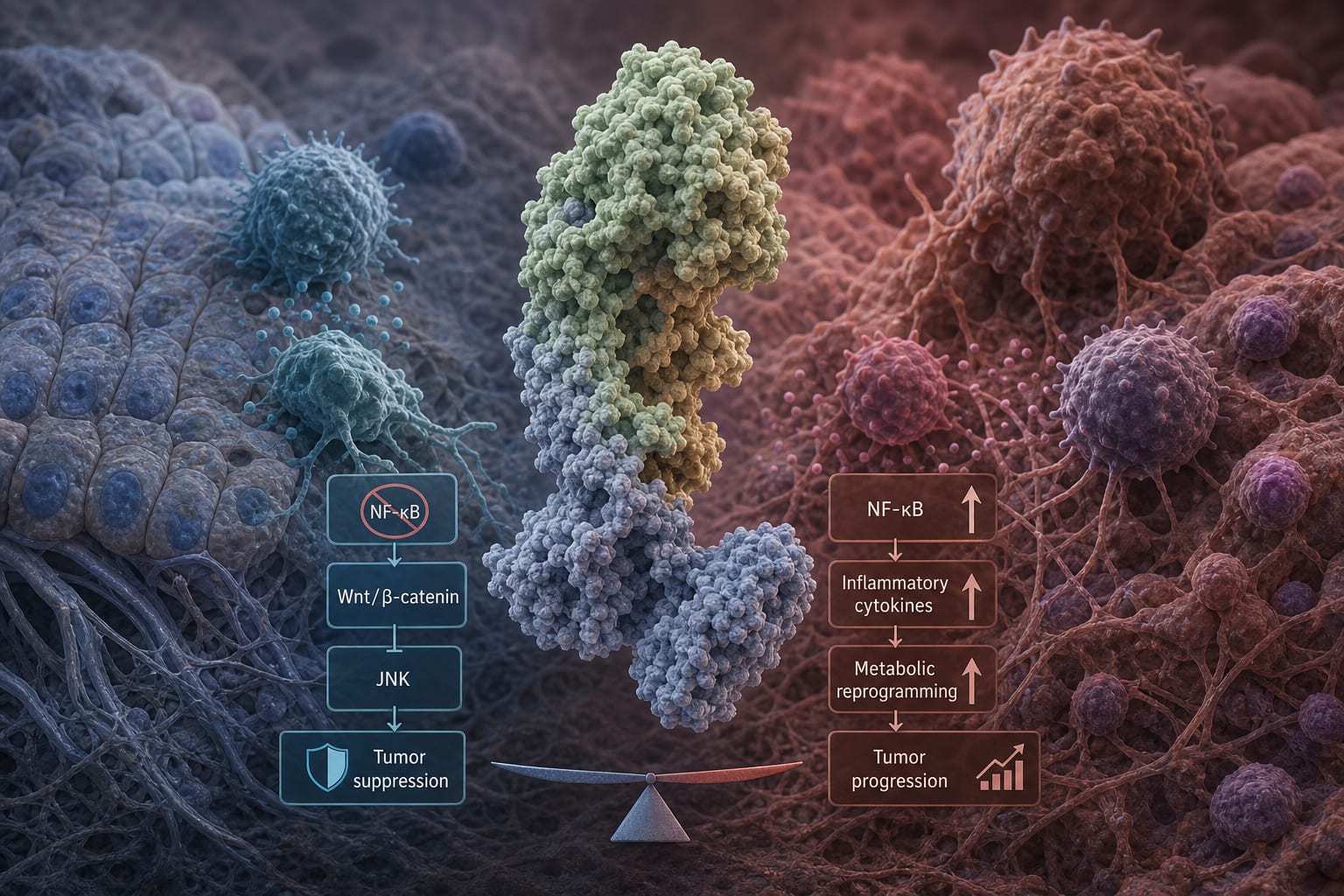
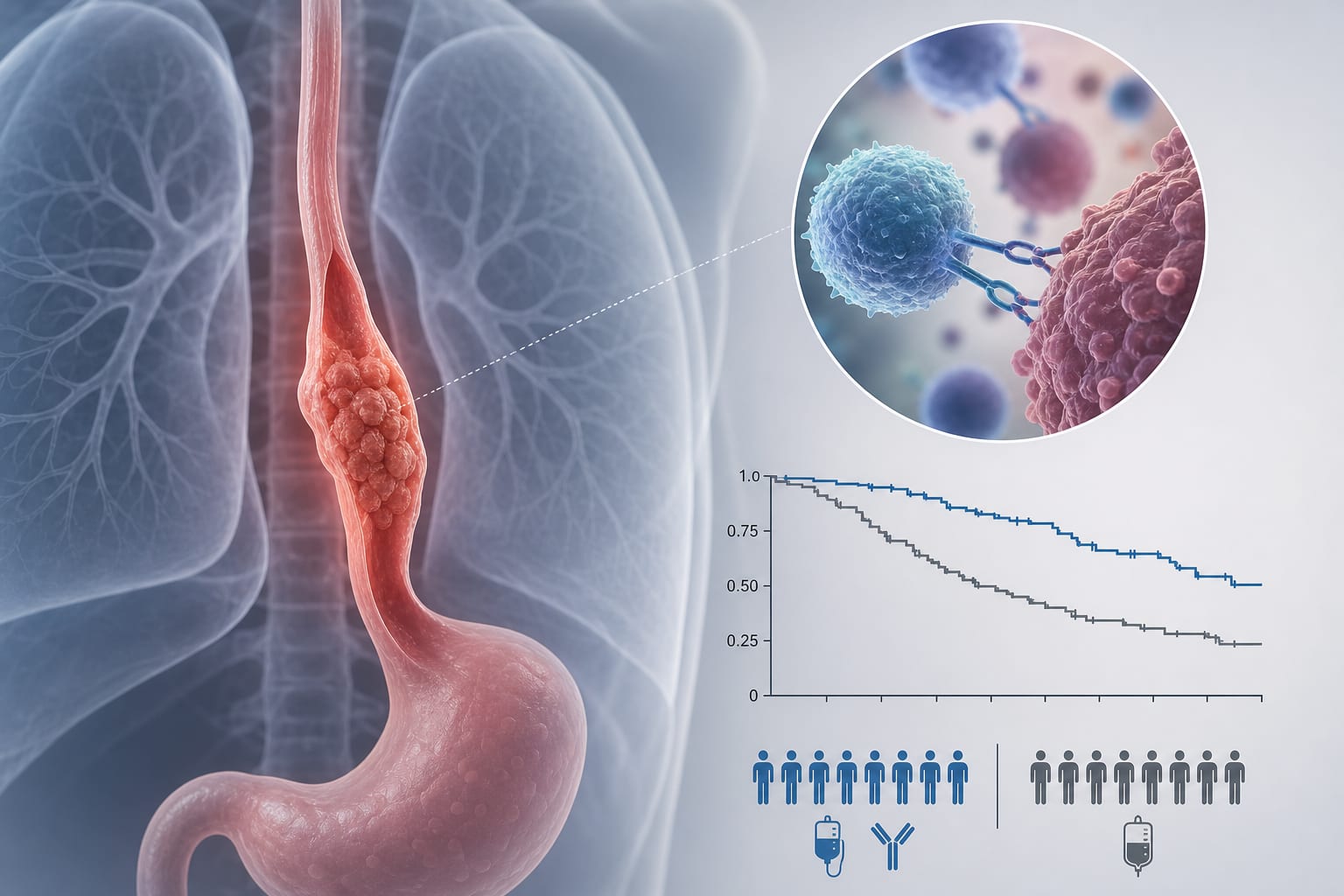
To summarize the molecular and functional landscape of NLRP12 in cancer, emphasizing its dual roles in tumor biology and context-specific mechanisms.
Approach:
Contextual Analysis: Review of NLRP12's functions across various malignancies, highlighting its role as both a tumor suppressor and promoter.
Key Findings:
NLRP12 exhibits context-dependent roles in cancer, acting as a tumor suppressor in some malignancies and a tumor promoter in others.
In inflammation-associated cancers, NLRP12 suppresses tumor progression by inhibiting noncanonical NF-κB, Wnt/β-catenin, and JNK signaling.
In gastric cancer, ovarian cancer, and glioma, NLRP12 is linked to glycolytic remodeling, lactate-associated epigenetic adaptation, aggressive clinicopathological features, and immune suppression.
Interpretation:
NLRP12 is a multifunctional signaling regulator that connects inflammatory control with oncogenic pathways, metabolism, and immune responses.
Limitations:
The complexity of NLRP12's roles necessitates further studies to fully understand its context-dependent functions in various tumor microenvironments.
Conclusion:
NLRP12's role may be redefined from a conventional innate immune regulator to a context-dependent organizer of tumor ecosystems.